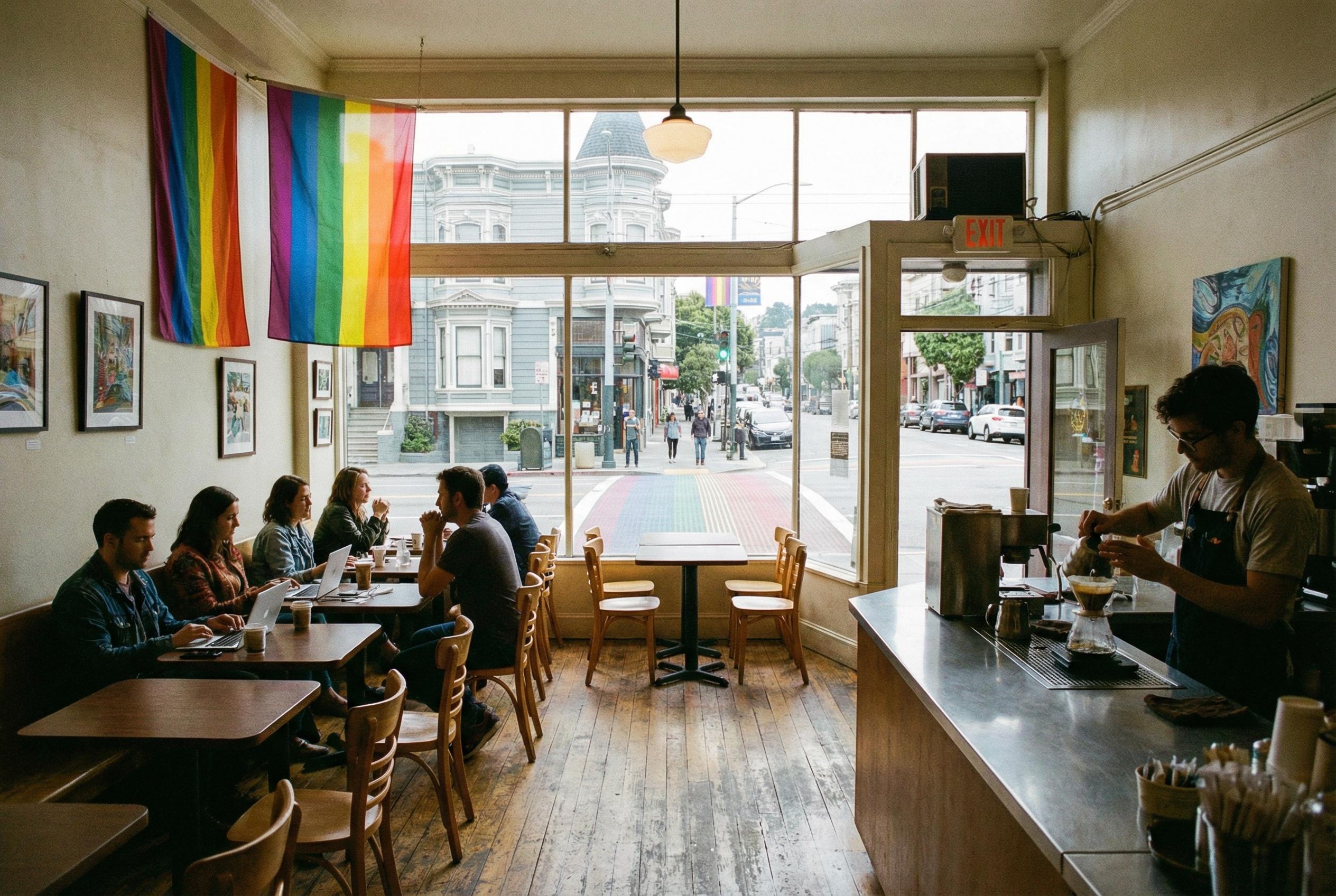
Shoppers and locals are talking after Philz Coffee confirmed plans to remove pride flags from its cafés, sparking a petition by current and former baristas and a wider debate about visibility, safety and brand consistency in San Francisco’s queer heartlands. Here’s what’s happening, why it matters and how customers can think about it.
Essential Takeaways
- What’s happening: Philz plans to remove a variety of flags and décor to create a more uniform look across stores.
- Staff pushback: An online petition started by Philz Coffee Baristas urges the company to keep pride flags as visible signals of safety and welcome.
- Local impact: The Castro location, steeped in LGBTQ+ history, is central to critics’ concerns about erasing community visibility.
- Company message: Philz’s leadership says allyship goes deeper than wall décor, but hasn’t confirmed timing or specific changes.
- Public reaction: Opinions are mixed , some see it as a neutral design choice, others as a disappointing step back.
Why a coffee shop’s flags suddenly matter to the whole neighbourhood
You notice a lot more than the espresso when you walk into the Castro Philz , a bold sign, rainbow tones on the floor and a portrait of Harvey Milk. That sensory welcome is part of what locals say makes the space feel safe and proud. When Philz announced a move toward consistent décor, it didn’t land as a neutral design memo , it touched on decades of local identity and activism. The petition by baristas frames the flags as not just decoration but practical signals that queer patrons are welcome.
What Philz says and what that message leaves out
Philz’s statement that “our allyship runs deeper than what is on our walls” aims to reframe the debate around values versus visual cues. But the company didn’t spell out which stores would lose flags or when that would happen, which adds to the uncertainty. From a PR angle, removing symbols without a clear alternative can look like erasure, even if the intent is consistency. Customers and staff want to know: will consistency mean quieter, less visible support in places where visibility once mattered most?
The petition: who’s signing and why it matters
An online petition organised by people identifying as Philz Coffee Baristas has amassed thousands of signatures and taps into a simple argument , that visible markers matter to patrons who need quick reassurance they’re entering a safe place. In urban, historic queer neighbourhoods like the Castro, the stakes feel higher. Petitions don’t always change corporate policy, but they do focus media attention and give staff a louder voice in decisions that affect local culture.
How other coffee chains and brands have handled pride displays
This isn’t the first time a coffee brand has been in the spotlight over pride decor. There have been industry-wide conversations about how to balance in-store messaging, corporate campaigns and local expression. Some chains rotate special collections or limited-run merchandise that ties visibility to concrete actions like donations. Others stick to a uniform brand look and back support with internal policy changes. For customers, the takeaway is to look at both visible symbols and what companies do behind the scenes.
Practical tips for customers, staff and local organisers
If you care about keeping visible signs of welcome: sign or share the petition, raise the issue politely with store managers and support local LGBTQ+ spaces financially and socially. If you’re a Philz regular puzzled by the change, ask staff about what the company is doing beyond décor , community partnerships, hiring practices, donations. For managers and brands, a sensible step is to pair any design shift with clear communication and localised choices that respect neighbourhood history.
It’s a small, visual change that taps into a much bigger conversation about visibility, identity and what welcome looks like in public spaces.
Source Reference Map
Story idea inspired by: [1]
Sources by paragraph: