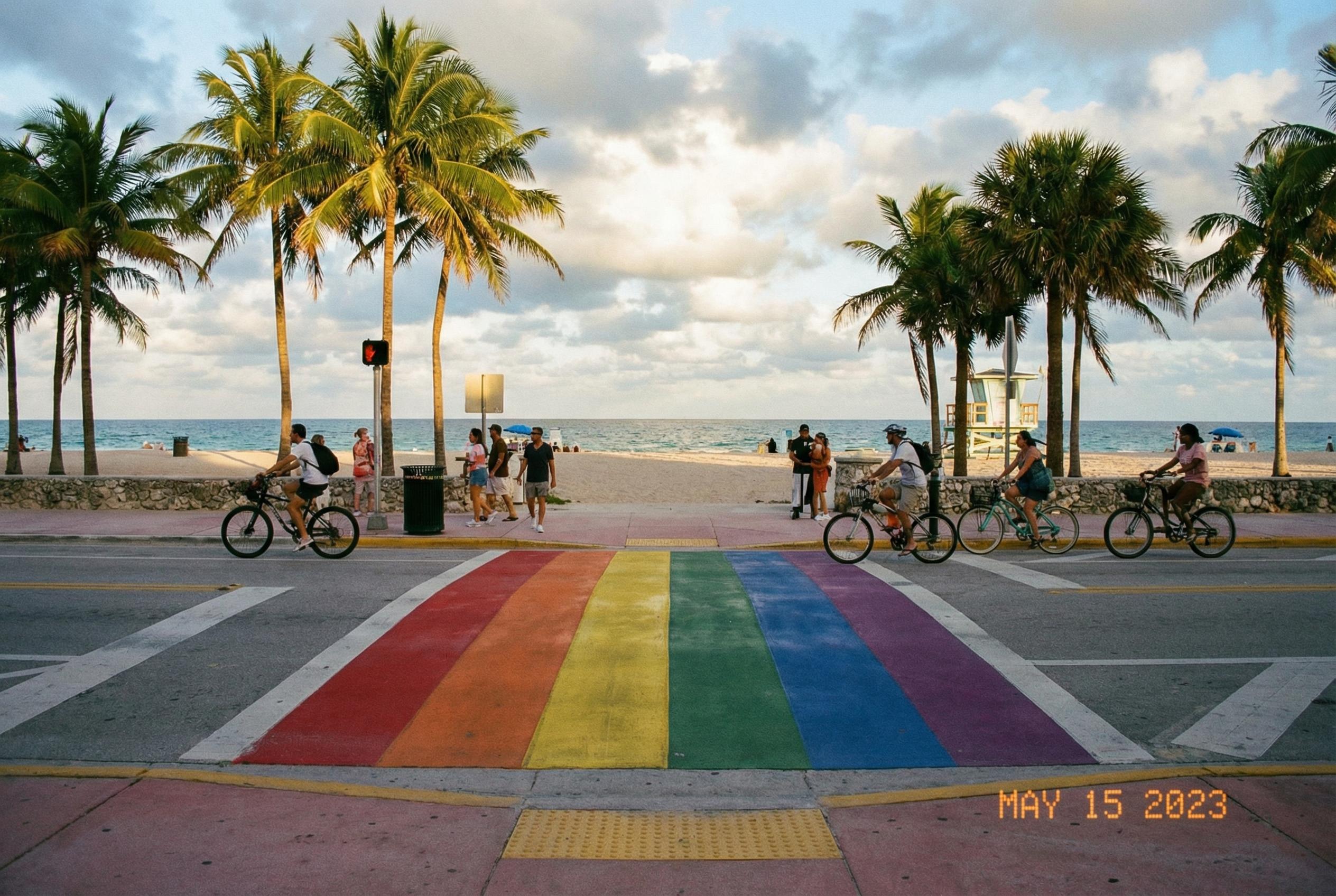
Shoppers and parade-goers are getting a colourful reminder , Miami Beach has restored its iconic rainbow crosswalk into Lummus Park, using 3,606 salvaged pavers from the street installation that the state removed last autumn. The move puts the symbol back in public view just ahead of busy Pride season, signalling resilience and community pride.
Essential Takeaways
- What happened: Miami Beach rebuilt the rainbow crosswalk in Lummus Park after the Florida Department of Transportation removed the original on Ocean Drive last October.
- How it was done: The city used 3,606 colourful pavers salvaged from the original crosswalk to recreate the design in a public park setting.
- Timing matters: The unveiling on 10 April falls during Miami Beach Pride, a 10-day festival expected to draw roughly 170,000 people.
- Why it matters: City leaders framed the move as a response to the state’s removal and a way to keep a beloved LGBTQ symbol visible and protected.
- Feel and look: The park installation is permanent-feeling and ceremonial rather than a street crossing, so it’s easy to view, photograph, and enjoy safely.
A vivid comeback: what the new installation looks and feels like
The new crosswalk sits on a stretch of Lummus Park, where visitors will spot the striping made from the original pavers , bright, tactile and reclaimed rather than freshly painted. City officials are presenting it as a public-art installation, not a functional road crossing, so it reads more like a plaza piece you can pause on and photograph. For locals and visitors who remember the original on Ocean Drive, the colours will feel familiar and a little triumphant.
Why the city moved it into a park
Miami Beach’s decision has a clear backstory: the Florida Department of Transportation removed the Ocean Drive crosswalk in an overnight operation last October, citing rules about street markings. The city says rebuilding the design in Lummus Park is a direct response, a way to restore a symbol without running afoul of state roadway rules. It’s a clever workaround , the crosswalk’s presence returns to public view while avoiding the liability of painting a street.
Pride timing: turning controversy into a festival moment
The unveiling couldn’t be more timely. Miami Beach Pride runs through early April and is expected to draw huge crowds, with the parade set for the weekend following the installation. Organisers and city leaders see the restored crosswalk as part of the Pride landscape , a photo-ready focal point and a civic statement about visibility. It’s an example of how cities can repurpose contestation into celebration.
Salvage and symbolism: why using the original pavers matters
Using 3,606 salvaged bricks gives the project extra heft. There’s a tactile continuity: each paver carries the history of the original design and the controversy around its removal. It’s also sustainable and symbolic , rather than replacing the crosswalk with a replica, the city preserved material pieces of community expression. That choice helps the installation feel authentic and rooted in local memory.
What this means for other cities and public art
Miami Beach’s approach could be a template for other places facing clashes over civic symbols. Putting contested street art into a park keeps it visible and celebratory while sidestepping regulatory barriers to altering roadways. For residents, it’s a reminder that public expression can be resilient , and that small acts, like saving and reinstalling pavers, can have outsized cultural impact.
It's a small change that can make every Pride parade feel a little more whole.
Source Reference Map
Story idea inspired by: [1]
Sources by paragraph: