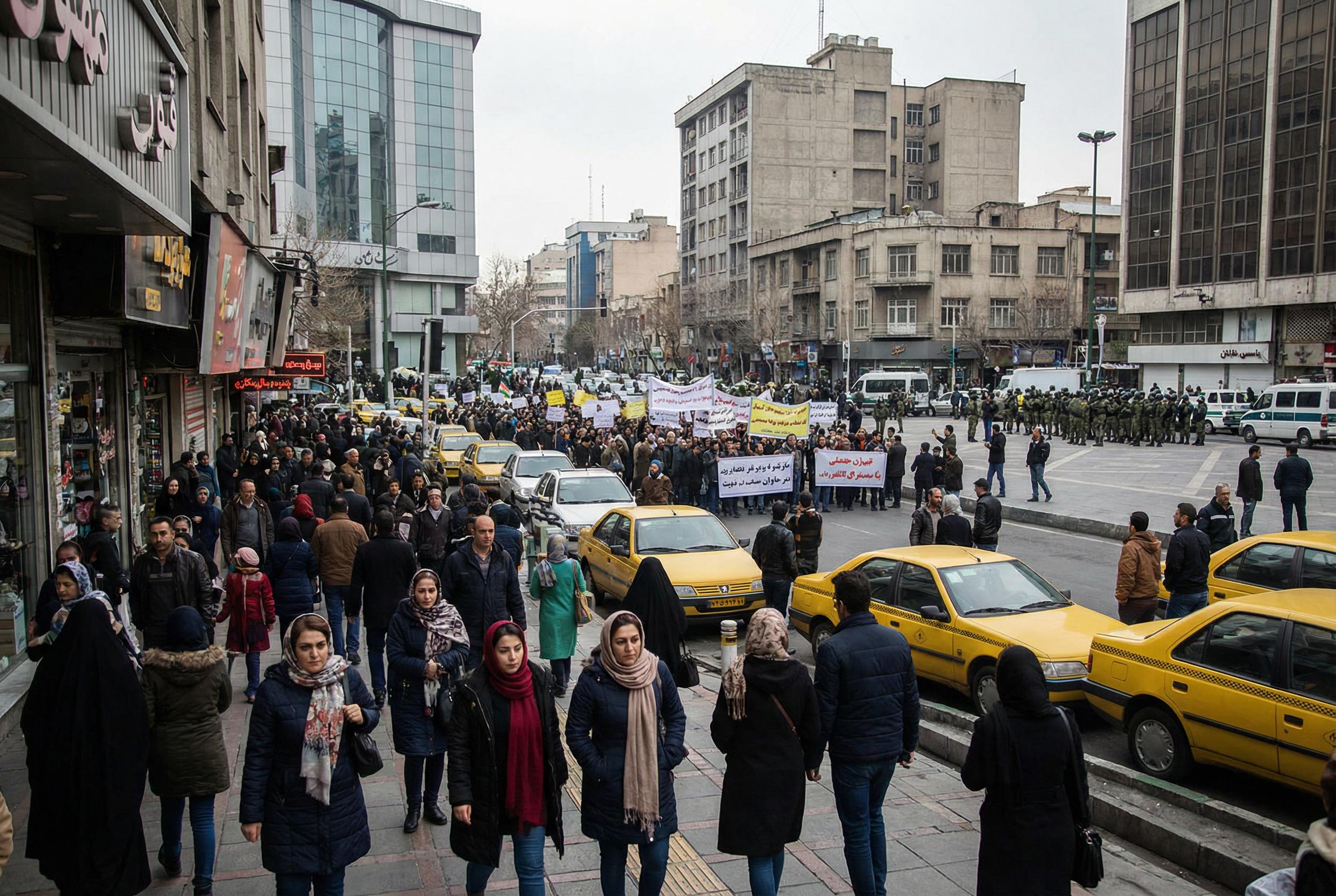
Watchers and advocates are parsing the human side of Iran’s unrest: LGBTQ Iranians are among the protesters risking everything, and their involvement matters for rights, safety and how the world responds. This piece explains who’s taking part, why it’s significant, and what supporters abroad can realistically do.
Essential Takeaways
- Visible presence: LGBTQ people have taken part in demonstrations across Iran, often openly, despite laws that criminalise same-sex relations and gender nonconformity.
- High risk: Protest participation carries elevated danger for queer Iranians , from targeted detention to harsher treatment in custody.
- Communication blackout: Internet shutdowns and phone disruptions have left activists hard to reach and incidents difficult to verify.
- Death toll disputes: Official and activist figures diverge sharply on casualties, complicating accountability and documentation.
- Practical solidarity: Digital safety guidance, legal aid networks, and principled diplomatic pressure are the most constructive international tools available.
A visible, risky presence , LGBTQ people in the streets
The strongest image from recent months is one of people showing up, sometimes with a quiet, defiant look or a handmade sign, sometimes simply by being among the crowd. According to Amnesty and human rights reporting, queer Iranians have been present in market protests and metropolitan demonstrations alike. That visibility is striking because, under Iranian law, sexual orientation and gender nonconformity can attract criminal punishment, and being seen at a protest can turn a participant into a target.
That context matters: for many LGBTQ Iranians, turning out is both a political statement and a personal hazard. Organisers and advocates have been sharing harm-reduction tips , everything from avoiding identifiable clothing to using secure messaging , because the usual safety nets are weakened by censorship and surveillance.
Why the crackdown looks different for LGBTQ people
Human Rights Watch and other groups document that authorities have used blunt force, arrests and intimidation to suppress protests, but queer detainees face a layered threat. Reports describe how disclosure of sexual or gender identity in detention can invite harsher abuse, from sexual violence to longer, more punitive treatment. That makes the cost of participation uniquely high.
Practical takeaway: activists and allies should prioritise documentation strategies that minimise exposure , for instance, encrypted reporting channels and trusted intermediaries , because once someone’s identity is revealed in custody, the consequences can escalate fast.
The numbers: a fog of competing totals
Casualty figures are contested, with state sources and independent monitors offering very different totals. PBS and other outlets cite activist counts that are substantially higher than the government’s official numbers. Meanwhile, internet blackouts and restricted media access mean independent verification is often impossible, which in turn slows legal and humanitarian responses.
What this means for families and advocates abroad is simple and painful: you may have to rely on fragmented updates, and efforts to corroborate individual cases will require patience, digital smarts, and coordination with established human-rights NGOs.
How international actors can help without causing harm
Local leaders in the diaspora and advocacy groups are clear about one thing: they oppose foreign military intervention and urge principled, rights-centred diplomacy. That matches longstanding concerns that external, heavy-handed involvement can silence domestic movements and empower reactionary narratives.
Useful, realistic actions include amplifying verified reports, pushing for targeted sanctions on officials credibly linked to abuses, supporting legal and psychosocial aid for victims, and maintaining sustained attention so queer experiences aren’t erased when headlines move on. In short: aid, not shortcuts.
What activists and supporters are doing now
Groups working with Farsi speakers and Iran-focused organisations are doing practical work , from sending digital-safety guides to using low-bandwidth ways to stay connected, to compiling lists of legal defenders who can take on urgent cases. Diaspora communities are raising funds for medical care and legal help, and activists are lobbying foreign governments to keep human-rights conditions central to any diplomatic engagement with Tehran.
The mood among many participants is a mix of exhaustion and fierce determination; advocates stress that while the path ahead is uncertain, keeping international attention on human-rights abuses is crucial to preventing erasure.
It's a small change that can make every protester’s risk a little less perilous.
Source Reference Map
Story idea inspired by: [1]
Sources by paragraph: