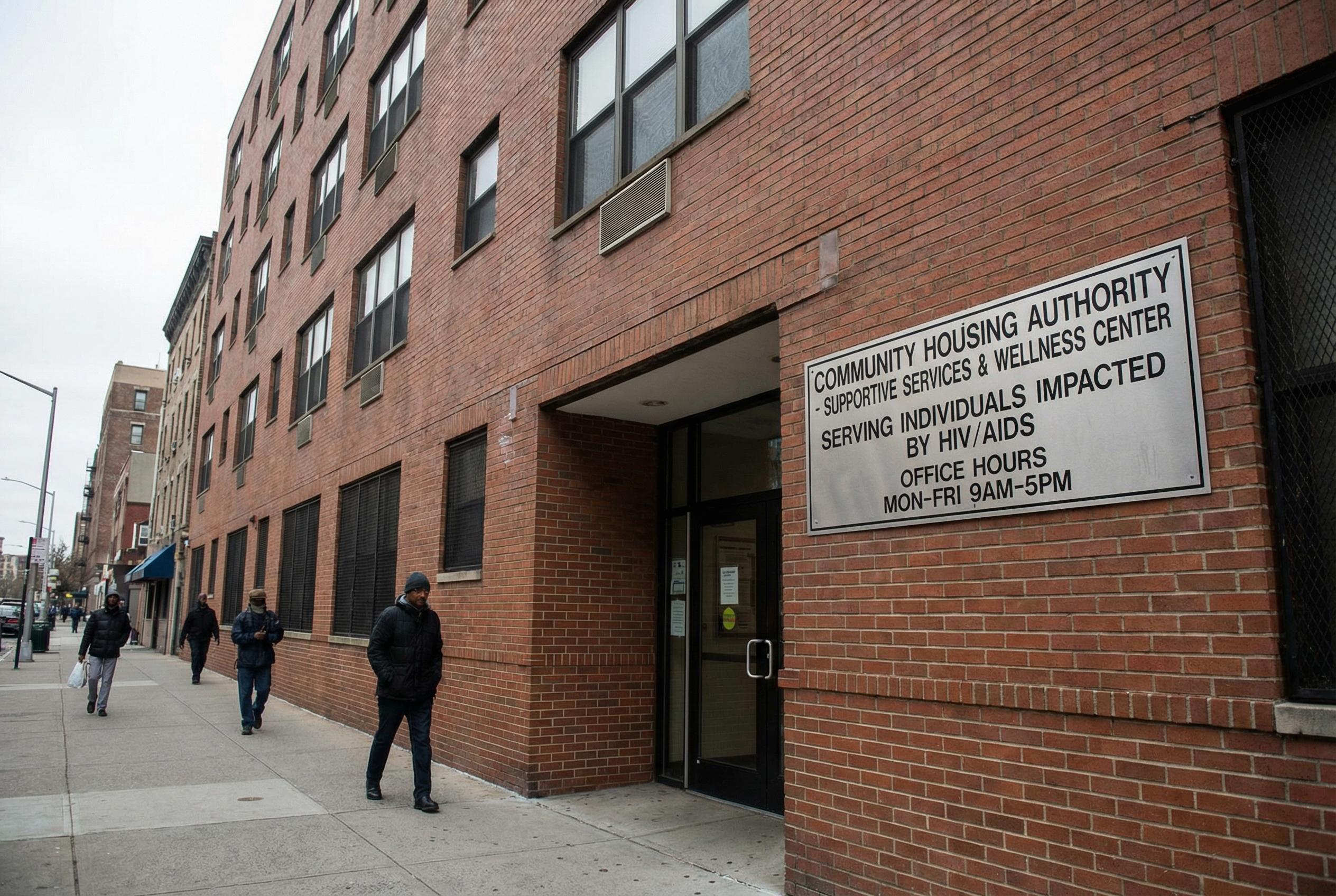
Shoppers for facts are waking up to a stark new reality: the Trump administration’s proposed Fiscal Year 2027 budget would slash dozens of programmes that serve LGBTQ+ people, from HIV prevention to transgender health care and specialised housing, and advocates say the cuts could unravel hard-won safety nets.
Essential Takeaways
- Major HIV funding cuts: The proposal seeks nearly $2 billion in reductions to HIV-specific services, including eliminating HOPWA, which helps people with HIV secure housing, leaving some very vulnerable.
- Trans health and research at risk: The budget targets NIH and AHRQ funding for gender-affirming care and trans health research, which could limit access to treatments and evidence-based care.
- Civil-rights and housing programmes targeted: The Fair Housing Initiatives Program and other anti-discrimination efforts face elimination for allegedly promoting “equity” or “identity politics.”
- Advocates warn of real-world harm: Human Rights Campaign and HIV advocacy groups say these cuts would remove lifelines, housing, prevention, counselling, for communities still coping with HIV and discrimination.
What the cuts actually mean for HIV services
The clearest, most tangible hit is to HIV funding, with the administration proposing almost $2 billion in cuts and the outright elimination of the Housing Opportunities for Persons with AIDS (HOPWA) programme. That’s a programme many public-health professionals see as more than a line item; it stabilises people so they can stay in care and keep their viral loads low.
HOPWA isn’t glamourous, but it’s practical: a roof, a support worker, a route back to stability. According to advocacy groups, removing it risks higher homelessness, interrupted treatment, and ultimately worse public-health outcomes. If your local clinic relies on HOPWA referrals, expect strain.
Why transgender health and research are on the chopping block
The proposal singles out agencies that support gender-affirming care and targeted research, including an AHRQ-funded telehealth project aimed at improving access for BIPOC and rural gender-diverse youth. In plain terms, funding that helps young trans people access specialists remotely would be cut back or eliminated.
That matters because research and care funding build the evidence base clinicians use to treat trans patients safely. Without it, providers and patients could face greater uncertainty and fewer resources, especially in parts of the country with no nearby specialists.
Housing and civil-rights programmes framed as “woke” , policy, not rhetoric
The budget language repeatedly frames programmes that centre equity or serve marginalised groups as partisan or “woke,” citing examples of grants to community organisations that offer culturally responsive services or targeted outreach. Programs such as the Fair Housing Initiatives Program are called out for funding groups that prioritise equity or limited-English-proficiency populations.
Cutting these programmes is being sold as fiscal discipline by officials, but advocates argue it dismantles the infrastructure that enforces anti-discrimination rules and helps people find safe housing. Practically, fewer investigations, fewer outreach efforts, and reduced legal support mean victims of housing discrimination will have a harder time getting remedies.
Broader health-research and service fallout
Beyond HIV and trans care, the proposal aims to reduce NIH funding for projects prioritising LGBTQ+ health and cut behavioural-health grants connected to these communities. Public-health organisations warn that scaling back prevention and research could reverse hard-won progress on infection control and mental-health support.
Observers note that policy choices ripple: fewer prevention programmes can mean higher long-term costs and worse outcomes. So while the budget frames these as savings, health advocates point to likely increased strain on emergency services and community clinics.
What advocates are saying and what to watch next
Human Rights Campaign leaders and HIV advocacy groups have condemned the budget as an ideological assault that will have concrete human consequences, arguing the cuts prioritise political messaging over people’s lives. Expect legal challenges, lobbying efforts, and a fierce battle as Congress reviews appropriations.
If you’re worried about local impacts, contact your congressional representatives, support clinics and community centres that serve LGBTQ+ people, and check whether local organisations have contingency plans. Follow developments closely: proposed budgets rarely pass unchanged, but they signal priorities and direction.
It's a small change in paperwork that could make every programme people rely on a lot less dependable.
Source Reference Map
Story idea inspired by: [1]
Sources by paragraph: