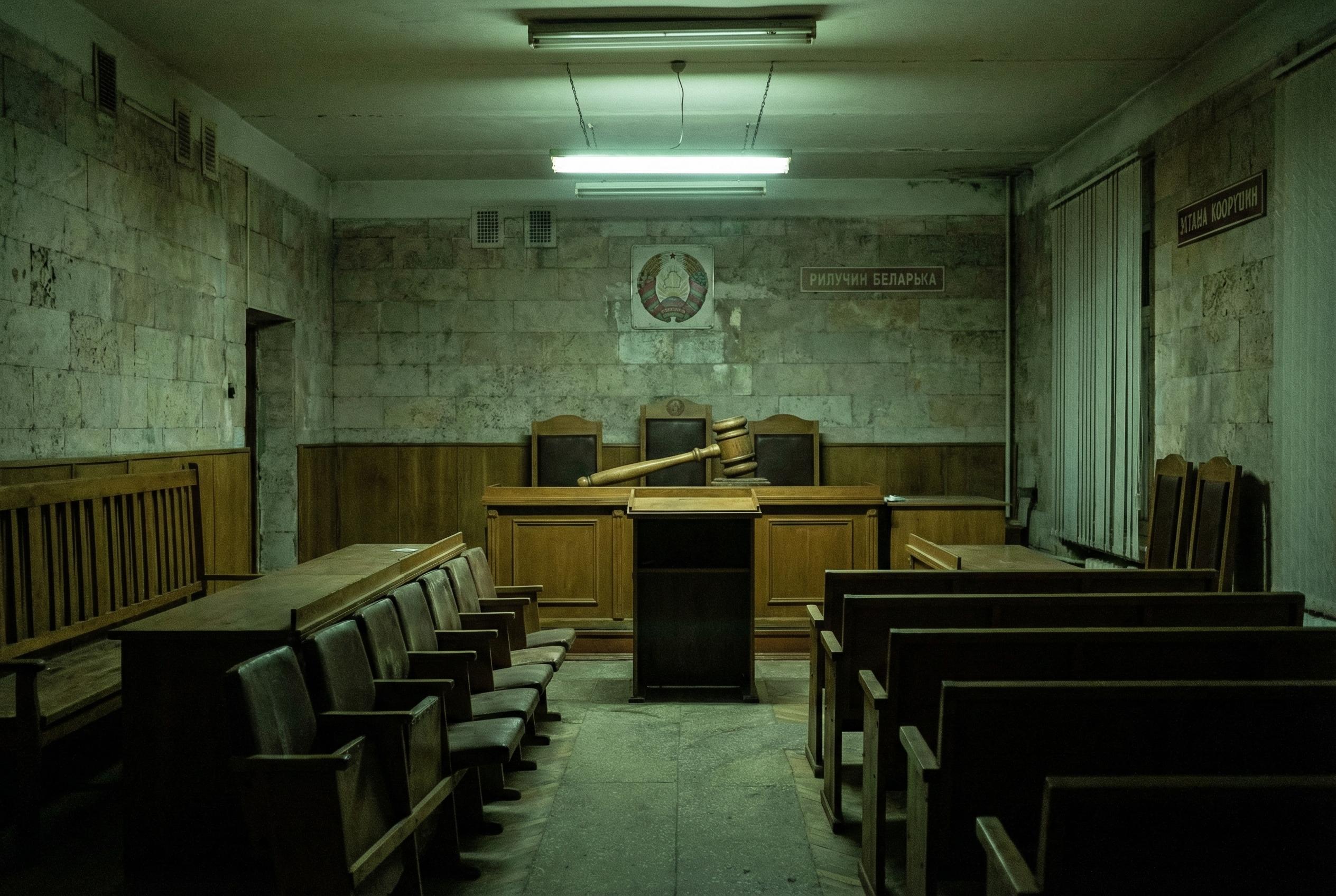
Shocking many observers, Belarus’s parliament has approved a law criminalising what it calls “propaganda” of LGBTQ+ relationships, gender transition and even childfree choices; the measure now heads to President Lukashenko and could deepen a regional rollback of rights that matters for asylum seekers, activists and neighbouring democracies.
Essential Takeaways
- New law scope: Criminalises promotion of same-sex relationships, sex change, childfree lifestyles and allegedly related concepts, with fines, community service or arrests.
- Expected sign-off: The bill moves to President Alexander Lukashenko, who is widely expected to approve it.
- Pattern with Russia: Belarus’s move closely mirrors Russia’s recent legal trajectory on LGBTQ+ issues, including previous “propaganda” bans and tighter restrictions.
- Human impact: Rights groups warn of arrests, forced exile and increased abuse , activists in Belarus have already faced detentions and mistreatment.
- Practical consequence: The law will likely increase pressure on shelters, NGOs and asylum systems in Europe handling Belarusian cases.
What exactly did Belarus pass, and who will it affect?
Parliament approved a wide-ranging bill that criminalises what officials call advocacy or promotion of LGBTQ+ relationships, gender-affirming care, and other personal choices such as being childfree. The penalties listed include fines, community service and possible short-term arrest. For ordinary people this means social media posts, educational talks, Pride events or even some organisational work could be treated as crimes, depending on how authorities interpret the law. Human-rights groups say the immediate victims will be activists, educators and visible community members, but the chill will reach anyone seen as sympathetic.
According to coverage in regional outlets and human-rights trackers, this law mirrors steps taken in Moscow and around Russia over the past several years. That trend has often translated into raids, fines for bookstores and online platforms, and criminal cases against organisers or content creators. For Belarus, the law will likely be enforced selectively and harshly, putting already vulnerable people at risk of detention or having to flee.
Why this feels like a replay of Russia’s playbook
Belarus’s timing and the law’s language echo Moscow’s “propaganda” bans and the later measures that banned gender-affirming surgery and labelled LGBTQ+ movements with criminalising tags. Observers note that Belarus drafted the bill last year, and its cultural ministry had already classified non-heteronormative identities alongside severely stigmatized behaviours. That bureaucratic framing laid the groundwork for criminal legislation. The legal copycatting matters because it signals not a national debate but a regional coordination of restrictive policy, with consequences spilling across borders for civil society and asylum flows.
For activists and lawyers, the important detail is that such laws aren’t only symbolic; they create new legal tools , fines, administrative charges, even criminal records , that can be used to silence dissent and limit service provision. Expect NGOs and advocacy groups across Europe to cite this development when arguing for asylum or protection claims from Belarusian nationals.
What this means on the ground for LGBTQ+ people and services
People who are out, those seeking gender-affirming care, and organisations that support them face immediate practical problems. Clinics, community centres and volunteer networks could be shut down or forced to go underground. Individuals may self-censor or leave the country, as happened after earlier detentions in Belarus. Reports from recent years document arrests, beatings and forced displacement; this law raises the legal stakes for those abuses.
If you’re advising friends or clients from Belarus, practical steps include documenting any harassment, seeking legal counsel promptly, and exploring temporary relocation or asylum routes while the situation stabilises. European human-rights bodies and NGOs will probably prioritise cases that cite imminent risk under the new law.
How governments and rights groups are likely to react
International organisations, rights advocates and some European governments have been vocal about similar moves elsewhere, and they’re expected to condemn Belarus’s law. That public pressure can help spotlight abuses and support asylum claims, but it’s rarely enough to change immediate enforcement on the ground. Diplomacy, sanctions or focused funding for civil-society groups are the usual levers; activists will also push for documentation and emergency support for those targeted.
For European services processing asylum and humanitarian claims, the new law strengthens arguments for recognising persecution based on sexual orientation or gender identity. NGOs will likely increase outreach to Belarusian communities, but they’ll also face legal and security risks assisting people inside Belarus.
Why this matters beyond Belarus , and what to watch next
This law is a clear sign of a broader regression in parts of Europe and Eurasia, where authoritarian governments use culture-war framing to consolidate control. The measure could embolden similar bills elsewhere and make cross-border repression easier, especially when countries borrow legal templates from one another. The next steps to watch are whether Lukashenko signs the bill, how courts interpret vague terms, and whether enforcement escalates into systematic crackdowns or remains performative.
If you’re following the story, keep an eye on reporting from human-rights organisations and European asylum decisions that reference the law; they’ll give the best early read on its real-world impact.
It's a small legal change with big human costs , keep an eye on developments and support credible help for those affected.
Source Reference Map
Story idea inspired by: [1]
Sources by paragraph: