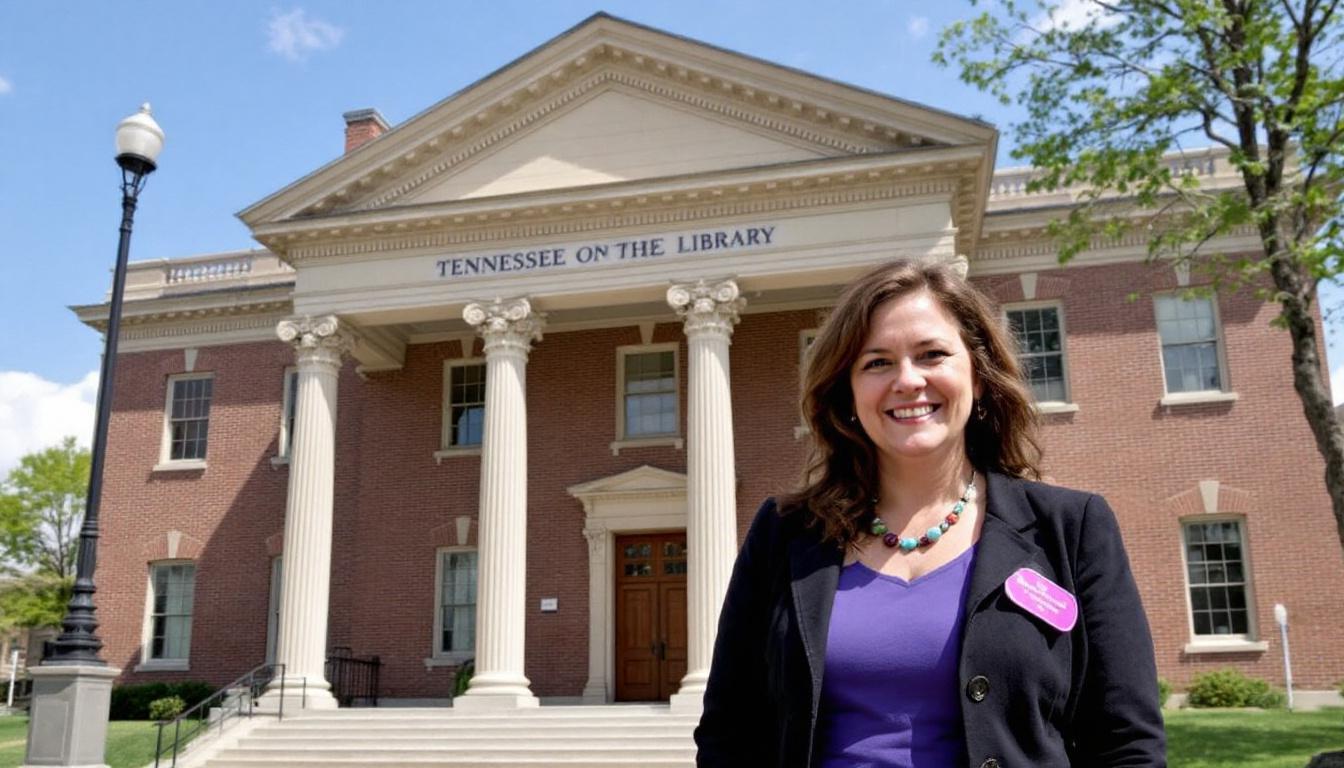
Shoppers and neighbours are pitching in: a GoFundMe for a Tennessee librarian fired after refusing to move LGBTQ+ books from the children’s section has surged, signalling how local resistance, privacy worries and free‑speech concerns are colliding in small towns.
- Quick result: The fundraiser surpassed six figures within days, signalling broad grassroots support and many small donors.
- What happened: The librarian refused an order to relocate about 132 children’s books with LGBTQ+ themes, citing professional ethics and the First Amendment.
- Privacy alarm: Board direction to collect patron checkout data raised fears about surveillance and confidentiality.
- Practical note: Most donations were small, under £80, showing widespread, retail‑style backing rather than a few large benefactors.
Why the fundraiser climbed so fast
The most striking detail is the speed: community donations swelled into five figures almost immediately, turning a local personnel fight into a visible display of public sentiment. The GoFundMe frames the fired director as an experienced librarian who poured decades into expanding access and securing millions in grants, which makes the case emotionally resonant. People give to causes they can picture , a familiar face defending books , and that image fuels fast sharing and small contributions.
What the librarian said and why it matters
She told local reporters she felt “ethically bound” to refuse the order, arguing the relocation would amount to viewpoint discrimination and a violation of patrons’ right to information. According to regional coverage, she also warned in writing that obeying the directive would breach constitutional protections. That sort of principled stand is rare and dramatic; it’s the kind of thing that galvanises both professional peers and the wider public who worry about censorship.
The privacy concern that sharpened public anger
Board members reportedly asked for lists of patrons who checked out the books, including names, addresses and household info. That request touched off a second, separate alarm: even if books are moved, compiling borrower data feels intrusive and potentially dangerous. Librarians and privacy advocates treat borrower confidentiality as foundational, so the mere suggestion of tracking readers escalated the issue from a cataloguing quarrel into a debate about surveillance and trust.
This fits into a bigger political pattern
The dispute didn’t happen in a vacuum. Local actions echo broader state‑level measures that have targeted LGBTQ+ content and policies, from restrictions on gender‑affirming access to debates over school pronouns. Coverage from national outlets places the firing alongside a yearslong wave of measures aiming to police education and public institutions. For readers, that means the incident is as much political theatre as it is about library stacks.
How to read the fundraising numbers and what they mean
Most gifts were modest , under £80 , with a sprinkling of larger donations. That pattern suggests deep, distributed support rather than a few anchors carrying the campaign, which can be more durable and harder to dismiss. For anyone thinking of backing a similar cause: small recurring donations and local fundraising events often matter more practically than a single headline‑grabbing cheque.
It's a reminder that local actions still ripple widely; community support can turn a dismissal into a story people notice.
Source Reference Map
Story idea inspired by: [1]
Sources by paragraph: