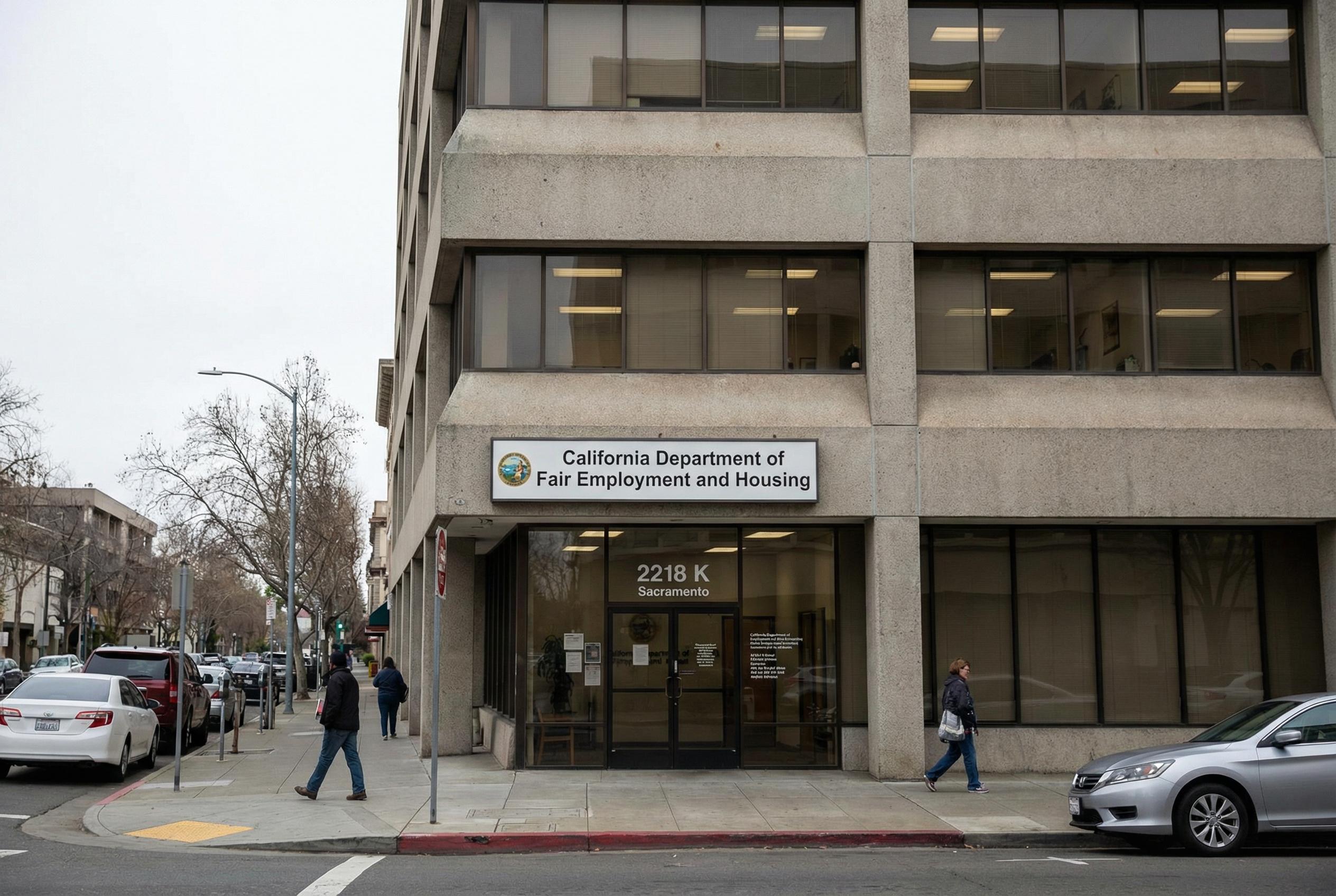
Shoppers of justice and concerned employees are turning to clear California rules: FEHA has offered strong sexual orientation protections since 1992, and they matter for hiring, pay, promotion and firing , here’s what you need to know, how to spot subtle discrimination, and when to act.
Essential Takeaways
- Broad coverage: FEHA bars discrimination based on actual or perceived sexual orientation in every employment stage , hiring, pay, assignments, promotion, discipline and firing.
- Stronger than federal: California’s substantial motivating factor standard makes FEHA easier for plaintiffs than the federal but-for standard under Title VII after Bostock.
- Multiple remedies: FEHA offers back pay, front pay, uncapped punitive damages in some cases, emotional distress awards and attorneys’ fees.
- Filing windows differ: You have three years to file with the California Civil Rights Department and 300 days for an EEOC charge; cross-filing usually preserves both avenues.
- Common signs: Look for patterns , passed-over hires, stalled promotions, pay gaps, or sudden negative reviews after disclosure , these often reveal discriminatory motives.
Why FEHA still matters even after Bostock
FEHA’s protection for sexual orientation predates the U.S. Supreme Court’s Bostock decision and remains the go-to statute for many California employees because it’s broader and more forgiving to claimants. California employers can’t rely on federal minimums to avoid state liability; FEHA’s reach extends across the workplace and to perceived orientations too, which is important if an employer acts on assumptions rather than facts. According to labour-law guides, that state-level layer includes more favourable causation rules and often stronger damages, so it’s a practical advantage for employees thinking about legal options.
Spotting subtle discrimination , the everyday patterns
Discrimination is rarely spelled out in a memo. Instead, it shows up as patterns: the well-qualified LGBTQ+ candidate who’s told “not a culture fit”, the star employee repeatedly skipped for promotion, or colleagues paid noticeably less. Legal sites that explain employment discrimination note these recurring signals and recommend collecting documents , performance reviews, emails, assignment records , that reveal who gets which opportunities. If you notice repeated disparities that line up with sexual orientation, that pattern is often the strongest evidence.
How California’s causation standard helps your claim
FEHA applies the substantial motivating factor standard, which means you don’t have to prove sexual orientation was the only reason for an adverse decision , only that it played a meaningful role. That contrasts with the federal but-for test adopted after Bostock, where an employee must show the action wouldn’t have occurred “but for” the protected trait. In mixed-motive scenarios , say, a genuine performance concern plus discriminatory bias , FEHA’s rule preserves liability even if the employer points to other reasons. Practically, that makes it easier to hold employers accountable when bias is one of several influences.
Common employer defences , and why they can fall short
Employers often cite performance problems, business restructuring, or client preference to justify adverse actions. But courts and labour-law commentators look for supporting evidence: consistent documentation of poor performance, neutral selection processes in restructures, or legitimate business necessity. California law doesn’t allow customer discomfort to justify discrimination based on sexual orientation, so claims that “clients won’t like it” generally fail as a defence. When the timing of adverse actions matches disclosure or internal comments surface, those defences become harder to sustain.
Remedies, process and practical next steps
FEHA offers a full suite of remedies , lost wages, lost benefits, front pay, emotional distress and potentially punitive damages and attorneys’ fees. Start by documenting everything: dates, conversations, messages, performance records and coworkers who might corroborate your account. File with the California Civil Rights Department within three years; that filing often triggers cross-filing with the EEOC, which uses a shorter 300-day deadline for federal claims. Speak to a vetted employment attorney early , they can request a right-to-sue notice, preserve evidence, and explain whether FEHA or Title VII gives you the strongest path. If you work for a very small employer, remember the federal layer may still apply depending on employer size.
It's a small change that can make every workplace safer and fairer for LGBTQ+ employees.
Source Reference Map
Story idea inspired by: [1]
Sources by paragraph: