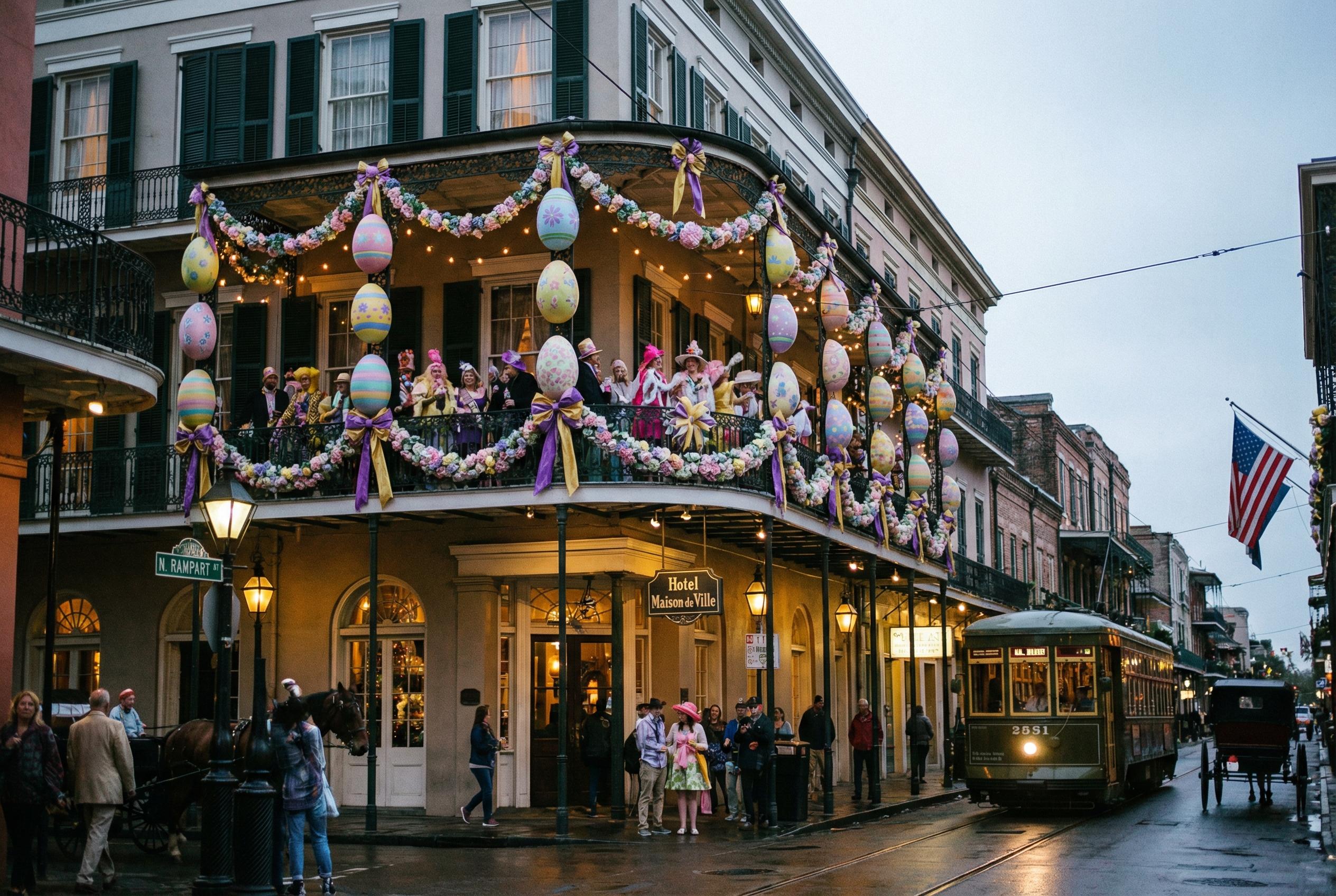
Celebrate: New Orleanians and visitors gathered in the French Quarter for the 25th Gay Easter Parade, a colourful, family-friendly mix of pride, fashion and pageantry that proves small traditions can still spark big joy. It matters because the event showcases LGBTQ+ creativity and community, welcoming anyone who wants to join the fun.
Essential Takeaways
- Anniversary milestone: The Gay Easter Parade marked its 25th year in the French Quarter, maintaining a quarter-century tradition.
- Rain or shine: The parade runs regardless of weather, keeping the revelry going through storms or sun.
- Open and inclusive: Organisers and participants stress that everyone is welcome, whether or not they identify as LGBTQ+.
- Fashion-forward spectacle: Costumes, drag, and themed groups like The Merry Antoinettes drive the parade’s theatrical, stylish atmosphere.
- Community focus: Local groups, including advocates for LGBTQ elders, use the parade to celebrate visibility and connection.
A quarter-century of sequins and spirit
The strongest fact is simple: this year’s parade celebrated 25 years of rolling through the French Quarter, and it still looks great. The crowd might be soggy some years, but the costumes stay crisp and the energy remains high. According to organiser materials, the route traditionally begins and ends at Rampart and St. Ann streets, making a compact loop that keeps the action tight and lively. For visitors, that means easy access to the best views and atmosphere without trekking the whole city.
Why the event matters beyond a fun afternoon
This is more than spectacle; it's a community ritual. Participants and board members say the parade is an occasion to feel seen and supported in public. Groups tied to elder advocacy and local queer organisations often use the moment for visibility and fundraising, which gives the event a social mission alongside the sparkle. If you care about culture and connection, that blend of party and purpose is part of the parade’s lasting appeal.
What to expect: fashion, flair and friendly faces
Expect a feast for the eyes , drag, themed floats, and elaborate costumes dominate. Parade crews like The Merry Antoinettes bring theatricality, while local clubs and advocates add heart. The soundscape is as important as the visuals: clapping, music and banter float up from the crowd. For first-timers, tip: arrive early for a good spot and bring a light waterproof layer; the parade famously goes on rain or shine.
Who can join, and how to take part
Organisers emphasise inclusivity: you don’t have to identify as LGBTQ+ to participate or spectate. That openness means families, tourists and locals mix freely, creating a safe but celebratory vibe. If you want to join a walking group or perform, check the official parade website for registration details and guidelines on costume safety and route logistics. Community groups often offer volunteer slots, so it’s an easy way to be part of the production without a float.
Looking ahead: small tradition, big cultural footprint
After 25 years, the Gay Easter Parade feels both rooted and refreshingly adaptable. It’s a reminder that local traditions can grow into meaningful community markers, drawing visitors and spotlighting local advocacy. Expect organisers to keep balancing spectacle with inclusivity, and for the parade to remain a highlight of New Orleans’ spring calendar.
It's a small change that can make every parade-goer feel a bit more seen.
Source Reference Map
Story idea inspired by: [1]
Sources by paragraph: