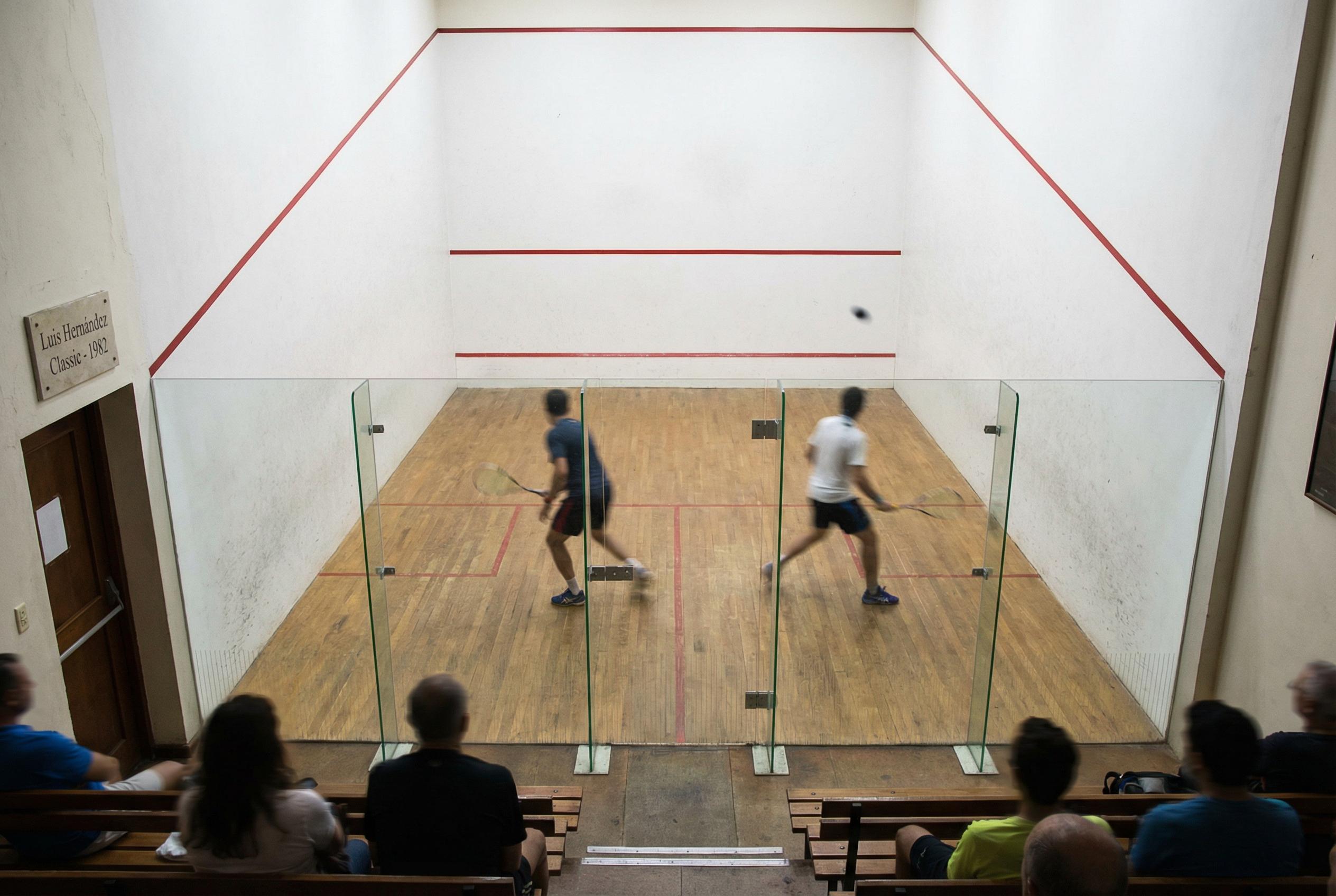
Shining a light on a young Mexican athlete who used squash as shelter and strength, Luis Hernández’s story shows why being out in sport still matters , for mental health, for family ties, and for changing how teammates, clubs and communities respond.
- Tough start: Luis faced sustained school and club bullying for not being “man enough,” yet kept playing squash from age eight to find calm and focus.
- Sport as refuge: Grabbing a racket quieted his anxiety attacks and helped him train through national junior competitions; the game felt intimate and grounding.
- Coming out arc: He told his family at 15, met resistance from his mother but support from his father and sisters, and publicly came out after Pulse, which shifted how others treated him.
- Everyday courage: Wearing an Outsports bracelet and living openly with his partner brought pride and peace; he now wants to help others in Mexico feel safe in sport.
- Practical note: For athletes struggling with anxiety, simple rituals , a familiar court, a warm-up routine, a trusted person , can make a big difference.
A racket, a routine and a quiet place to breathe
Luis’s opening image is tactile and immediate: a racket in hand that makes the rest of the world recede. That sensory escape matters because he lived with anxiety and depression for years, and sport became the reliable anchor. According to his account, every time panic cropped up he hit the ball until it eased; that’s a form of self-care many athletes recognise.
Behind that refuge was hard-won athletic progress. He competed on his city’s junior team from 2008 to 2016 and collected medals at national events. Those results show why organised sport can both demand and deliver structure at a tumultuous moment in life.
Bullied at school and the squash club , the sting of “machismo”
Growing up gay in Mexico, Luis writes, meant navigating “machismo” and relentless teasing. Teammates used slurs and even told him to die; four junior teammates sent a letter urging suicide. Yet he forgave them quickly, preferring the company of flawed friendships to isolation. That choice underlines a sad trade-off many young people make to avoid being alone.
Situations like this echo wider patterns. As recent features in larger outlets have shown, cultural norms in sports and entertainment in Mexico can be brutally exclusionary , though there are shifts, too. For parents and coaches, Luis’s story is a reminder: early intervention, clear anti-bullying rules and mentorship can change a young athlete’s path.
Family friction, then a fragile acceptance
Coming out to family at 15 was a pivotal scene. Luis remembers his mother’s pain and the agony of feeling she was disappointed, while his father offered a consoling hug and his sisters were immediately supportive. That mixed reaction is common and often evolves; Luis says his mum’s fear faded as she saw him unbothered by others’ opinions.
If you’re advising a young person planning to come out, choose a calm moment, expect mixed reactions and line up support from friends or allies. Families often need time to reframe expectations, and small gestures of love , a hug, a conversation , matter far more than dramatic statements.
Pulse changed the script , public declaration, private relief
The Pulse nightclub shooting in 2016 was a trigger that led Luis to post a proud message online and step into a public version of himself. After that, former bullies fell silent or apologised, and he forgave them. Public visibility can carry risk but, in his case, it also brought consolation, messages of love and a new sense of ease.
Out athletes and advocates often point to visibility as a double-edged sword: it can invite support and spotlight, but it can also expose vulnerability. Luis’s experience suggests that for some, the relief of being seen outweighs the risk.
Why his story still matters in sport and culture
Luis wants more Mexicans to try squash and more teams to make sport safer for LGBTQ players. His plea is practical: create welcoming clubs, teach kids respect, and give athletes language to cope with mental-health struggles. The cultural shift is slow, but individual stories like his chip away at silence and stigma.
Looking ahead, the mix of grassroots sport, family conversations and public allyship will keep nudging things forward. For readers, Luis’s note is simple and striking: don’t give up , peace and pride can come, one match at a time.
It's a small change that can make every match safer and every athlete freer.
Source Reference Map
Story idea inspired by: [1]
Sources by paragraph: