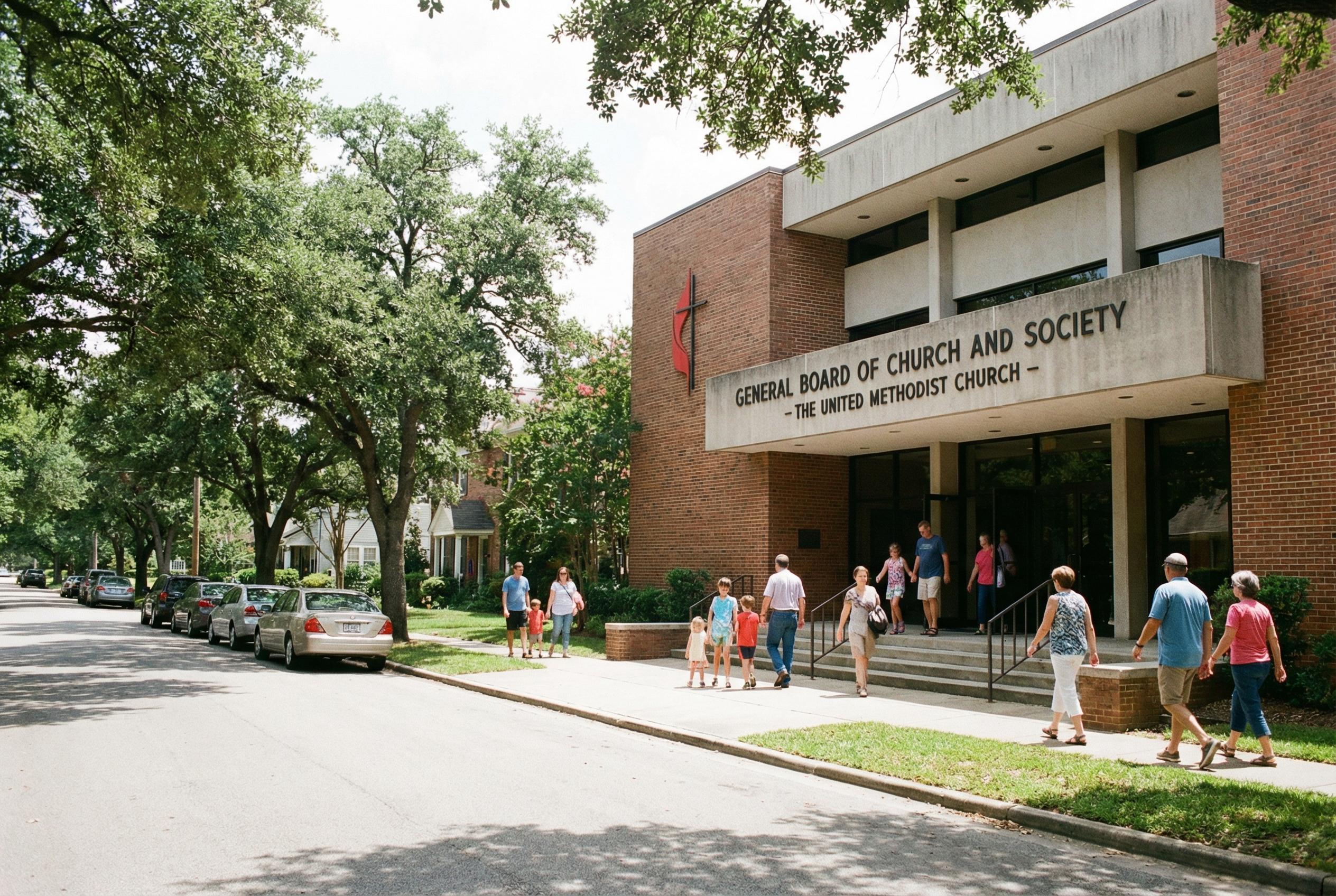
Shoppers of conscience and faith communities are taking notice as the United Methodist Church publicly reaffirms unequivocal support for LGBTQ+ rights and gender inclusivity, a move that matters for congregations, transgender people and anyone following the shifting landscape of religion and civil rights.
Essential Takeaways
- Clear position: The church’s General Board of Church and Society issued a firm endorsement of transgender and nonbinary protections, rooted in its Book of Discipline.
- Human impact: Leaders highlighted real harms , bullying, violence and barriers to healthcare , that disproportionately affect transgender youth and adults.
- Policy concern: The statement criticises federal rollbacks and restrictive state laws that limit gender-affirming care and access to resources.
- Local action: Congregations are urged to build safe, welcoming spaces; practical steps include inclusive language, policies and pastoral support.
A decisive statement with a human voice
The United Methodist Church didn’t couch its message in courtesy , its General Board of Church and Society reaffirmed what it called “unequivocal” support for gender inclusivity, and that feels important at a time when headlines are full of rollbacks and bitter legislative fights. The statement points to the denomination’s Book of Discipline as the theological and moral backbone for the stance, signalling that this is more than a momentary policy note. For people directly affected, that tone offers tangible moral backing and, for congregations, a nudge to translate principle into practice.
Why leaders singled out transgender youth
Church leaders emphasised the acute risks facing transgender young people: bullying, social exclusion and threats to safety in schools and communities. Those are not abstract worries , they shape mental health, educational outcomes, and families’ daily lives. Citing research from university human-rights groups, the denomination framed its advocacy as both pastoral care and social justice work. For parents and youth ministers, the practical takeaway is clear: proactive inclusion and visible support can change a child’s daily experience.
The policy battleground that matters to congregations
The church also addressed the political picture, warning against a patchwork of state-level restrictions and federal rollbacks that limit gender-affirming care and public access to supportive services. That matters to faith groups because laws shape what congregations can do for members in need, and because religious organisations are often on the front line of community support. The message is both a critique and a call to action: oppose discriminatory policies, and lobby for protections that keep people safe.
What congregations can do this week
Practical steps were part of the appeal. Churches were encouraged to create intentionally inclusive environments , think gender-neutral language in liturgy, clear anti-harassment policies, and staff training on respectful care. It’s simple but powerful: a welcome sign, a non-judgmental pastoral conversation, or a directory of affirming local services can make a measurable difference. For smaller congregations wary of controversy, the statement suggests framing inclusion as faithful hospitality rather than politics.
How this fits in a changing denominational map
This endorsement arrives against a backdrop of schisms and disaffiliations within the United Methodist family, where thousands of congregations have left or considered leaving over LGBTQ+ issues in recent years. The church’s public reaffirmation is therefore both an internal compass and a public stance , a way to say who the denomination wants to be even as some members depart. Expect the conversation to continue, and for churches of all sizes to reckon with what inclusion looks like on the ground.
It's a small change that can make every welcome feel a little more genuine.
Source Reference Map
Story idea inspired by: [1]
Sources by paragraph: