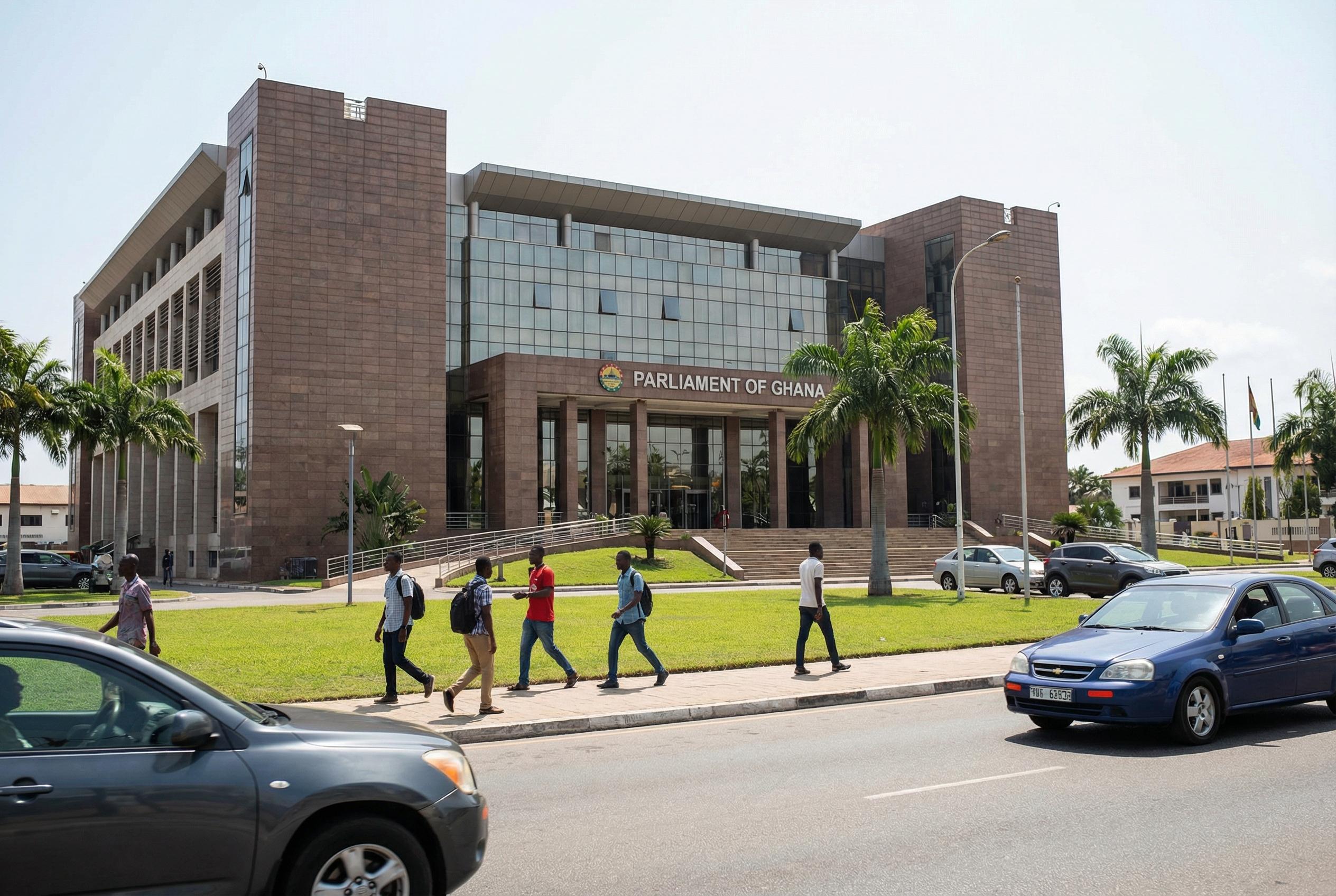
Watch for a chilling shift: governments in Ghana and Senegal are tightening punishments and criminalising support for LGBTQ+ people, and it's already reverberating through health services, community trust and HIV prevention across the region. This matters for rights, care and disease control.
Essential Takeaways
- Harsher sentences: Senegal and Ghana are moving to significantly increase prison terms for same-sex relations, creating fear and insecurity.
- Support becomes criminal: New rules target “promotion” or advocacy, putting NGOs, health workers and community leaders at legal risk.
- Health services hit: HIV testing and treatment uptake is falling where arrests and criminalisation rise, undermining years of progress.
- Community impact: Mandatory reporting and bans on organisations deepen stigma, push people into hiding and make outreach far harder.
- Practical worry: If people avoid clinics, outbreaks go undetected and treatments are interrupted , with real consequences for individuals and public health.
What changed, and why it feels so urgent
Senegal’s government has moved to double the maximum prison term for consensual same-sex relations and to criminalise the “apology” or “promotion” of homosexuality, a change that reaches beyond individuals to anyone offering support. In Ghana, Parliament has revived a sweeping bill that would criminalise identity, expression and association, and even compel citizens to report suspected LGBTQ+ people. Those are legal shifts with immediate, human effects: people report avoiding clinics, activists are being arrested, and the fear is tangible.
This isn’t abstract lawyering , it alters everyday decisions. According to reporting, clinics have seen drops in HIV tests and people on treatment are less likely to pick up medication when the risk of exposure feels real. For health workers and NGOs, the new wording blurs safe spaces; offering healthcare could be recast as wrongdoing.
How criminalising support changes who seeks care
When advocacy and assistance become punishable, the safe corridor between community and care frays. Health workers start weighing legal risk against duty; NGOs decide whether outreach is worth potential prosecution. That calculation is already shrinking access to prevention and treatment in affected areas.
Public-health experts warn that reduced testing means infections won’t be caught early, and interrupted treatment increases the risk of resistance. The outcome is predictable: more suffering, higher costs and stalled progress toward controlling HIV and other conditions.
The broader pattern: rollbacks, not isolated incidents
This tightening in Ghana and Senegal follows a broader trend where political actors use punitive laws to rally support or signal cultural conservatism. Legal changes that target sexual orientation or expression often come alongside restrictions on civil society. The effect is a twofold squeeze: people lose protection and the organisations that helped them lose the ability to operate.
International organisations and rights groups have flagged these moves as not only discriminatory but dangerous for public health. When outreach is curtailed, marginalised communities are marginalised further from care, and that’s bad news for the whole population.
What this means for communities and health services on the ground
If you work in public health, fund civil society, or are part of a community-led programme, the new landscape demands pragmatic adjustments: discreet drop-in services, telehealth options that protect anonymity, and legal support networks for frontline workers. Trust-building becomes even more vital; services must signal safety and confidentiality, and donors need to resource contingency plans.
For affected individuals, simple steps like knowing anonymous testing options, carrying treatment in ways that reduce risk of exposure, or connecting with regional networks can help , but these are stopgaps in place of policy change.
Looking ahead: policy, pressure and survival strategies
Legal rollbacks are reversible only with sustained advocacy, diplomatic engagement and local organising , all harder when the law criminalises the organisers. International attention and pressure matter, but so do quiet, community-rooted adaptations that keep people alive and connected to care. Expect continued legal fights in courts and public campaigns by rights groups, alongside improvised health responses that try to stay one step ahead of criminalisation.
It’s a stark reminder that rights and health are interlinked: strip away legal protections and you undermine the systems that keep people well.
It's a small change in the letter of the law with huge consequences for who feels safe enough to seek care.
Source Reference Map
Story idea inspired by: [1]
Sources by paragraph: