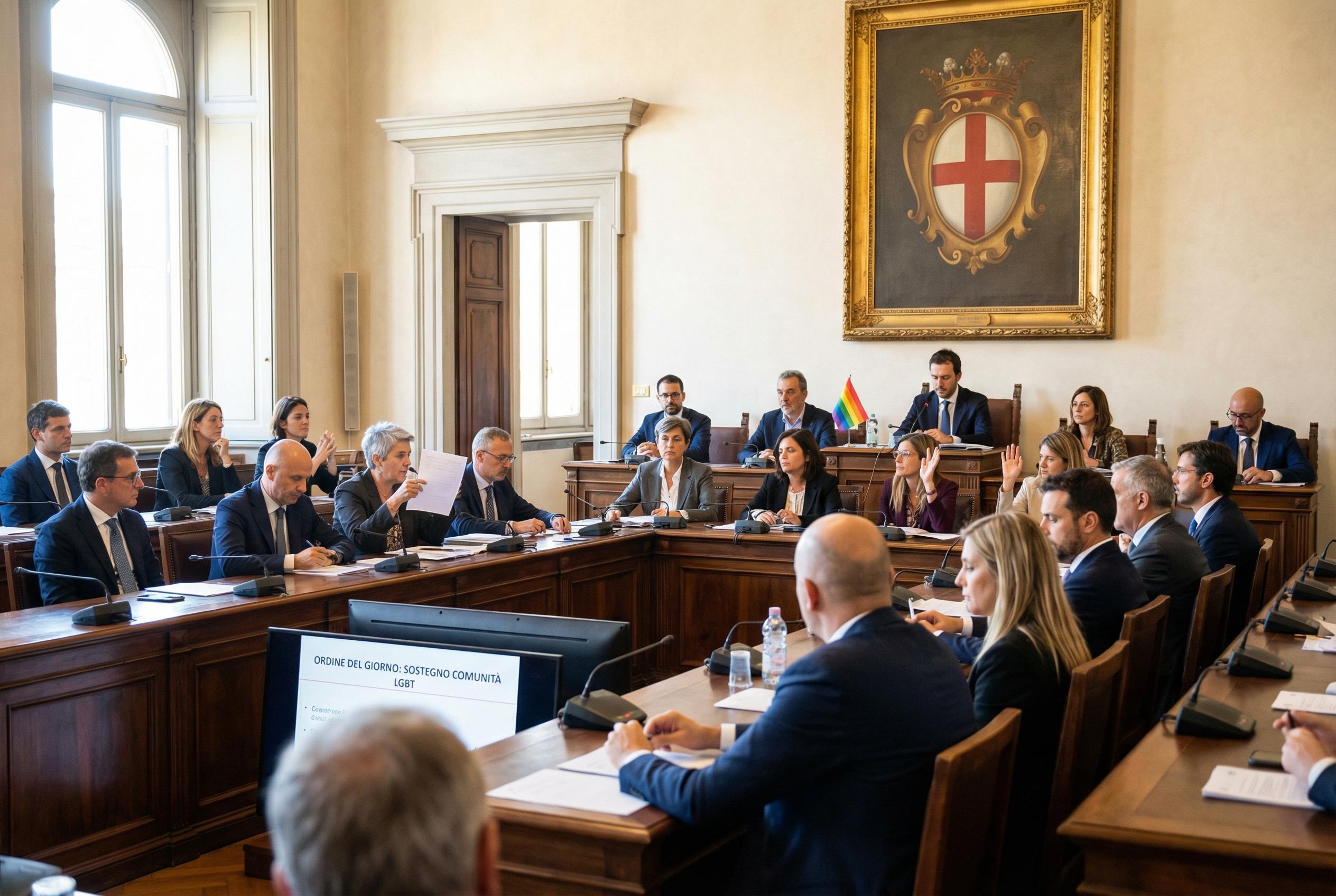
Shoppers, residents and activists say Milan is stepping up: the city council has approved a plan to consider joining criminal trials as a civil party in cases of homolesbo-transphobic crimes and threats, offering support to victims and reinvesting any damages into anti-discrimination work across the city.
Essential takeaways
- New municipal stance: Milan’s council will evaluate joining prosecutions as a civil party in homolesbo-transphobic cases, always with the victim’s consent.
- Broader protection: The measure covers physical attacks and also intimidation aimed at LGBTQIA+ meeting places, so community spaces get specific attention.
- Victim-led approach: The city promises to coordinate participation with victims’ needs and sensitivities rather than taking unilateral action.
- Reinvested reparations: Any damages awarded for harm to the city’s image will be used to fund local anti-hate programmes and prevention initiatives.
- Model ambitions: Milan is presenting the initiative at national forums, hoping other Italian municipalities will copy the approach.
Milan’s move is bold , and visibly supportive
Milan’s administration has chosen a posture that’s both symbolic and practical: the city won’t simply issue statements, it’s prepared to put its institutional weight into court. That’s a comforting tactile change for victims , a supportive presence in what can be an isolating legal process. According to statements by the welfare councillor, the aim is to make sure people feel the city is standing by them, not looking away.
Context matters here: joining as a civil party gives the municipality a formal role in trials, a chance to seek damages and to show public solidarity. It also sends a political message: discrimination and violence tied to sexual orientation or gender identity are not private matters, they’re communal concerns.
Why including attacks on LGBTQIA+ spaces is important
This isn’t just about assaults on individuals. Milan’s proposal explicitly covers acts of intimidation against places where LGBTQIA+ people gather , bars, community centres, cultural venues. Those spaces often carry a particular atmosphere: familiar, safe, warm. When they’re targeted, the damage ripples out across networks and friendships, not just to one person.
Practically, that means the city can act when a venue receives threats, vandalism, or sustained harassment, potentially helping to fund security measures or legal support. For community organisers, that kind of backing can feel like a lifeline.
Victim consent and sensitivity , not performative politics
The administration has been careful to stress that it won’t jump into cases without the victim’s agreement. That’s crucial: victims know best what they need and when they’re ready to be publicly involved in a trial. Milan’s approach is to coordinate participation with those affected, tailoring its role to preserve dignity and privacy.
This helps avoid the criticism some municipalities face when their courtroom interventions look more like publicity than justice. It also makes the city’s engagement credible: it’s framed as accompaniment rather than intervention for its own sake.
Putting reparations to work , prevention over profit
Any money won in trials for harm to the city’s image won’t sit in a ledger; it will be funnelled straight back into anti-hate work. That creates a loop where justice funds prevention and support: victim services, awareness campaigns, outreach in schools, or bolstering the safety of community spaces.
That decision has practical upside. Instead of appearing to monetise incidents, Milan is promising reinvestment that strengthens civic resilience and reduces the likelihood of repeat harms.
Could Milan’s move become a national model?
Milan has already taken the proposal to a national event of local governments, signalling an intent to inspire other cities. If other municipalities follow, the result could be a patchwork of local authorities ready to back victims in court and to protect community venues.
There are questions to watch: will smaller councils have the resources to replicate Milan’s plan? How will coordination with prosecutors and civil society groups work in practice? The next year will show whether this policy remains a local symbol or becomes a replicable template for active municipal defence of civil rights.
It’s a small change that could make every act of support feel more tangible for those who need it most.
Source Reference Map
Story idea inspired by: [1]
Sources by paragraph: