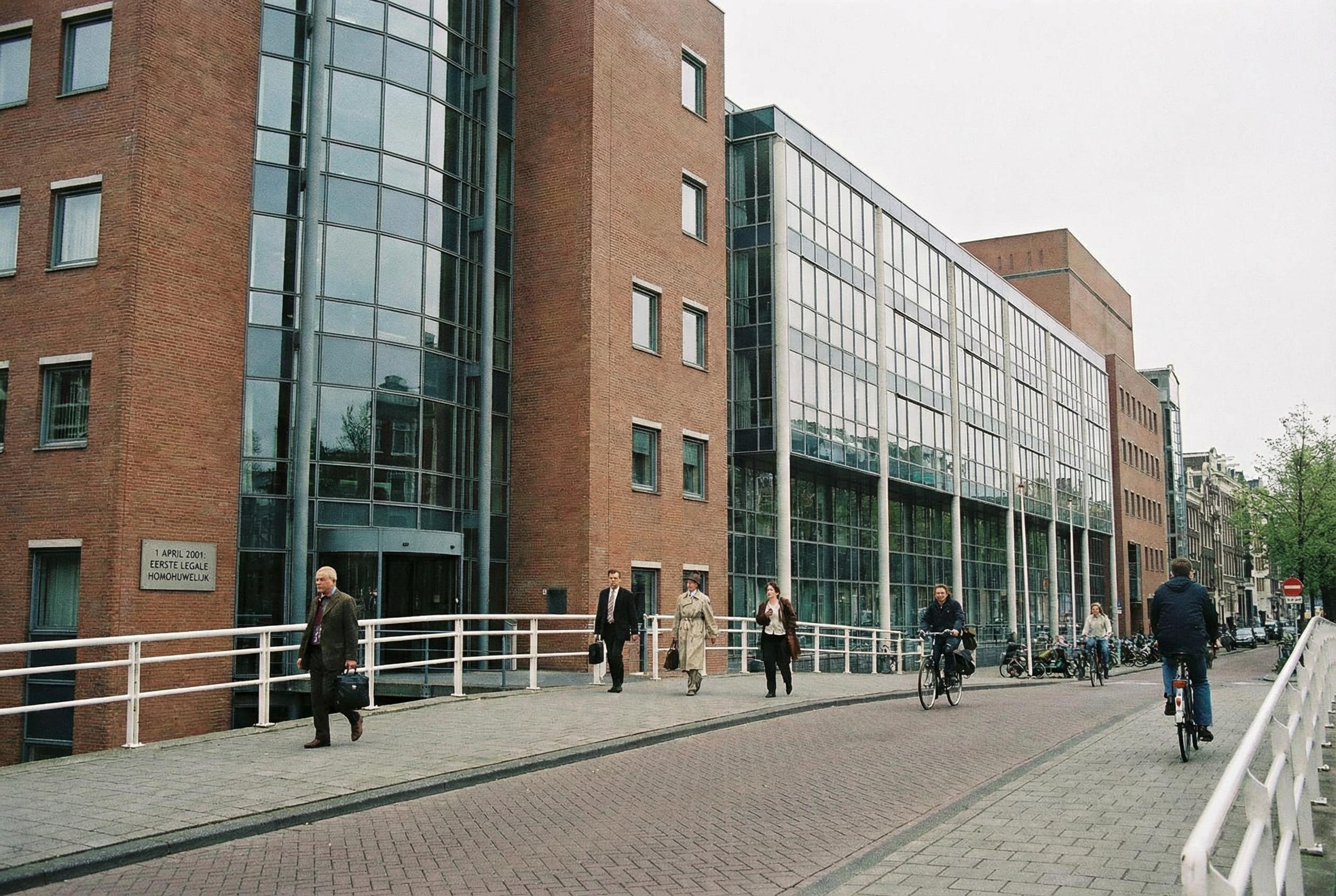
Celebrate the moment: Amsterdam marked 25 years since the world’s first legal same-sex weddings with three couples marrying in the city, a visual reminder of progress, pride and how legal changes ripple beyond borders. It’s a milestone for the Netherlands and a prompt to compare how quickly , or slowly , other countries are moving.
Essential Takeaways
- Historic milestone: Amsterdam commemorated the 25th anniversary of the first legal same-sex marriages with midnight ceremonies officiated by the mayor, a small, joyful affair with big symbolism.
- Wide impact: Since 2001, more than 36,000 same-sex couples have married in the Netherlands, showing years of lived commitment and legal normalisation.
- Global patchwork: Marriage equality remains a mixed picture worldwide , some countries have advanced recently, while many still prohibit recognition.
- Personal resonance: Leaders who grew up watching the first ceremonies say the moment was formative, underscoring how visibility shapes social change.
A midnight ceremony that felt both intimate and historic
Amsterdam’s low-key celebration , three couples exchanging vows just after midnight , carried a quietly powerful emotional punch, the sort that makes you smile and well up at the same time. According to reports, the mayor personally presided over the weddings, echoing the scene from a quarter-century ago when Job Cohen first married four couples. That continuity makes the event feel less like a publicity stunt and more like a civil ritual passed down the civic aisle. If you imagine the city’s canals at night, you can picture how tender and symbolic the moment must have felt.
How the Netherlands set a global example
The Netherlands didn’t just legalise same-sex marriage; it opened a door other countries would walk through in their own time. More than 36,000 same-sex weddings since the law changed in 2001 show marriage equality became an everyday reality there, not just a headline. Publications covering the anniversary noted that leaders and citizens alike still point to that first day as a turning point, which is exactly how social change tends to spread , visible, repeatable acts that others can reference and emulate.
A patchwork of progress around the world
The anniversary throws the global picture into sharp relief: some nations have moved quickly, others lag far behind. Recent shifts, like decisions widening property rights or newly enacted marriage laws in certain countries, are cause for celebration. But many places still deny same-sex marriage altogether, and in some regions other rights are under pressure. Looking at the map of legal recognition, it’s clear progress has been uneven and fragile, which is why anniversaries like this are both joyous and a reminder to stay vigilant.
Why leaders’ personal stories matter
When political figures talk about watching those first ceremonies on television as teenagers, it’s not mere nostalgia; it’s evidence of how representation changes minds. An openly gay prime minister speaking about what the 2001 weddings meant to him underscores that legal change also influences culture and identity. That human element , the small, personal memories , helps explain why what happens in one city can shift attitudes far beyond its borders.
Practical perspective: what this anniversary means for couples and campaigners
If you’re in a country where marriage equality is still a fight, anniversaries like Amsterdam’s are useful: they provide a template for what normalisation looks like and supply concrete talking points , legal precedent, societal uptake, and personal narratives. For couples considering tying the knot where it’s allowed, the Dutch experience shows the benefits of clear legal frameworks: from property rights to parental recognition, the protections matter in everyday life. And for friends and family wondering how to be supportive, small gestures , showing up, learning the legal basics, celebrating anniversaries , make a difference.
It's a small ritual with a big after-effect: every public vow helps move the conversation forward.
Source Reference Map
Story idea inspired by: [1]
Sources by paragraph: