Shoppers, residents and local employees are joining community-led events more than ever; Santa Rita’s LGU closed National Women’s Month with a full day of Women’s Walks, free Zumba, legal briefings and livelihood aid that doubled as a model for other municipalities wanting meaningful, inclusive programming.
Essential Takeaways
- Community-focused: Santa Rita held a municipality-wide Women’s Walk and free Zumba to kick off a day of empowerment and visibility.
- Legal awareness: LGU personnel received orientations on the Magna Carta of Women (RA 9710) and the Anti-Violence Against Women and Their Children Act (RA 9262), reinforcing rights and protections.
- Practical support: Hygiene kits, IEC materials in Kapampangan, and plans to digitise beneficiary data aimed to reach more women and LGBTQIA+ residents.
- Direct assistance: Livelihood cash incentives and free make-up tutorials benefited salon owners, LGBTQIA+ members and around 100 participants through public–private partnerships.
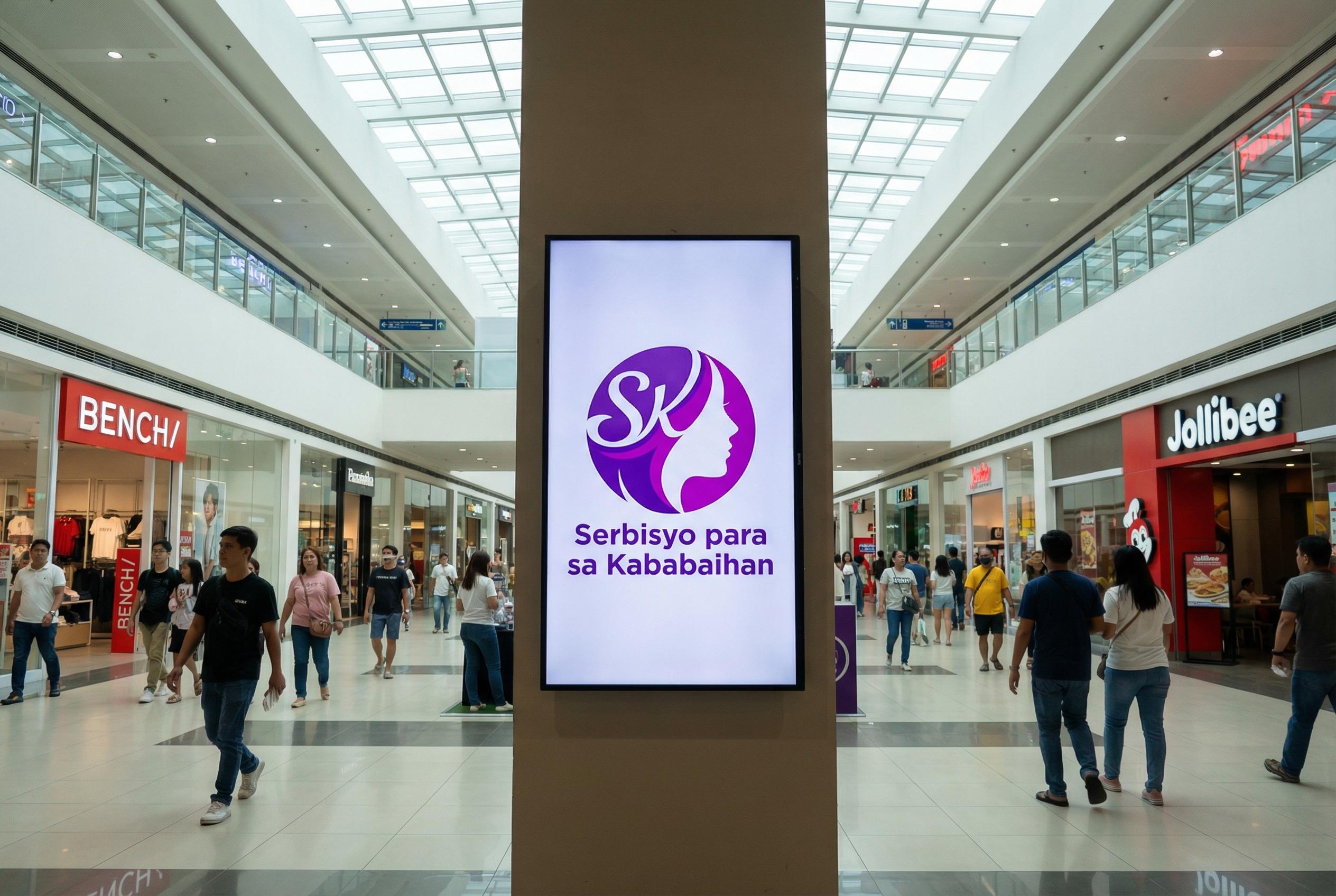
- Recognition and partnership: SM City San Fernando Downtown helped sponsor training and a “Serbisyo para sa Kababaihan” recognition programme for women employees.
Why a Women’s Walk and Zumba matter , it’s more than exercise
There’s an energy to seeing a whole town turn out for a walk and a mass Zumba session; it’s loud, visual and suddenly the idea of inclusion feels local and tangible. Santa Rita’s mayor said the LGU workforce is majority female, so making a public, celebratory gesture doubles as acknowledgement and morale-boosting. Simple, active events get people physically together, reduce barriers to attendance and create a friendly way to open tougher conversations later in the day. If you’re planning something similar, pick a central route, keep it short and offer refreshments or a cool-down zone , that small kindness keeps attendance high and the atmosphere inclusive.
Legal briefings: awareness is the start of empowerment
Orientations on Republic Act 9710 (Magna Carta of Women) and RA 9262 (Anti-Violence Against Women and Their Children) were central to Santa Rita’s programme, underlining that empowerment starts with knowing rights. Police Captain Elsa Casupanan led the lecture for LGU staff, reminding participants that legal protection is practical, not abstract. According to government resources, these laws outline entitlements and protections that local offices can help enforce. Local councils thinking of copying this approach should invite legal or police speakers, prepare clear leaflets and set up a simple follow-up channel , a hotline or designated officer , so information becomes action.
Local language materials and digitised outreach actually change reach
Municipal Administrator Earl Tongol highlighted a small but powerful detail: IEC materials were translated into Kapampangan, making them easier to absorb for residents who prefer the local tongue. Language matters, and so does data. Tongol also flagged plans to digitise beneficiary records to better target assistance for women and LGBTQIA+ applicants. That’s smart: digital records reduce missed opportunities and speed up help. If you run community outreach, translate materials, test them with a few residents, and think about simple digital capture , even a basic spreadsheet or form can make a big difference.
Livelihood aid, make-up tutorials and recognition , practical dignity
Social Welfare head Jacqueline Quiambao led cash incentives and livelihood support aimed at LGBTQIA+ members and beauty shop owners, while a sponsored make-up tutorial reached around 100 participants. Practical support like cash for starting or sustaining a small service business, plus skills sessions, shows respect for economic needs rather than only symbolic gestures. Partnerships with local businesses , in this case SM City San Fernando Downtown , extend capacity and visibility. When designing aid, match the amount and training to real costs, invite feedback from beneficiaries, and consider small follow-up grants or mentoring so support sticks.
Partnerships and recognition: why public–private programmes pay off
The event’s public–private partnership model meant the LGU could offer workshops, recognition and materials without shouldering everything. Corporate sponsorship from a well-known mall gave scale and a recognisable “stamp” of community support. Recognition programmes , like “Serbisyo para sa Kababaihan” , help spotlight staff and volunteers while encouraging others to participate next year. They’re inexpensive but meaningful. Local councils should seek partners with aligned values, agree clear deliverables and keep recognition sincere; people notice when awards are token and when they’re earned.
It's a small change that can make every community celebration more inclusive and useful.
Source Reference Map
Story idea inspired by: [1]
Sources by paragraph: