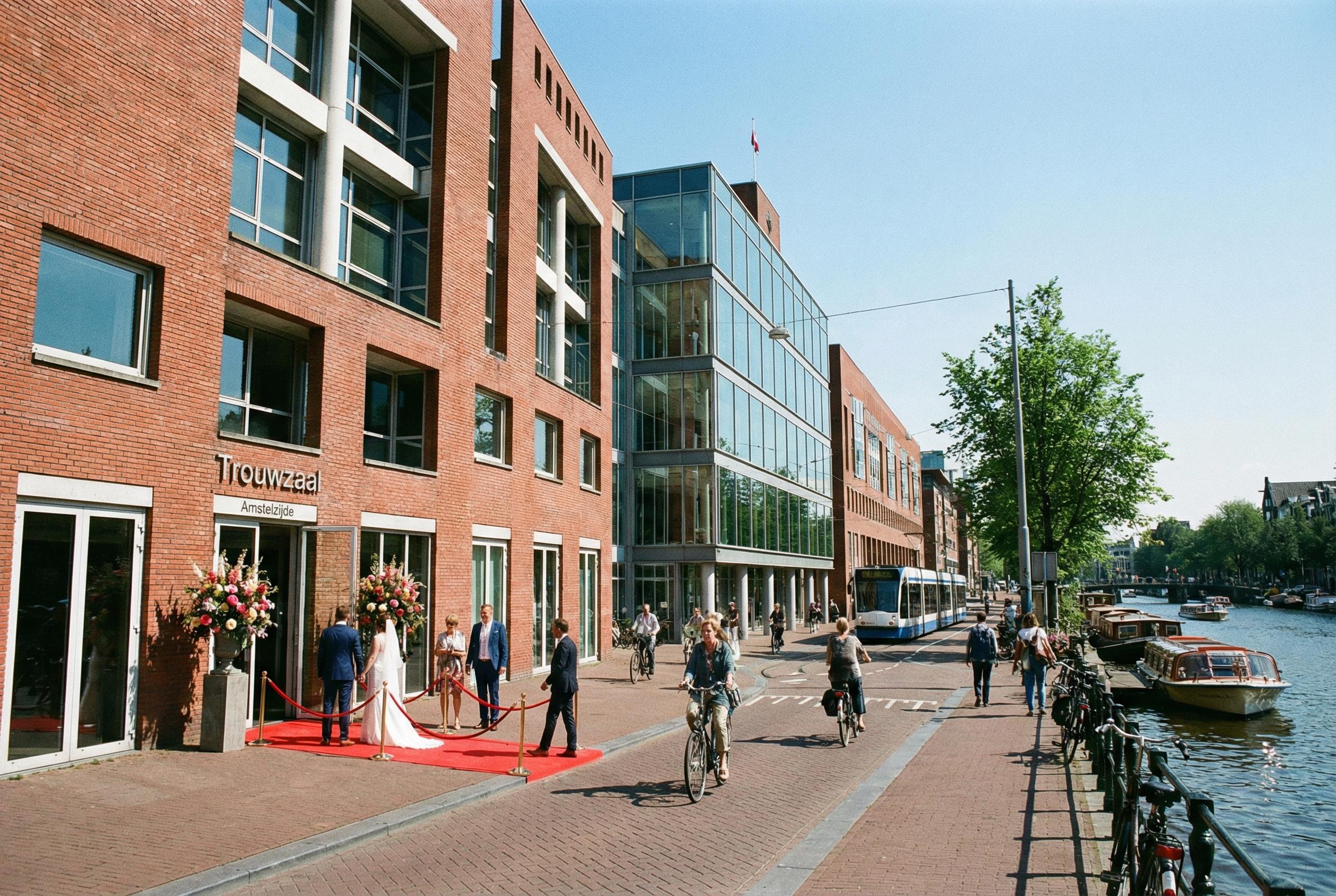
Marking a quarter-century since the Netherlands opened civil marriage to same-sex couples, Amsterdam staged a joyful, symbolic overnight ceremony , three couples wed at City Hall , reminding the world why the 2001 law still matters for rights, families and everyday dignity.
Essential Takeaways
- Historic scale: More than 36,000 same-sex marriages have taken place in the Netherlands since 2001, a steady sign of social normalisation and legal access.
- Global ripple: The Dutch change helped inspire similar laws in nearly 40 countries, reshaping family law in Europe and beyond.
- Personal impact: Marriage affects practical matters , hospital visits, parental recognition and school records , as couples and advocates often note.
- Mixed progress: While many countries have expanded protections, some places are backtracking or never adopted marriage equality; concerns about trans rights persist.
- Emotional scene: The Amsterdam anniversary mix of giddiness and sober reflection shows celebration can coexist with vigilance.
How Amsterdam turned a legal first into a global cue
The Netherlands’ decision to legalise same-sex marriage in 2001 still reads as a vivid, seismic moment in civil-rights history, and Amsterdam’s anniversary ceremony leaned into that emotion. The city held a midnight celebration at City Hall where three same-sex couples married, echoing the first landmark weddings two and a half decades ago. The scene felt celebratory and intimate, the sort of event where confetti and gravitas meet. According to reporting, Mayor Femke Halsema officiated and Prime Minister Rob Jetten, the country’s first openly gay leader, reflected on how the early ceremonies inspired him as a teenager. This was as much about memory as it was about signalling that law can change lives.
Numbers that tell the story , how many couples, where it spread
Concrete figures help ground the anniversary: official Dutch statistics show more than 36,000 same-sex marriages in the Netherlands since 2001, a number you can imagine as thousands of small domestic revolutions , civil partnerships becoming everyday family life. Pew Research and AP pieces place the Dutch example in global context, noting close to 40 countries now permit same-sex marriage. The U.S. has roughly 800,000 same-sex married couples since nationwide recognition in 2015, and that spread of legal recognition shows how one early reform can seed others.
Why marriage still matters in practical terms
Beyond symbolism, marriage carries legal weight. Couples interviewed in the U.S. anniversary coverage stressed how marriage simplified parental rights, hospital visitation and official documents , matters that aren’t romantic but are profoundly stabilising. If you’re thinking practically about family planning or medical decisions, the legal status of marriage still changes how institutions treat you. So for many, especially those starting families, the right to marry remains a matter of everyday paperwork as much as dignity.
The uneven map: progress, pushback and trans rights concerns
Not every jurisdiction followed the same script. While many European countries have expanded protections, parts of the world , notably much of Asia and Africa , still don’t permit same-sex marriage, and some have tightened penalties for LGBTQ+ people. Even in countries with marriage equality, political backlashes can target related rights; in the U.S., for instance, legislation and court decisions have recently challenged bans on conversion therapy and restricted trans youth healthcare and sports participation. Dutch LGBTQ+ advocates have warned their country has grown complacent on trans issues and anti-LGBTQ+ bullying persists, so the anniversary was also a reminder that legal wins don’t end the work.
What the anniversary felt like , celebration with a side of vigilance
Reports described the Amsterdam event as giddy and reflective, with couples who married in 2001 returning to mark the milestone alongside brand-new newlyweds. The tone captured a paradox: celebration of a hard-won right, and awareness that rights can require ongoing defence. Advocates urged awareness rather than fear, advising families to stay informed about legal changes and to protect their rights through documentation and community networks. If anything, the party at City Hall showed why anniversaries matter , they’re both a yes to progress and a call to keep going.
It's a small change that still makes a big difference in people’s daily lives.
Source Reference Map
Story idea inspired by: [1]
Sources by paragraph: