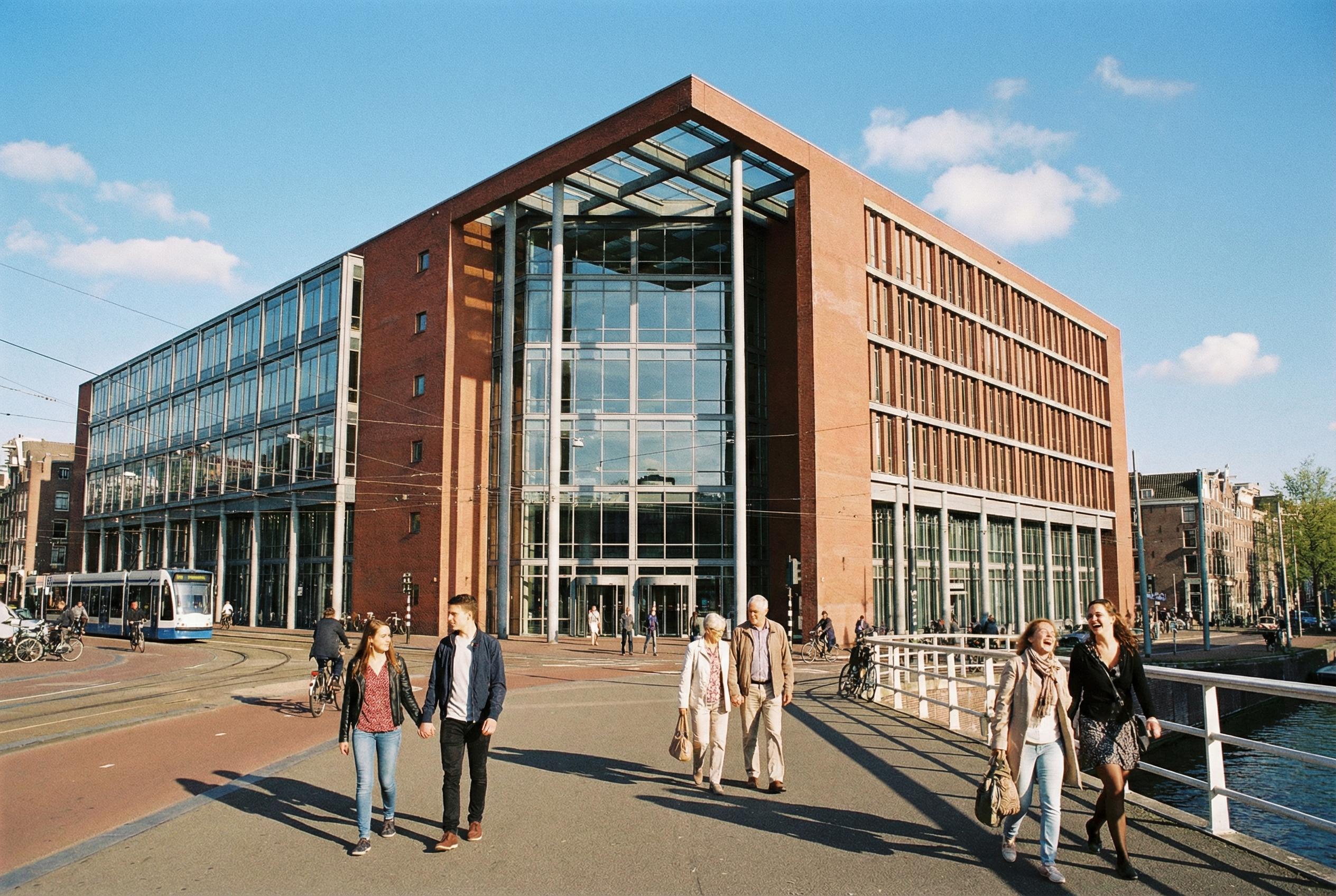
Celebrate, reflect and look ahead , Amsterdam marked 25 years since the Netherlands became the first country to legalise same‑sex marriage, with weddings, speeches and a reminder that progress has a long tail; nearly 36,000 couples have married and the moment still matters for rights worldwide.
Essential Takeaways
- Historic milestone: The Netherlands legalised same‑sex marriage on 1 April 2001, the first country to do so.
- Scale of change: Nearly 36,000 same‑sex couples have married in the Netherlands over 25 years; small, intimate ceremonies marked the anniversary in Amsterdam.
- Visible leadership: Prime Minister Rob Jetten, openly gay and engaged, attended as guest of honour, signalling political visibility matters.
- Mixed mood: The anniversary mixed celebration with protest, highlighting remaining gaps in rights and global unevenness.
- Global ripple: Several dozen countries now recognise same‑sex marriage, but the spread is uneven and ongoing work is needed.
A quarter‑century later, Amsterdam still feels the joy and the punch of history
On the streets of Amsterdam the air felt both festive and a little reflective, a tiny scent of flowers and confetti in the air. City leaders marked the 25th anniversary with weddings just after midnight and speeches that mixed pride with the kind of quiet insistence that change never finishes. According to reporting, three couples were wed by the mayor to mark the date, a neat symbolic echo of the very first ceremonies. This anniversary is both a party and a checkpoint: a chance to savour what’s been won and to tally what remains to do.
Nearly 36,000 couples , numbers that humanise a legal milestone
The Dutch statistics office puts the total at almost 36,000 same‑sex marriages in 25 years, a figure that turns abstract policy into real lives and routines. Those numbers matter because they show the law wasn’t just symbolic; people used it to build families, households and public histories. DutchNews and other coverage have used the tally to remind readers that behind each digit is a story , a first kiss on a park bench, children being formally recognised, anniversaries celebrated in local cafés.
Leadership matters: Rob Jetten’s presence was more than ceremonial
Having Rob Jetten, the first openly gay Dutch prime minister, attend the Amsterdam event sent a clear signal: representation resonates. Jetten has spoken about seeing those early ceremonies on television as a teenager and how that visibility made being himself imaginable. Moments like this matter to young people who are still figuring out their place in the world; a public figure who shares their identity can make rights feel less abstract and more achievable.
Celebration with a nudge: why the anniversary included protest, too
The mood in Amsterdam wasn’t uncritically celebratory. City leaders and campaigners used the anniversary to remind people that legalisation in one country hasn’t solved everything. The mayor noted that recent conservative governments put pressure on LGBTQ+ progress, and activists pointed out uneven global recognition. That duality , cake and placards , is useful: anniversaries can both honour past wins and spotlight ongoing injustices, keeping the conversation live.
From Amsterdam to the world: slow, uneven global change
Since 2001, several dozen countries have followed the Netherlands and legalised same‑sex marriage, a diffusion covered in international roundups. But the spread has been patchy: some regions have embraced reform quickly, others remain strongly opposed. Analysis pieces tracing the global picture show how local politics, courts and social movements interact; legal recognition often depends on broader shifts in public opinion, political will and judicial rulings. For people thinking about where the movement goes next, that means strategy matters as much as sentiment.
Practical takeaways for readers who care about rights and recognition
If you want to mark the anniversary in a way that matters, think local as well as symbolic. Support community centres, donate to legal clinics that help couples with cross‑border issues, or simply attend a public lecture on family law reforms. For couples, it’s worth checking how recognition works if you move countries , not every marriage is treated the same worldwide. And if you live in a place where rights feel fragile, visibility and civic engagement still shift the dial more than we sometimes expect.
It's a small change that can make every ceremony and every everyday moment safer and more visible.
Source Reference Map
Story idea inspired by: [1]
Sources by paragraph: