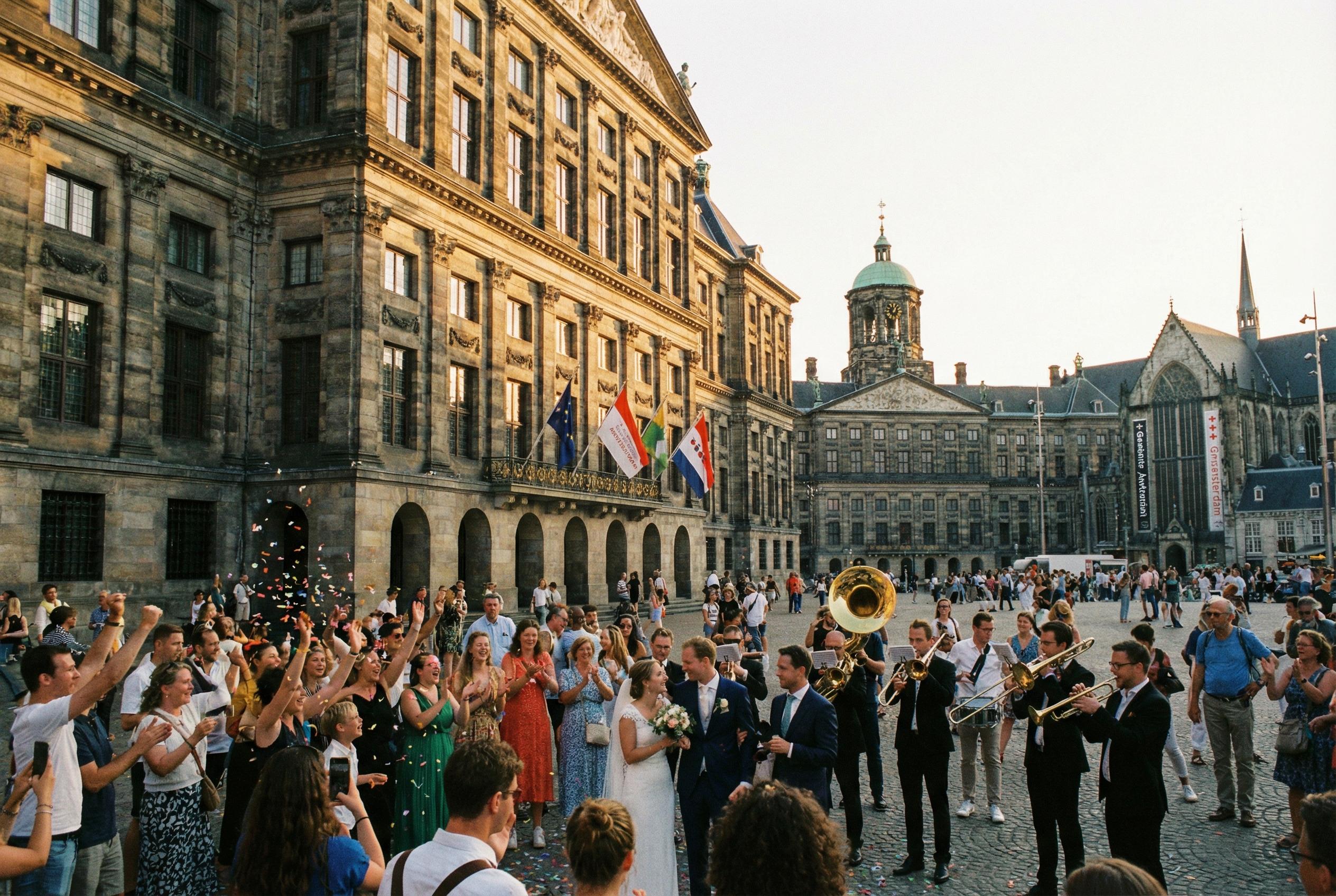
Marking a quarter-century since the Netherlands led the world, Amsterdam’s mayor married three same-sex couples at the stroke of midnight , a vivid, celebratory reminder of how marriage equality changed lives, law and daily life at home and abroad.
Essential Takeaways
- Historic moment revisited: Three same-sex couples were married in Amsterdam just after midnight to mark 25 years since the Netherlands legalised same-sex marriage. They exchanged vows in a warm, intimate ceremony.
- High-profile guests: Prime Minister Rob Jetten and former mayor Job Cohen attended; Jetten, the country’s first openly gay prime minister, described the night as personally meaningful.
- Global context: About 37 countries now allow same-sex marriage, while nearly twice that number still criminalise same-sex relations, sometimes severely.
- Cultural impact: More than 36,000 same-sex marriages have taken place in the Netherlands since 2001, shaping visibility and representation , even in schoolbooks.
- Emotional tone: The event blended civic ceremony with personal stories, with speeches and social-media reflections underscoring equality’s practical and symbolic importance.
Midnight vows: why a post-midnight wedding still matters
There’s a pleasing theatricality to a wedding held just after midnight, and this one came with extra weight , it echoed the original moment in 2001 when Dutch couples queued to marry as soon as the law changed. According to local reports, three couples , Rebecca and Sytske, Nico and Vital, and Eelke and Elton , said their vows shortly after midnight in Amsterdam’s town hall, with the mayor presiding. The setting felt both intimate and ceremonial: soft lights, small gatherings and speeches that mixed humour with history.
Back in April 2001, four couples married in that same midnight window and the world paid attention. That pioneering act turned into a symbol of change, and the recent ceremony deliberately recalled that image. For couples choosing to marry at this hour, the moment is as much about marking progress as it is about their personal commitment.
Leaders in attendance: why politicians still show up
The presence of Prime Minister Rob Jetten alongside former mayor Job Cohen gave the ceremony extra gravitas. Jetten, who has spoken publicly about his own experiences growing up gay, called it an honour to attend and posted moving reflections on social media about belonging and equality. Politicians attending these events sends a clear message: marriage equality is civic business as well as private joy.
It’s also a reminder of how public figures can normalise inclusion. Seeing the country’s leaders at a small wedding suggests a national consensus, even if global attitudes remain uneven.
Then and now: the Netherlands’ wider legacy
When the Netherlands opened civil marriage to same-sex couples in 2001, it didn’t just change domestic law , it set a benchmark. Since then, more than 36,000 Dutch same-sex marriages have been registered, and dozens of countries followed suit. Yet progress isn’t universal. Research from global organisations shows roughly 37 countries now recognise same-sex marriage, while nearly twice that many still criminalise consensual same-sex relations, sometimes with harsh penalties.
That contrast frames the midnight ceremony as both celebration and reminder: the rights secured in Amsterdam remain fragile elsewhere, and activism and diplomacy continue to matter.
Everyday ripples: how legalization changed lives
Legal recognition does more than authorise a ceremony. It affects taxation, inheritance, parental rights and social recognition , the practical scaffolding of daily life. People who were teenagers when the law changed have said that seeing married same-sex couples helped confirm their own identities; leaders at the ceremony echoed that sentiment. For many, the ability to say “we are married” without euphemism has a quietly profound effect on dignity.
If you’re thinking of getting married, consider the legal checklist: name changes, joint finances, wills and parental paperwork. Those bits matter as much as the vows.
How to approach anniversary celebrations and what to learn
If you want to mark milestone anniversaries of social change in your community, small public ceremonies , like the Amsterdam midnight weddings , work precisely because they combine personal stories with civic memory. They’re also good reminders to check on the rights behind the rituals: are local laws up to date, and do educational materials reflect diverse families?
Practical tip: if you’re planning a symbolic celebration, reach out early to local officials; these events often need permits and they’re a chance to invite speakers who can root the occasion in history.
It's a small change that can make every ceremony feel both private and public.
Source Reference Map
Story idea inspired by: [1]
Sources by paragraph: