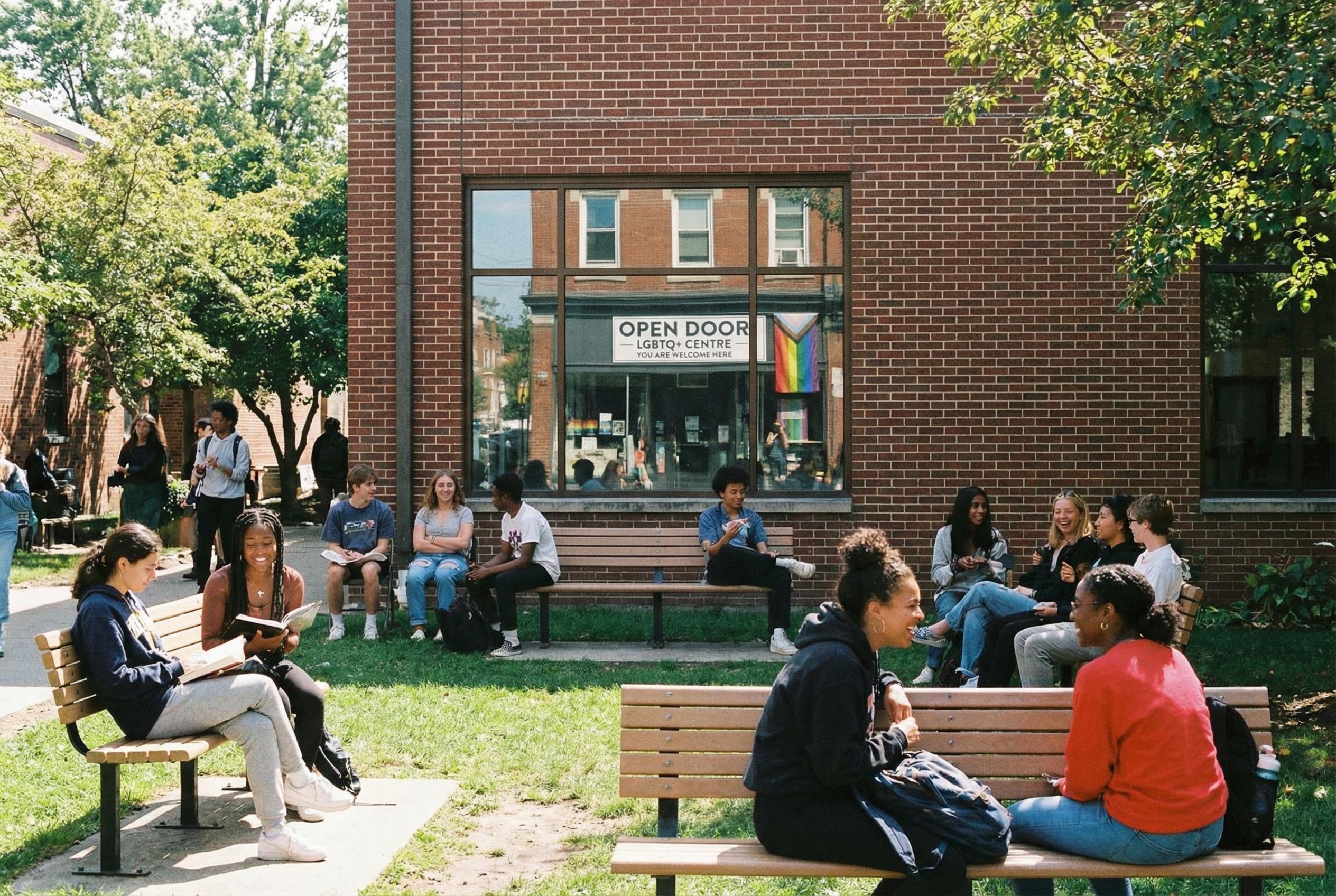
Shoppers are turning to data, students are speaking up, and the picture is stark: a new national Glisten survey finds most LGBTQ+ young people feel unsafe at school, prompting educators, parents and policymakers to rethink what safety and inclusion really mean. Here’s what matters, why it’s happening, and practical steps schools can take.
Essential Takeaways
- Widespread fear: Nearly two-thirds of LGBTQ+ students report feeling unsafe because of sexual orientation or gender identity, with transgender students especially avoiding school spaces.
- Silence hurts: Many schools adopt policies on paper but fail to enforce them, creating a “negative neutrality” that leaves students exposed.
- Intersectionality matters: LGBTQ+ students of colour and those with multiple marginalised identities report compounded harassment.
- Support works: Schools with supportive teachers, inclusive policies and active LGBTQ+ student groups see better attendance and grades.
- Student-led networks: Young people are building their own support systems, but peer networks can’t replace adult intervention.
The headline stat: most LGBTQ+ kids don’t feel safe at school
The new Glisten (formerly GLSEN) survey, presented at the National Education Association in Washington, D.C., found that almost two-thirds of LGBTQ+ students feel unsafe at school because of who they are, and only about one in three regularly look forward to going. That’s a bleak opening line, but it explains why this story landed on centre stage. The feeling students describe is not abstract, it's a daily, physical reaction: avoiding bathrooms, skipping classes, shrinking away from activities.
This trend didn’t emerge overnight. Glisten’s long-running school climate work shows ups and downs over the years, but the 2025 data underscores how political debates and inconsistent local policies have translated into classroom fear. For parents and teachers, the practical takeaway is simple: safety policies without consistent action aren’t enough.
Negative neutrality: when policy exists but nothing changes
A striking concept from the report is “negative neutrality,” where a school’s formal rules protect students on paper but staff avoid enforcing or even mentioning those protections. That quiet is damaging, students notice when adults won’t intervene, and silence can normalise harassment. One educator at the event said teachers often freeze because they’re afraid of making mistakes, but doing nothing can be worse.
If your school has an anti-bullying policy, check whether staff receive training on how to enforce it, and whether incidents are tracked. Small changes, teachers correcting misgendering, consistent consequences for name-calling, make the environment tangibly safer and signal to students that adults are paying attention.
Why intersectionality makes a huge difference
The survey highlights that students don’t experience harassment in neat categories. A Black gay student, for instance, described being targeted both for race and sexual orientation, and pressured to conform to gender norms. Those intersecting identities intensify harm and limit access to support.
Schools should consider targeted supports: mentorship programmes pairing students with same-identity staff or community allies, culturally competent counselling, and attention to how race and gender play out in discipline and extracurricular access. It’s not a one-size-fits-all fix, effective supports listen to the students most affected.
Student networks are lifesaving, but they’re not a substitute
One hopeful thread is how young people are banding together, forming clubs, looking out for one another, and creating pockets of joy and resilience. Anecdotes from the event showed how a nonbinary student helped a peer join activities and experience new freedoms, only to leave later after severe bullying. That arc shows both the power and fragility of peer support.
Schools should encourage and resource student groups like Pride clubs, offer staff advisers who are trained and visible, and make sure students can access safe spaces during the school day. Funding for extracurriculars and dedicated time for clubs to meet sends a clear message that student-led supports are valued.
What supportive schools actually do (practical checklist)
If you’re a parent, teacher or governor wondering what works, here are concrete moves:
- Train every staff member on how to handle misgendering and harassment, not just guidance staff.
- Enforce existing policies consistently and publish anonymised incident data so the community sees action.
- Ensure facilities policies let students use bathrooms and changing spaces that match their gender identity, with privacy options for anyone who needs them.
- Resource LGBTQ+ student groups with staff advisers and meeting time.
- Centre the experiences of students of colour and other marginalised groups in anti-bullying strategies.
Small steps built into daily practice, correcting a pronoun slip, stepping in when slurs appear, visibly supporting student events, add up to a different school culture.
Looking ahead: policy, politics and the classroom
The report links the school climate to broader political fights over LGBTQ+ rights, especially for transgender youth. That means solutions can’t be purely local; national and state-level debates will continue shaping school responses. Advocates argue that clearer guidance and stronger enforcement from education authorities would reduce the patchwork of protections.
For families and educators, the key is holding systems accountable while supporting students now. Glisten’s findings make it clear: when students feel seen and safe, they learn better and live better. Adults need to match young people’s courage with concrete action.
It's a small change that can make every school day feel safer for a lot more kids.
Source Reference Map
Story idea inspired by: [1]
Sources by paragraph: