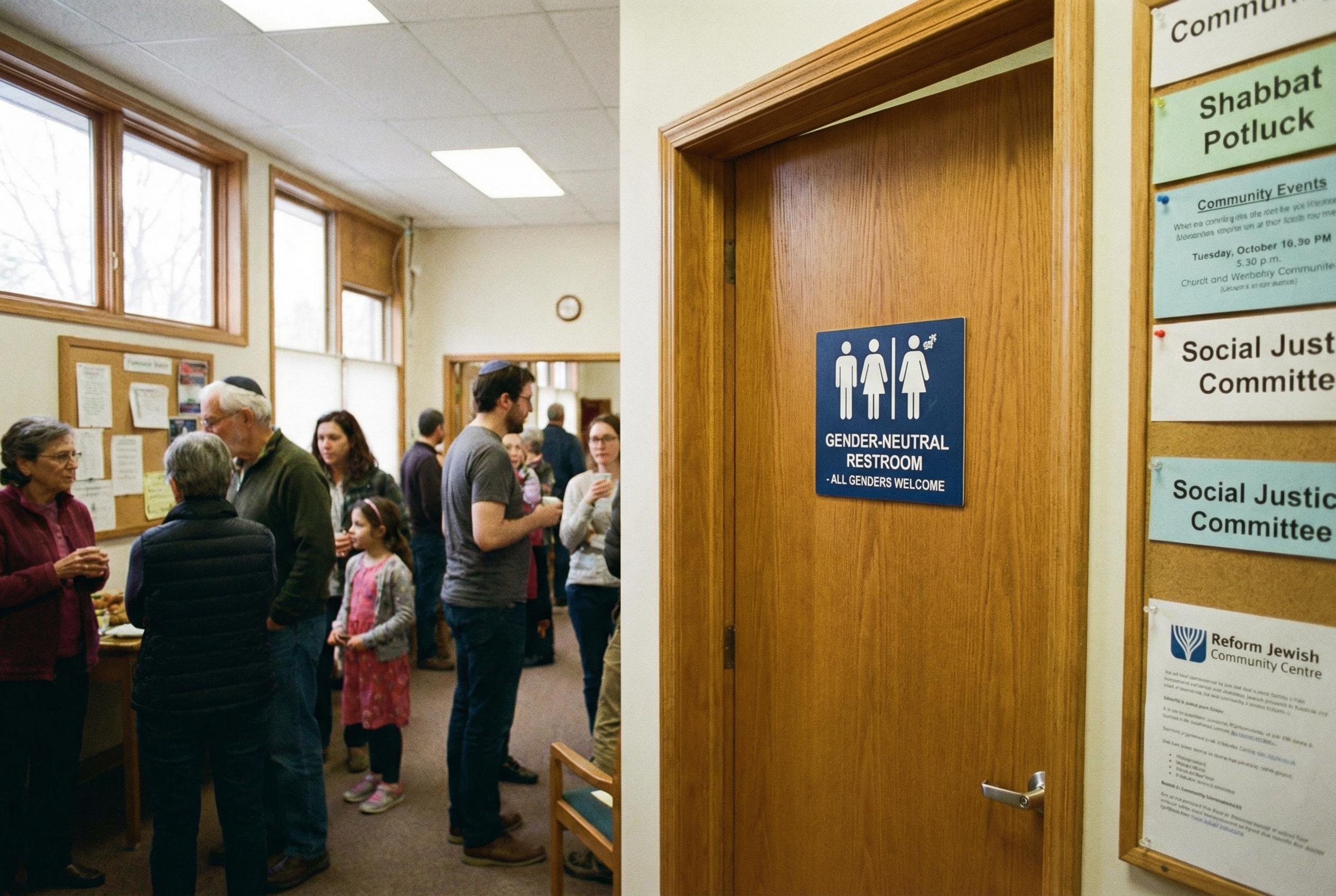
Notice how everyday acts in synagogue foyers and classrooms can make a life-or-death difference: rabbis, cantors and community leaders are stepping up as lawmakers chip away at trans rights, and practical changes at the local level are becoming the most effective, immediate refuge.
Essential Takeaways
- Broad support exists: Over 1,000 Jewish spiritual leaders from across denominations have publicly pledged support for transgender, nonbinary and intersex people.
- Mobility and safety concerns: Recent surveys show a measurable share of trans people have moved states for safety, signalling widespread insecurity.
- Legal pressures rising: Hundreds of anti-trans bills continue to be introduced nationwide, and some states have enacted alarming measures like ID revocations.
- Concrete community actions: Policies such as using correct names/pronouns, gender-neutral restrooms and anti-bullying rules make places safer and more welcoming.
Why Jewish leaders are publicly declaring support now
More than a thousand rabbis, cantors and Jewish leaders have signed an open letter affirming that Jewish tradition compels support for trans, nonbinary and intersex people, a visible counterpoint to growing hostility in state legislatures. The gesture is both moral and strategic, a way for faith leaders to rally congregations and signal safety to LGBTQ+ Jews. According to organisations behind the effort, the coalition spans Orthodox to Reform communities, showing the issue crosses denominational lines. For many members, seeing their spiritual leaders speak up reduces isolation and offers practical reassurance that synagogues can be sanctuaries.
Sources by paragraph: [4], [6]
The lived reality: people are moving to stay safe
Surveys from recent years reveal that a notable share of transgender people have relocated between states driven by safety concerns, a stark indicator that policy debates have very real effects on daily life. Researchers at institutes tracking LGBTQ+ populations show migration isn’t just about jobs or family , it’s often about finding communities where basic rights and dignities are respected. That quiet exodus reshapes congregations too, as Jewish communities in receiving states may see new members looking for support and belonging. If your synagogue notices newcomers, simple outreach can make a big difference.
Sources by paragraph: [2], [3]
Laws on the rise , and what that means for congregations
State legislatures are moving fast: hundreds of anti-trans bills have been proposed in recent sessions, and advocacy groups warn the trend shows no sign of slowing. The American Civil Liberties Union and others have been tracking these measures, which range from restricting healthcare to limiting access to restrooms and school protections. Some states have already implemented extreme measures, such as revoking gender markers on IDs, creating immediate legal and practical headaches for trans people in everyday interactions. That legal pressure heightens the need for local institutions, including synagogues, to formally protect members regardless of what happens at state level.
Sources by paragraph: [5], [7]
Simple, immediate steps every Jewish community can take
There’s a short checklist any congregation can adopt this week: commit to using members’ chosen names and pronouns, post and enforce anti-harassment policies, and make at least one accessible gender-neutral restroom available. These changes are low-cost but high-impact; they communicate respect and reduce the real risk of harm to vulnerable members. Community centres can also offer staff training, include trans-inclusive language in membership materials, and make pastoral care explicitly available. If you’re unsure where to start, partner with national Jewish LGBTQ+ organisations for guidance and resources.
Sources by paragraph: [6], [4]
Why religious support matters for trans youth
Religious groups often play a decisive role in youth wellbeing, and faith-based affirmation correlates with markedly lower rates of depression and suicide among trans young people. When synagogues, youth groups and schools create affirming environments, kids notice , and their families notice too. Conversely, when social support is withdrawn or when communities remain silent, the risks increase. For Jewish communities with histories of persecution and exile, leaders say that protecting the vulnerable isn’t abstract theology but a lived obligation.
Sources by paragraph: [1], [4]
What congregants can do today
If you’re a member, start by asking your community leaders to review policies and training, volunteer for inclusion committees, or simply make space in conversation to listen to trans members’ experiences. Small gestures , using the right name in announcements, checking restroom signage, updating forms , add up and model the kind of care that keeps people safe. Don’t wait for legislation to force the issue; local moral leadership often moves faster and has a more direct impact.
Sources by paragraph: [6], [4]
It's a small but vital set of steps that can make congregations into real havens for trans lives.
Source Reference Map
Story idea inspired by: [1]
Sources by paragraph: