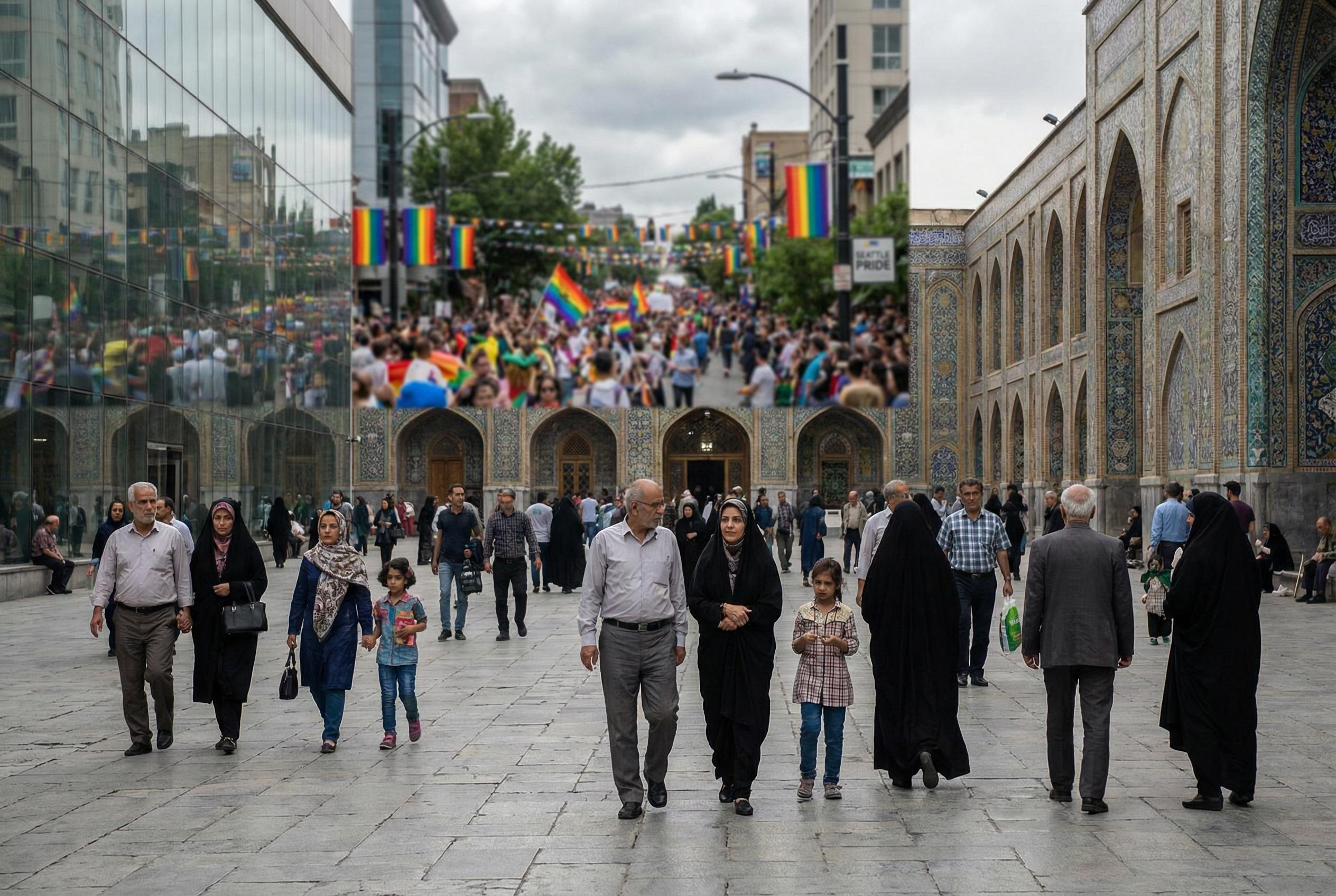
Noticing how queer lives crop up in the strangest places this week, readers are asked to think beyond survival: who, what and where we are matters , and building cross-border LGBTQ+ power could be the most practical step toward safety and influence in 2026.
Essential Takeaways
- Urgent contrast: A joke in one capital can be a death sentence elsewhere , LGBTQ+ safety still depends on geography and politics.
- Existing architecture: Flags, Pride, Stonewall and AIDS-era networks give the community shared symbols and organising tools.
- New strategy: Small, everyday nodes of solidarity across borders can create resilient, non-state power.
- Practical moves: Invest in mutual aid, cross-border networks, and storytelling that links personal wins to collective change.
Why a stray remark in Washington matters , and why it also doesn’t
A flippant comment about a foreign leader’s sexuality made headlines this week, and the juxtaposition was striking: in some places it’s mockery, elsewhere it’s deadly. Reports in US outlets flagged the remark as unserious, but advocates in the Middle East hear it as a threat when state propaganda weaponises queerness. That sensory gap , laughter in one room, fear in another , underlines the uneven reality for queer people worldwide. Historical and policy differences create that gap, and media attention can widen it. International coverage can protect some, but it also gives authoritarian regimes licence to stoke homophobic narratives. Understanding that split is the first step toward building strategies that protect people where laws and norms are hostile.
We already have pieces of a people; now we need to assemble them
Queer identity has long been seen as a collection of individual stories , coming out moments, romantic arcs, career wins. Yet we also share durable symbols: flags, commemorative dates, and a catalogue of collective struggle from Stonewall to the HIV crisis. Social-science research shows that shared narratives and symbols can construct a sense of “we.” That’s not fantasy; nationhoods were deliberately invented via schools, myths and law. We can borrow the method without the coercion. So start treating our cultural artifacts as civic infrastructure: conserve memory, teach history, and use rituals to move private identity into public purpose. When Pride becomes not just a party but a node of organising, its value multiplies.
Small nodes, big reach: what practical cross-border power looks like
If you can’t erect a global institution overnight, create a network. Think local grassroots groups that link with counterparts abroad, mutual-aid funds that take donations and deliver help to persecuted communities, and legal partnerships that channel expertise across borders. These nodes are lower-risk and highly nimble: they can pool resources, verify emergencies and share safe-housing leads. Digital platforms matter, but so do analogue ties , trusted messengers, translated materials, and informal mentorship. Start simple: set up a rotating hardship fund, agree secure communication channels, and share vetted lists of legal and medical help. Over time, these small mechanisms become a system.
Why storytelling must shift from the personal to the political
Personal narratives humanise, but they alone won’t sustain collective protection. When each coming-out tale is framed as the result of community effort, audiences see the link between individual rights and organised action. That subtle reframing helps turn empathy into investment: readers, donors and voters start to support structural change rather than single successes. Crafted narratives also counter state propaganda. In places where regimes depict queerness as a foreign threat, transnational stories showing local rootedness and everyday contributions can undermine that line. Invest in multilingual storytelling and platforms that translate context sensitively.
What leaders, funders and individuals can do this year
Leadership doesn’t mean a single charismatic figure; it can be a lattice of organisations coordinating pragmatically. Funders should support mobility programmes, emergency relocation and capacity-building for activist groups in hostile regions. Policymakers and diaspora groups can lobby for visas and legal aid, while community members back home can create safe-release funds and host newcomers. Every action needn’t be dramatic. Regular practices , checking in with peers in fragile contexts, pooling money for legal fees, sharing know-how about safe digital practices , add up. Practice, not perfection, will expand our collective muscle.
It's a small change that can make every connection safer and more powerful.
Source Reference Map
Story idea inspired by: [1]
Sources by paragraph: