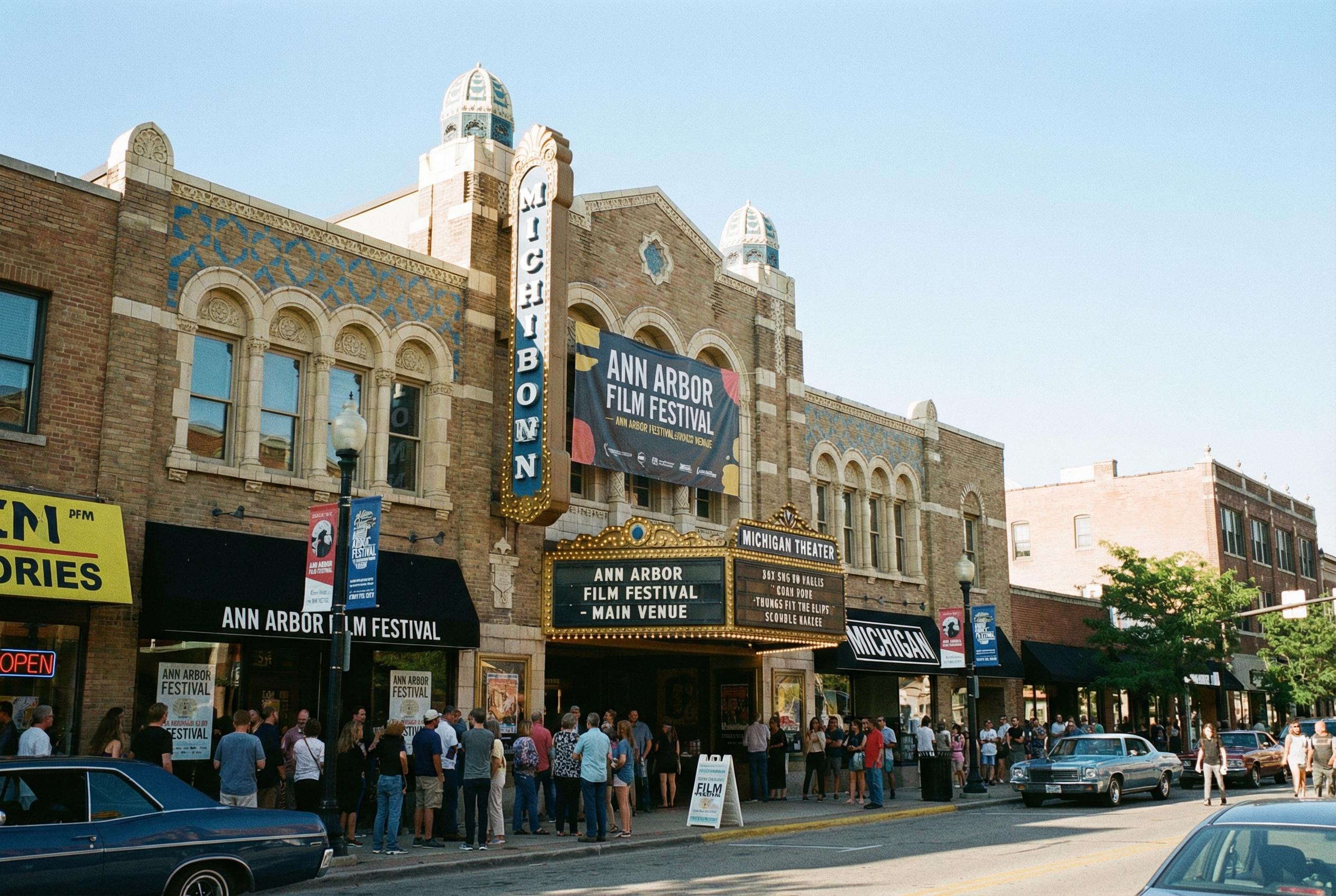
Shoppers and cinephiles are turning their March calendars toward Ann Arbor: the 64th Ann Arbor Film Festival runs March 24–29, celebrating the 25th anniversary of Out Night and a rich legacy of experimental queer cinema that still feels urgent and immediate. This year's programme mixes retrospectives, new work and Oscar-qualifying competition stakes, so plan which nights you won't miss.
Essential Takeaways
- Anniversary milestone: Out Night marks its 25th year within the 64th Ann Arbor Film Festival, running March 24–29.
- Historic festival: The festival is the world's oldest experimental film competition and an Academy Award-qualifying event.
- Retrospective highlights: A special Sunday programme revisits six past LGBTQ+ award-winners, curated by Abigail Knox.
- New work on show: Thursday's Out Night competition and the week feature films on identity, ageing, chosen family and the current challenges facing trans communities.
- Local legacy: The Aut Film Award, endowed to continue in perpetuity, recognises the best LGBTQ+ film in the festival.
Why this year's Out Night feels like a landmark
If you love the satisfying hush of a packed theatre, this year's Out Night arrives with extra warmth and history. The quarter-century anniversary isn't just a number; it signals a sustained commitment to queer experimental films that might otherwise never find an audience. Festival organisers have leaned into that lineage by programming old favourites alongside fresh voices, so the evening feels both celebratory and urgent.
Backstory matters here: Out Night began as a community effort and quickly became an anchor for queer artists and viewers. That grassroots energy still shows, audiences and donors helped create an endowment to keep the Aut Film Award funded, a move that turns a local tradition into a durable legacy.
What to see: retrospectives and new films that stick with you
The Sunday retrospective, curated by Abigail Knox, brings six past award-winning films back into the light, offering a rare chance to see experimental work in a communal setting. If you've ever watched an artist reframe a small, intimate detail into a seismic emotional moment on screen, you know why these programmes matter.
Across the week you'll find documentaries and fiction that range from the tactile to the formally daring. Highlights include a documentary portrait of Barbara Hammer, a Sundance-winning animation about coming out and loss, and a short with a glittery, unexpected premise that still lands emotionally. These are films that reward attention; bring a notebook or go with friends to swap reactions afterwards.
The Aut Film Award: a local story with national reach
Keith Orr and Martin Contreras, longtime advocates in the Ann Arbor queer community, helped found and sustain Out Night, and their Aut Film Award has become a meaningful marker within the festival. They built an endowment so the prize will persist beyond their active involvement, which matters in a small arts economy where continuity is fragile.
That award doesn't just hand out money; it signals to filmmakers that experimental LGBTQ+ storytelling is valued and visible. In an era when many films launch on streaming with little fanfare, festival recognition like this still opens doors.
Representation beyond the one-night slot
Festival director Leslie Raymond has been clear that LGBTQ+ work isn't consigned only to Out Night. The festival programmers ensure queer perspectives appear across other competition blocks, which helps normalise these voices instead of ghettoising them.
That's a useful model for other festivals: showcase identity-focused programmes while weaving representation into the main slate. Practically, it means if you only pick one night to attend, you'll still encounter queer work elsewhere in the schedule.
How to plan your visit and get the most from the week
First, check the festival schedule online and book tickets early for Out Night and the Sunday retrospective, as those programmes sell fast. If you're local, consider volunteering or joining a fundraiser event to support the festival's community programmes; small donations and ticket purchases directly sustain awards and future screenings.
Bring comfortable shoes and plan for post-screening conversation, many attendees like to linger and unpack a film over coffee. And if you're new to experimental cinema, choose a mix of short and feature programmes to ease in: shorts give quick, intense bites of form and feeling, while features allow ideas to breathe.
It's a small change that can make every screening feel like an event.
Source Reference Map
Story idea inspired by: [1]
Sources by paragraph: