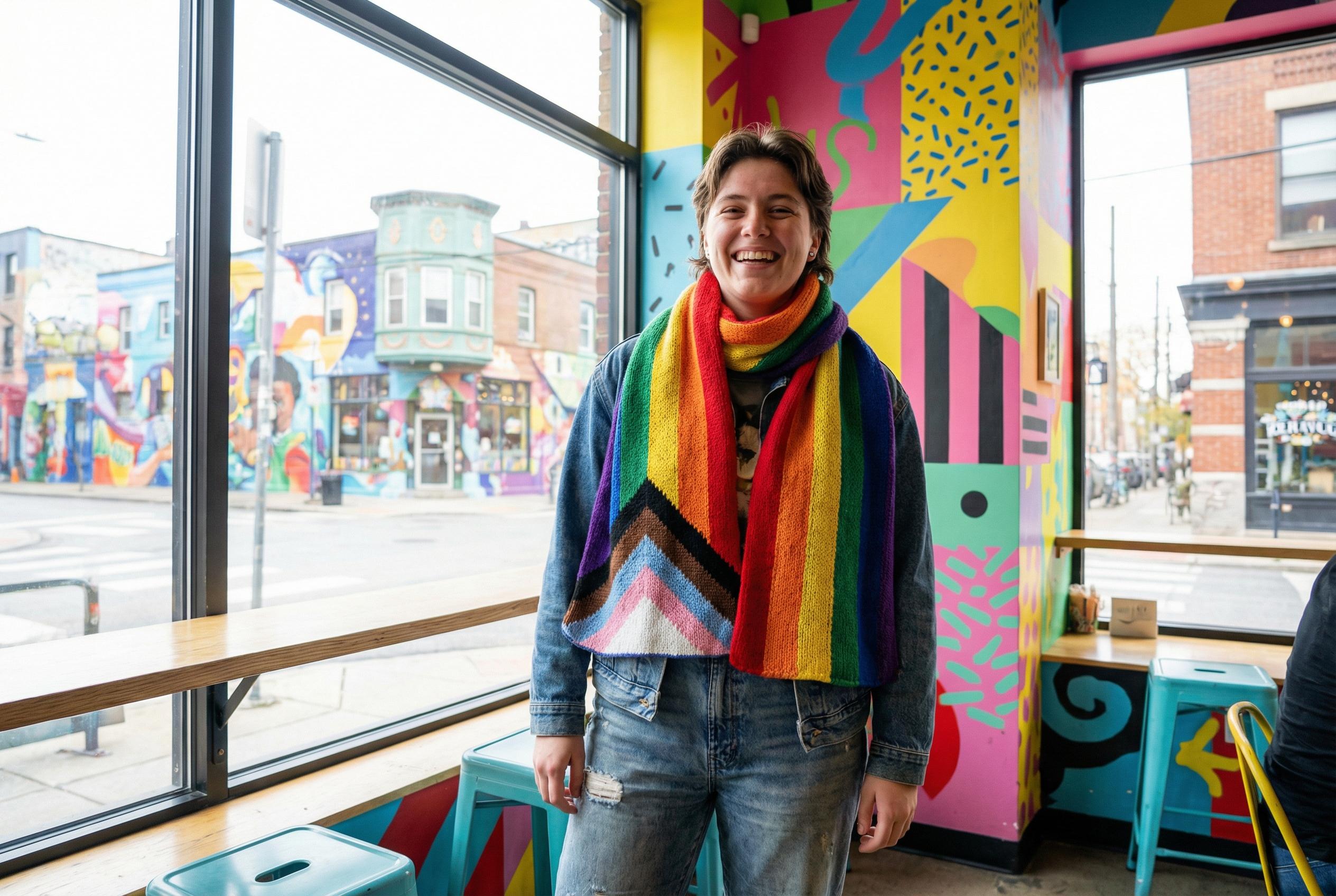
Notice how connections change everything: young 2SLGBTQI people are turning to friends, mentors and community groups to protect their mental health, find belonging, and get practical help , here’s how to build a trusted network that actually works.
- Peer empathy matters: Friends who understand identity and lived experience offer daily emotional safety and reduce feelings of isolation.
- Mentors add perspective: Trusted adults provide guidance, resources and advocacy, often smoothing access to services.
- Safe spaces feel tangible: Groups and organisations create predictable, low-pressure environments that are calming and reparative.
- Practical benefits: A network helps with crisis planning, accessing mental-health care, and navigating school or family conflicts.
- Choose with care: Look for consistency, respect for identity, and a willingness to listen , it’s about safety as much as support.
Why connections are the first line of mental-health defence
Young people who feel seen and supported report lower anxiety and fewer suicidal thoughts, and that feeling often starts with everyday relationships that are steady and kind. According to health organisations that study 2SLGBTQI mental wellness, knowing even one person who affirms your identity changes how you cope with stress and discrimination. So the first step is simple and human: notice who in your life makes you feel calmer, less judged and more yourself, and make space for more of those people.
Build relationships around safety and predictability, not just similarity. You want friends who will stick around when things are hard, and mentors who keep appointments and follow through. Practical tip: test trust with small disclosures first , share something low-risk and see how they respond before opening up about more sensitive things.
Where to find mentors who actually help
Mentors can be teachers, youth workers, older community members or professionals who know the local resources and systems. The most useful mentors do three things: listen without rushing to fix, model healthy boundaries, and help connect you to services when needed. Organisations and health services for 2SLGBTQI communities often run mentorship programmes or can recommend vetted adults.
If you’re unsure where to start, ask local and national groups for referrals, or look for programs that require background checks and training. A good mentoring match is one that respects your autonomy and identity, so it’s fine to try a different mentor if the first one doesn’t fit.
Peer groups and community spaces that actually repair
Shared experience is powerful , peer groups give you a place to practise language about your identity, swap survival tactics, and feel the normalcy of being two people in the same room. Community centres, online forums moderated by charities, and local support groups offer different textures: some are social and relaxed, others are structured and skill-building.
When choosing a group, note the vibe: is it welcoming, moderated, and clear about confidentiality? Practical safety tip: in mixed or public settings, consider bringing a friend or checking meeting policies beforehand to protect privacy and reduce anxiety.
Practical supports: navigating services, crises and systems
A network isn’t just emotional; it’s practical. Knowing who can help with GP referrals, mental-health appointments, legal advice, or school advocacy makes a crisis less devastating. Trained mentors and community organisations often know where to find gender-affirming care, counselling, or emergency help and can advocate on your behalf.
Write a simple support plan: list two trusted people to call, one local organisation, and one professional contact. Keep it on your phone and share with someone you trust. That small kit can make big differences when stress peaks.
Barriers people face , and how to work around them
Not everyone has immediate access to welcoming adults or safe groups, and stigma at home or school can block attempts to connect. In those cases, online communities run by reputable charities and moderated platforms can offer interim support. Local health services and community mental-health organisations often provide low-cost or sliding-scale counselling and can help with confidentiality concerns.
If safety is an issue, prioritise anonymity and professional support. Hotlines and text services run by established 2SLGBTQI organisations can be lifesaving, and they’ll help you plan next steps when in-person support isn’t possible.
How to keep a support network healthy over time
Relationships shift, people move and needs change , a good network adapts. Keep checking in with the people you rely on, express gratitude, and be ready to set boundaries when someone’s capacity changes. Also, consider giving back when you can: peer support benefits both sides and builds community resilience.
Think of your network as a living thing that needs tending: update your list of contacts, try new groups, and keep looking for mentors who reflect your evolving goals.
It's a small change that can make every day feel more manageable and hopeful.
Source Reference Map
Story idea inspired by: [1]
Sources by paragraph: