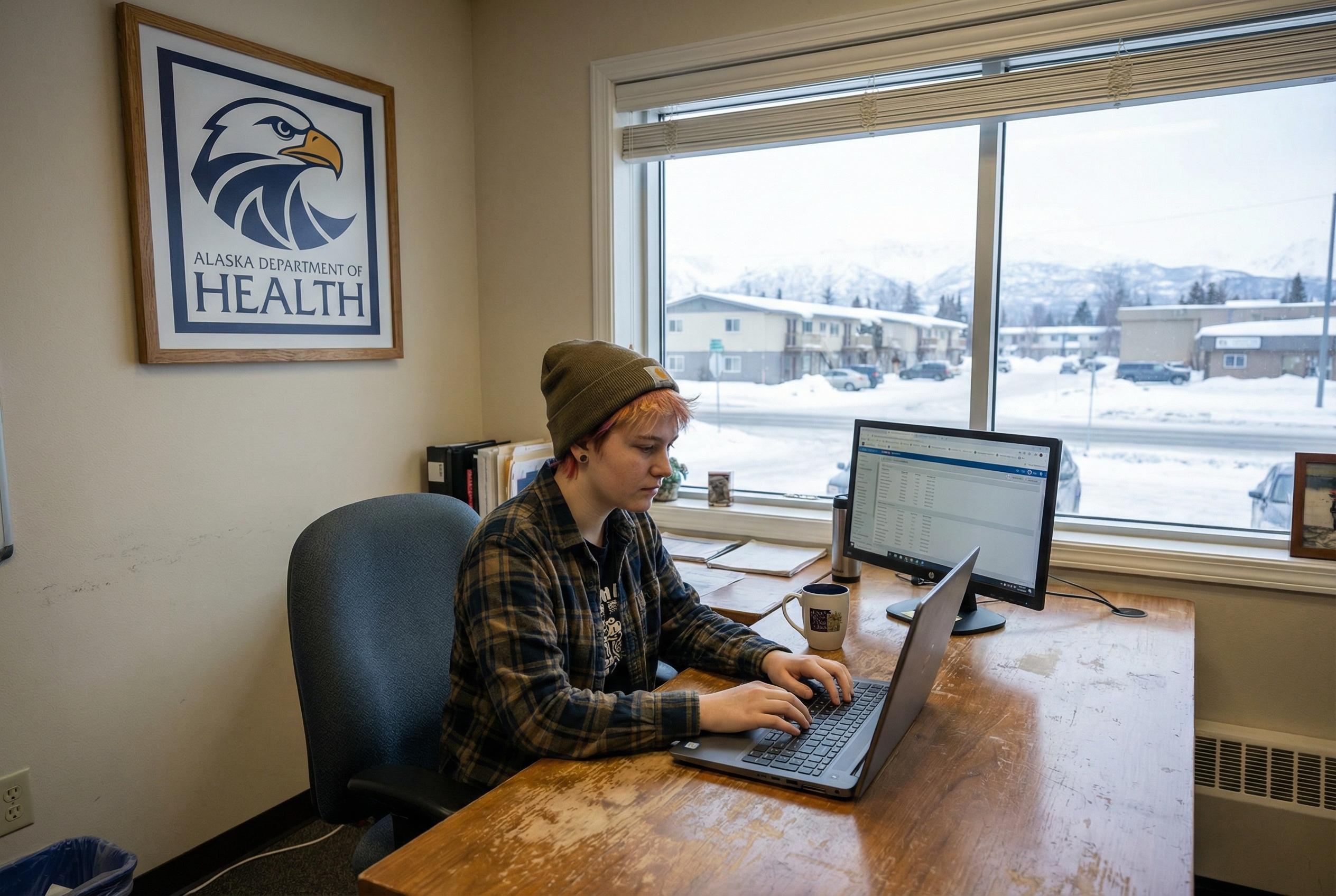
Shoppers of ideas are turning to young people themselves: Alaska’s health department is recruiting LGBTQ and nonbinary teens, ages 14–21, as paid advisors to help shape youth health programmes and public policy , a move that matters because lived experience can change what priorities get funded.
Essential Takeaways
- Paid participation: Youth advisors are offered up to $16 an hour for their time and insights, making participation accessible and compensated.
- Targeted recruitment: The call seeks youth with “lived experience,” explicitly listing LGBT+ and nonbinary identities alongside rural residence, caregiving, disability and foster care.
- Program role: The advisory group helps advise the Adolescent Health Program and community partners on campaigns, interventions and survey design.
- Practical impact: Involving diverse teens can alter what questions get asked in statewide surveys and which education or prevention efforts are prioritised.
- Visibility and debate: The recruitment has drawn attention because it highlights identity-based outreach in public-health planning.
What the outreach says and why it feels different
Alaska’s health department has put out a call for youth advisers who bring “lived experience,” and that list explicitly includes LGBT+ and nonbinary teens. The wording signals an intentional effort to centre identities that have historically been underrepresented in policy conversations, and the addition of pay , up to $16 an hour , makes it clear the state expects real labour and expertise rather than token input. For many young people, being asked to share their experiences feels validating; for others it raises questions about how those experiences will be used.
A bit of backstory: how youth input has shaped state work
The Youth Alliance for a Healthier Alaska has advised the Adolescent Health Program since 2009, offering ideas for publicly funded campaigns and interventions aimed at teens. Recruiting advisors from a wider range of backgrounds is part of a broader trend in public health: officials want feedback from those most affected to design realistic, relevant programmes. That matters because the topics chosen for surveys or education drive where resources go and which behaviours are studied or supported.
Why survey questions and school programmes are on the line
When teens are involved in shaping questions for statewide surveys or content for education campaigns, their input can change the scope of what’s measured and taught. Critics and supporters both note that the way a question is framed determines who gets counted and what problems appear to be most urgent. Including LGBTQ- and nonbinary-identifying advisors could lead to questions or programmes that better reflect diverse experiences, but it also prompts debate about age-appropriate content and parental roles. Policymakers will need to balance inclusivity with transparency about how findings are used.
Practical tips for parents, teens and community groups
If you’re a parent wondering whether to encourage your teen to apply, start by asking what the role entails: how long meetings run, what topics will be discussed, and how confidentiality is handled. Teens interested in applying should highlight concrete experiences , for instance, navigating healthcare or school systems , and ask about accommodations if they live in rural areas. Community organisations can offer support by helping with applications, providing safe meeting spaces, or offering digital access so rural youth can participate.
Where this fits into wider trends in public health engagement
Across the US, health departments are increasingly paying community members for advisory work and aiming to include historically marginalised voices. Bringing nonbinary and LGBTQ youth into advisory roles is in step with that shift, reflecting an emphasis on equity and representation. Expect continued debate about the scope of questions and programmes that arise from these groups, and watch for how the state reports and acts on their recommendations.
It's a small change that can make the state’s youth health work feel more grounded in actual experience , and not just theory.
Source Reference Map
Story idea inspired by: [1]
Sources by paragraph: