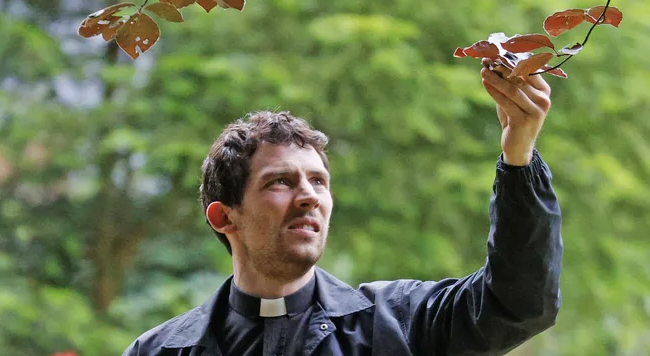
A new wave of fascination with the figure of the priest is sweeping through popular culture, and leading this renaissance is British actor Josh O’Connor. Known for his roles in productions like Emma, O’Connor now plays Father Judd Duplenticy in Wake Up Dead Man: A Knives Out Mystery, the latest chapter in Rian Johnson’s acclaimed franchise. While O’Connor's character might not wear the classic 'hot priest' label quite as conspicuously as Andrew Scott’s revered portrayal in BBC’s Fleabag, his presence in a clerical collar has nonetheless ignited plenty of admiration online, with viewers drawn to his quiet charisma and nuanced performance.
O’Connor’s own background adds layers to his portrayal. Raised in the Irish Catholic tradition, he once served as an altar boy until a youthful smile landed him in trouble. Now, as he discusses his current spiritual stance, O’Connor identifies as agnostic, open to belief in something undefined, whether that’s humanity, nature, or something else entirely. This blend of introspection and ambiguity appears to inform his character’s moral complexities, as seen through the lens of Johnson’s film, which delves deeply into themes of faith, guilt, and redemption. The director himself has noted the personal influences that shaped the narrative’s exploration of spirituality.
Working alongside Andrew Scott, who reprises his status as the archetypal charming cleric in Wake Up Dead Man, O’Connor finds himself in compelling company. Scott’s role builds on the acclaim he earned in Fleabag, where his portrayal transformed the 'hot priest' into a cultural phenomenon. Their on-screen dynamic contrasts O’Connor’s tattooed, ex-boxer-turned-priest with Scott’s character, bringing fresh tension and depth to the narrative. The actors have spoken candidly about this collaboration, with O’Connor describing working with Daniel Craig, yet another star in the film, as "a dream come true," highlighting the collaborative energy maintained throughout the shoot.
This pop culture moment coincides with an enduring, if less widely publicised, tradition in Rome, the Calendario Romano. For over twenty years, this annual calendar has featured actual priests in photographic portraits that combine charm with historical notes about Vatican City. The 2026 edition continues this blend of faith and visual appeal, symbolising how fascination with the clerical figure extends beyond fiction and into real life, blending reverence with a touch of playful admiration.
Beyond entertainment, stories of faith and identity continue to evolve within the Catholic community. One striking example is Gio Benitez, a Good Morning America anchor who recently confirmed his Catholic faith openly as a gay man, supported by his husband. Celebrated within an LGBTQ+ affirming ministry in Manhattan, Benitez credits figures like the late Pope Francis and Jesuit priest James Martin for helping him feel seen within the church. This intersection of spirituality and LGBTQ+ identity signals a significant cultural moment, reflecting a growing acceptance and nuanced understanding within religious contexts.
Together, these threads, Josh O’Connor’s captivating priest role, Andrew Scott’s enduring clerical charm, the tradition of the Calendario Romano, and real-world stories of faith and queerness, suggest a society increasingly willing to engage with complex, multifaceted portrayals of belief. Perhaps the 'hot priest' renaissance is less about glamorising religion than it is about recognising the human, often contradictory, stories that clerical figures represent in modern life. Source: Noah Wire Services