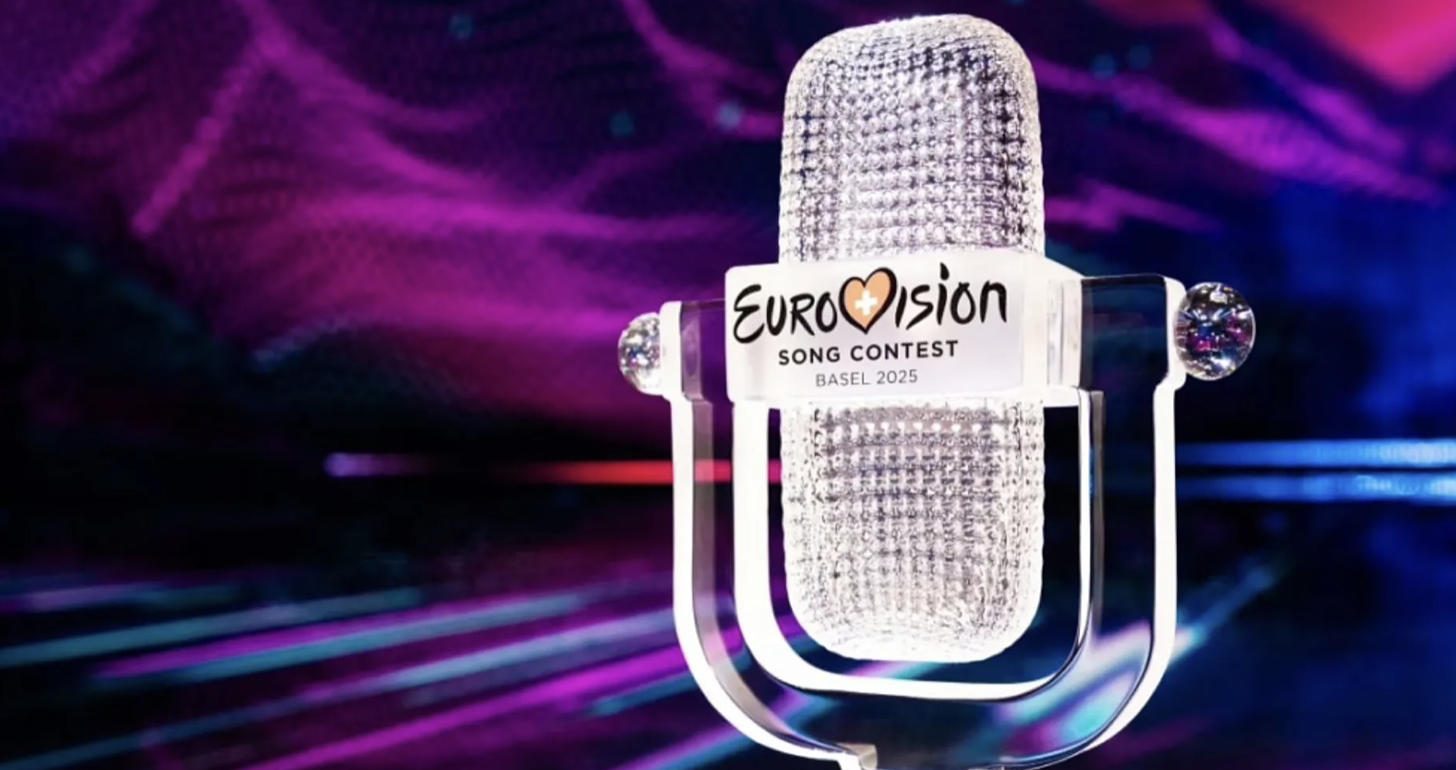
Charlie McGettigan, the Irish singer and songwriter who secured victory at the 1994 Eurovision Song Contest, has announced his intention to return his winner’s trophy in protest against Israel’s continued participation in the upcoming 2026 competition.
McGettigan, best known for his collaboration with Paul Harrington on the song Rock 'n' Roll Kids, revealed his plans after fellow artist Nemo, the 2023 Eurovision winner, also declared their intent to return their trophy in protest. Nemo stated that their decision was driven by concerns over Israel’s ongoing participation amid international reports of human rights violations.
Expressing solidarity with Nemo, McGettigan explained that he would send his trophy to the European Broadcasting Union (EBU), the organisation responsible for orchestrating Eurovision. Although he admitted that his victory predates the modern trophy era, since he received his accolade in 1994, he indicated he would search for his original award to send it to the EBU, should he locate it.
'I was approached by Nemo online, and they shared their reasoning very sincerely and thoughtfully,' McGettigan said. 'Their perspective really resonated with me, and in support of their stand, I’ve decided to return my trophy as well.'
Nemo’s statement, posted on Instagram, cast doubt on the contest’s underlying values. 'Eurovision aims to promote unity, inclusion, and dignity for all,' they said. 'Yet Israel’s continued participation, especially during a period when the UN's Independent International Commission of Inquiry has concluded that acts amounting to genocide are occurring, demonstrates a clear discrepancy between the contest’s ideals and its real-world decisions.' They further criticised the EBU’s stance, suggesting that the event’s organisational choices have become incongruous with its foundational principles.
In light of these developments, five European broadcasters, Ireland, Spain, the Netherlands, Slovenia, and Iceland, have announced their intention to boycott the 2026 Eurovision Song Contest, scheduled to take place in Vienna in May. The move marks the most significant withdrawal in the competition’s history, signalling widespread discontent.
Adding to the controversy, numerous former Eurovision participants and critics have voiced support for the boycott, citing double standards in the organisers’ treatment of Israel compared with Russia’s expulsion in 2022. Many argue that the contradictions cast a shadow over the contest’s commitment to its core values and question whether the EBU is capable of upholding the inclusivity and dignity it espouses.