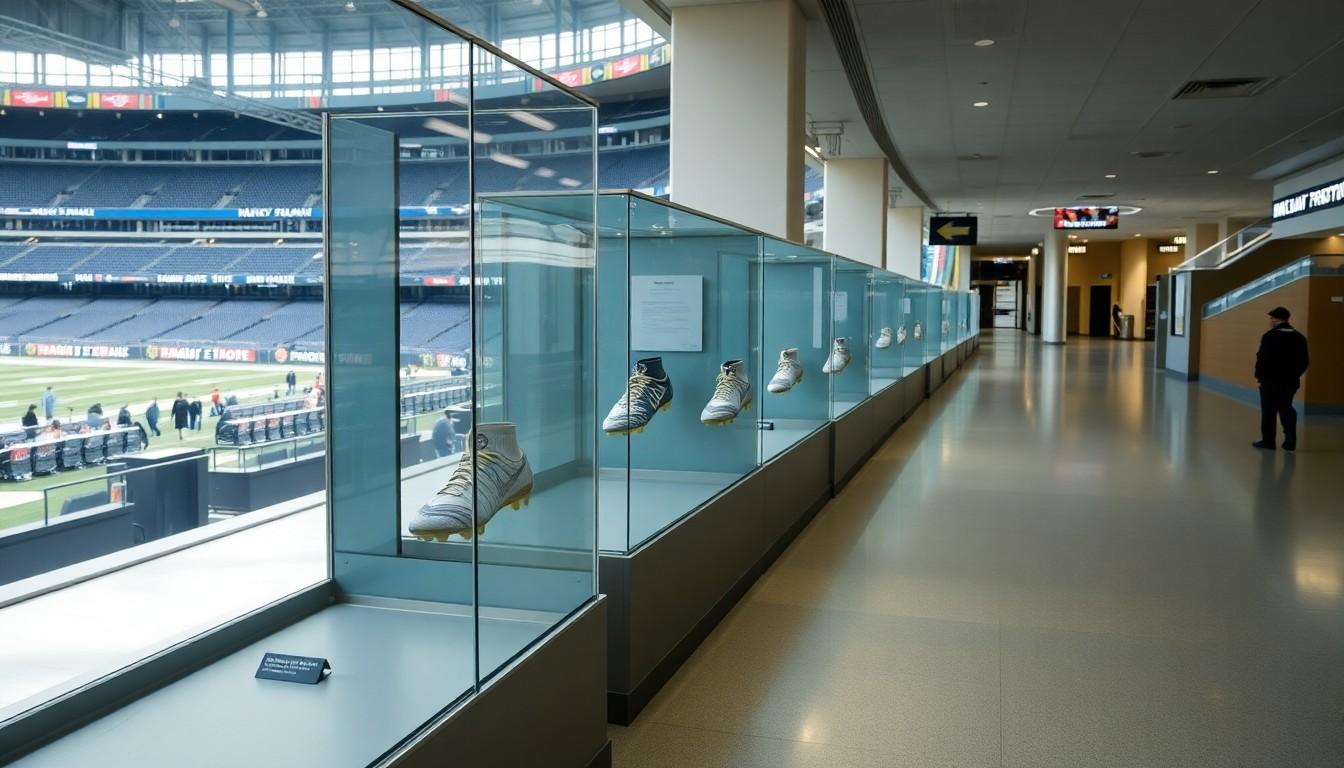
A row over NFL players’ My Cause My Cleats selections has put Christian charities and LGBTQ inclusion in the spotlight. Outsports criticised players who chose organisations including the Children’s Hunger Fund and the Fellowship of Christian Athletes, while the charities’ own statements help explain what lies behind the disagreement.
Essential Takeaways
- A player-led campaign: My Cause My Cleats lets NFL participants use custom footwear to highlight causes and non-profits they support.
- Ten players were named: The Post Millennial reports that Outsports criticised ten players’ charity choices.
- Purdy’s charity drew attention: Brock Purdy selected the Children’s Hunger Fund, whose beliefs page defines marriage as the union of one man and one woman.
- FCA was also discussed: The Post Millennial names four players it says supported the Fellowship of Christian Athletes.
- Different sources offer different perspectives: The charities explain their own missions, while Outsports sets out why it scrutinises some players’ selections.
A charity choice became the story
A pair of custom cleats is meant to put a cause in view. But the choices made by NFL players for My Cause My Cleats have also become a point of public disagreement, after Outsports criticised selections connected to Christian organisations.
The Post Millennial reported that Outsports identified ten players and characterised their chosen organisations as anti-LGBTQ. One was San Francisco 49ers quarterback Brock Purdy, who selected the Children’s Hunger Fund. The league describes the campaign as a way for players, coaches and staff to spotlight causes and non-profits they support. [2][5][7]
Why Brock Purdy’s selection drew scrutiny
The Children’s Hunger Fund’s official beliefs page sets out its Christian commitments and ministry priorities. It also says the organisation understands marriage as the exclusive union of one man and one woman, and that sexual intimacy belongs within marriage as it defines it. [4]
That statement provides context for why Purdy’s selection became part of the debate. It confirms the charity’s stated belief; it doesn’t, by itself, settle broader claims about how the organisation treats LGBTQ people or whether a particular legal definition of discrimination applies. Those are separate questions from what the charity says it believes. [4]
The disagreement extends beyond one player
The Post Millennial also names the Fellowship of Christian Athletes and Young Life among the organisations discussed by Outsports. It lists Swayze Bozeman, Riley Patterson, Julian Ashby and Case Keenum as players supporting FCA, and says Jets backup quarterback Cade Klubnik chose Young Life. [2]
FCA describes its mission as leading coaches and athletes into a growing relationship with Jesus Christ, and its public materials set out its statement of faith. That gives readers the organisation’s own account of its religious purpose, rather than an independent assessment of the claims made about it in the controversy. [6]
Outsports explains its scrutiny
In commentary about a separate player’s FCA choice, Outsports founder Cyd Zeigler argued that the organisation’s positions matter to LGBTQ inclusion in sport. He also discussed the reactions the outlet received and distinguished criticism of an organisation from criticism of Christians generally. [3]
That perspective helps explain why Outsports focuses on the charities players choose. It’s also worth keeping the sources’ roles clear: Outsports presents its case for scrutiny, the charities describe their own beliefs and missions, and the NFL explains the campaign as a platform for charitable causes. [3][4][6][7]
What My Cause My Cleats is for
The campaign site describes My Cause My Cleats as a player-led programme in which NFL participants wear custom footwear to spotlight causes and non-profit organisations that matter to them. The NFL says the initiative began in 2016 and is intended to help participants raise awareness and advocate for causes. [5][7]
For readers weighing the debate, it helps to separate a player’s choice, a charity’s stated beliefs and a publication’s criticism of that choice. They’re related, but they aren’t interchangeable. The cleats draw attention to a cause; the conversation around them can raise much bigger questions about faith, inclusion and public support. [2][3][4][5][6][7]
A charitable choice can be personal, but once it’s on the field, it becomes part of a wider conversation.
Source Reference Map
Story idea inspired by: [1]
Sources by paragraph: