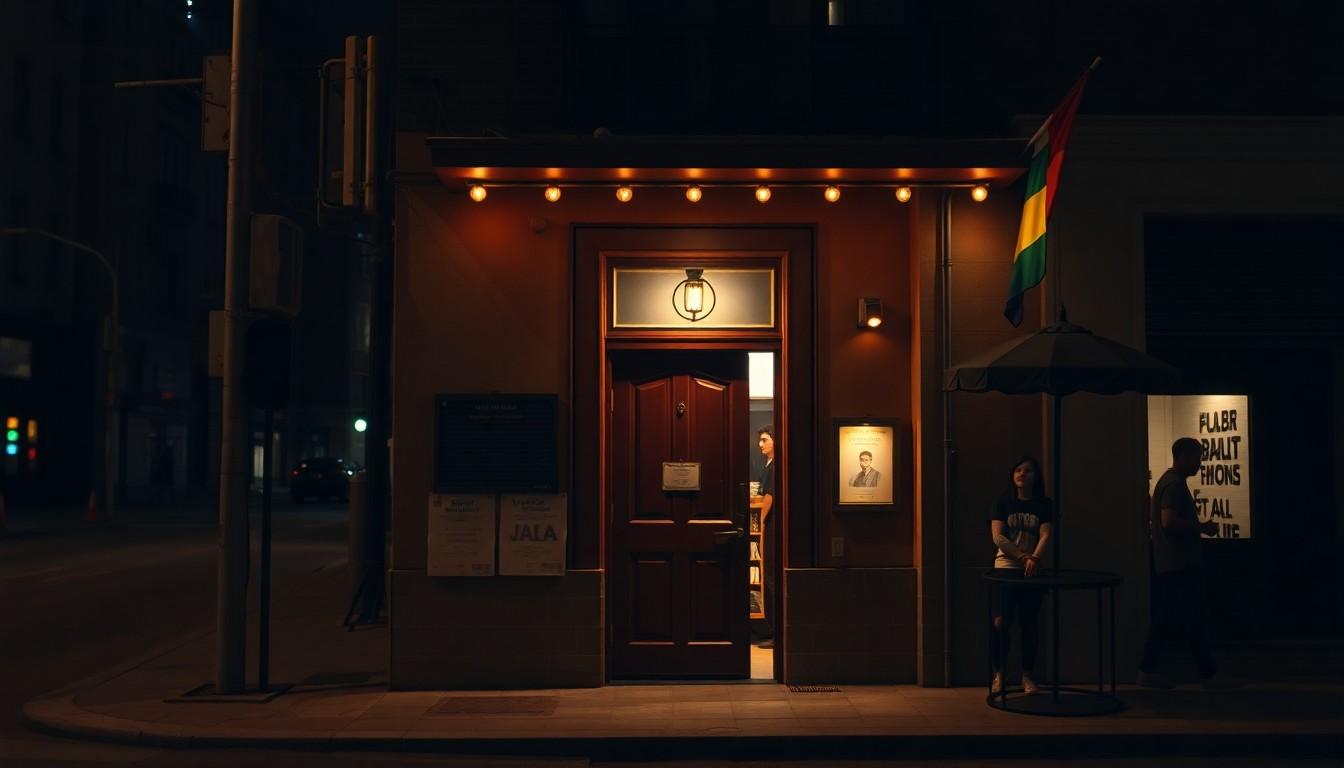
Before dating apps and social media, gay clubs in La Plata, Argentina, offered LGBTQ+ people places to meet, dance and feel less alone. From the early venues of the 1990s to later dance floors and performances, their history is also a story of belonging, discreet social codes and the changing rules around nightlife.
Essential Takeaways
- More than nightlife: Clubs offered places to meet, find affection and build community before dating apps became widespread.
- A changing scene: The venue timeline runs from Groucho, which opened in 1992, to Alaska, which operated from 2022 to 2025.
- Belonging mattered: Back was remembered as a rare meeting place for gay, lesbian, trans and other queer people.
- The rules kept shifting: Provincial restrictions on nightlife hours arrived in 1996, while proposed new limits prompted debate in 2009.
Before the apps, the dance floor was the meeting place
A darkened dance floor, a familiar face and a little courage: for many LGBTQ+ people in La Plata, clubs offered a way to meet others before social media and dating apps became everyday tools. EL DIA’s history of the city’s gay nightlife describes these venues as places to find affection and community, not simply somewhere to dance.
The past wasn’t free of fear. EL DIA recalls that older patrons who remembered police raids warned younger people to carry identification. That advice hints at how even a night out could carry the weight of an earlier, more dangerous experience.
From chat rooms to a crowded room
The early 2000s brought online options, including La Plata Vive, a local website and community chat. Yet EL DIA’s account makes clear that screens didn’t replace the pull of meeting in person, where a glance or a conversation could turn a night into something memorable.
The discreet social world extended beyond the clubs themselves. EL DIA describes invitations and free passes moving through friends, acquaintances and trusted businesses, rather than through the more public networks used elsewhere in the city. That private route offered connection, but also reflected the need for discretion.
Back and the venues that made a scene
Back, which operated from 1996 to 2000, was one of the venues that gave La Plata’s queer community room to gather. Feminacida’s feature recalls its dance floor, performances and events, and describes it as a place where gay, lesbian, trans and other queer people of different ages could meet. Daniel Bebilacqua helped reopen the club after earlier venues Groucho and Onda had closed.
EL DIA’s broader timeline maps a changing scene across the city, from Groucho in 1992 to Alaska, which operated from 2022 to 2025. Among its best-known names were Deeper, Juana and Hogans. The list is more than a set of addresses: it marks how people kept finding places to gather as venues opened and closed.
A night out shaped by rules and restrictions
Nightlife also had to contend with changing regulations. A provincial decree issued in 1996 set closing times for discotheques, dance halls and similar venues, including 3am from April to November and 4am from December to March. Feminacida recalls the restrictions, along with police controls and fines, as practical pressures on Back and the wider club scene.
In 2009, a proposed provincial law to require clubs to close at 5.30am brought operating hours back into the debate. Contemporary reporting by Diario C describes the proposal and the arguments around nightlife, safety and alcohol sales. La Plata’s municipal nightlife code, adopted in 2011, later set out rules for entertainment venues, including licensing, operating requirements and sanctions.
The shows that made the clubs more than clubs
Performances helped give the scene its own character. EL DIA recalls Flor de la V appearing at Deeper, while Las Abbas, the transformist duo formed by Javier Cardini and Julio Piteck, became a fixture in the local nightlife story. Their shows combined bright costumes, diva-inspired looks and sharp, improvised humour.
Feminacida also describes drag and transformist performances as part of Back’s cultural life, alongside dancing and special events. And a personal account published by Infoblancosobrenegro offers a wider glimpse of the period, recalling how same-sex partners could be described indirectly and how encounters with police could inspire fear. Together, those memories show why the dance floor could feel like more than a night out: it was a place to be among people who understood.
Remembering La Plata’s LGBTQ+ clubs means remembering the people who made space for one another, one night at a time.
Source Reference Map
Story idea inspired by: [1]
Sources by paragraph: