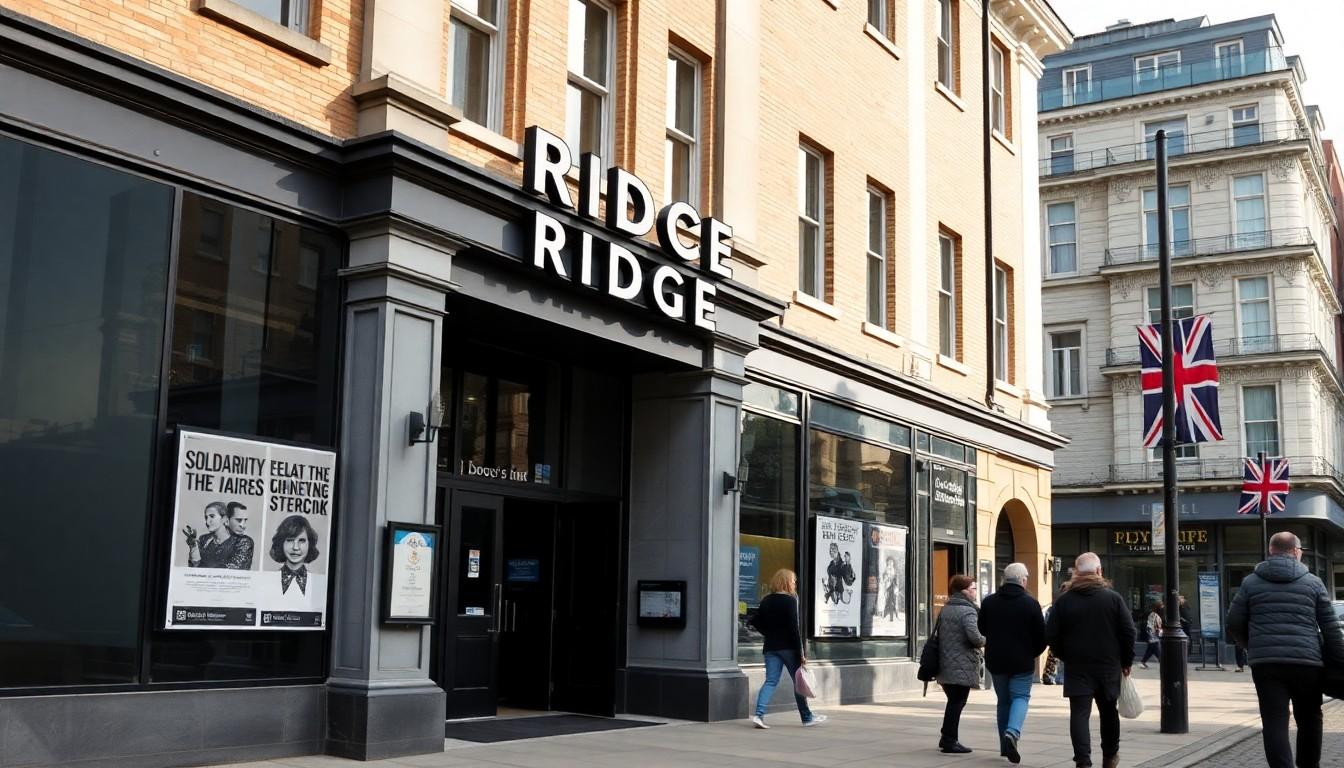
A story born in the 1984 miners’ strike is back on stage in Pride the Musical at London’s Bridge Theatre. It follows lesbian and gay activists who backed striking Welsh miners, and the relationships that grew from that support. The result is more than a tale of past struggle: it’s a lively reminder of what can happen when people stand together.
Essential Takeaways
- A real campaign: Lesbians and Gays Support the Miners, or LGSM, brought London activists and striking mining communities together in 1984-85.
- Support went both ways: The alliance grew through fundraising, shared events and personal contact, not just public gestures.
- The story is now a musical: Pride the Musical adapts the story made familiar by the 2014 film for the Bridge Theatre stage.
- Humour meets history: The production uses comedy, protest songs, disco and Welsh choral harmonies to tell a story shaped by political pressure and personal hardship.
Pride the Musical turns solidarity into a live story
The first thing that stands out about Pride the Musical is the contrast at its heart: London activists arriving in a Welsh mining community, where the two groups have little reason to expect an easy meeting. But the distance between them gives the story its spark. Humour and music bring the groups into contact, while the strike and the hostility faced by gay people give their alliance real weight.
The Bridge Theatre production adapts the 2014 film, which drew on the real campaign by Lesbians and Gays Support the Miners. What unfolds isn’t only a story of one group helping another; it’s about people discovering common ground through the act of showing up. Whatsonstage describes the musical as balancing comedy with the political history behind the relationship.
How LGSM built a bond across communities
LGSM began during the 1984-85 miners’ strike, when gay and lesbian activists organised support for striking workers. In his first-hand account for LGSM, co-founder Mike Jackson describes the campaign’s early meetings, fundraising and growing relationships with miners and their families. The group’s work included the Pits and Perverts Ball, held at Camden’s Electric Ballroom in December 1984.
That history matters because the alliance wasn’t simply symbolic. Jackson’s account describes practical support, shared political concerns and mutual respect developing through meetings and events. The Guardian’s Matthew Warchus also recounts how the activists travelled to a Welsh mining village after the miners’ union initially declined their donations, bringing the support directly to the community.
Songs, jokes and Welsh harmonies carry the history
The musical gives its history a lively sound, moving between pop, rock, disco, protest music and Welsh choral traditions. Whatsonstage notes that the songs often help tell the story rather than simply pausing it for a showpiece. Theatre Weekly also highlights the ensemble approach, with music carrying both the campaign’s energy and the hardships around it.
Comedy helps make the culture clash feel human, not just historical. London Unattached points to the contrast between the flamboyant Jonathan and the more vulnerable Bromley, while “I Miss Disco” turns the activists’ visit to Wales into a lively meeting of different worlds. The laughs don’t erase the serious context; they give the characters room to surprise one another.
Why the story still feels relevant
The show sets the miners’ struggle alongside the campaign for LGBTQ+ liberation, tracing how people facing different forms of hostility found common cause. Warchus’s account of making the film stresses that the alliance developed through direct contact, while Jackson’s history shows the work and relationships behind that connection. That combination keeps the story grounded in real acts of support.
And the bond ran both ways. London Unattached notes that the story ends with miners joining LGSM at Pride, a fitting reminder that solidarity can change who feels welcome in a space. Pride the Musical looks back at a particular moment, but its central idea is simple: people can become allies by listening, turning up and standing together.
A spirited production with plenty to say
The Bridge Theatre’s larger stage gives the ensemble room for choreography and group scenes, according to Whatsonstage and Theatre Weekly. Reviews praise the production’s energy and its ability to mix joy with more painful material, though Whatsonstage suggests some songs could be trimmed. That’s a fair reminder that an ambitious story can sometimes ask a musical to carry a lot at once.
Still, the emotional pull comes from the people at the centre of it: activists, miners and families learning to trust one another. The story doesn’t tidy away the pressures they face, but it leaves space for warmth, wit and a shared chorus. That balance is what makes the production more than a history lesson.
Closing Line
Pride the Musical makes a moving case for the power of turning up for one another.
Source Reference Map
Story idea inspired by: [1]
Sources by paragraph: