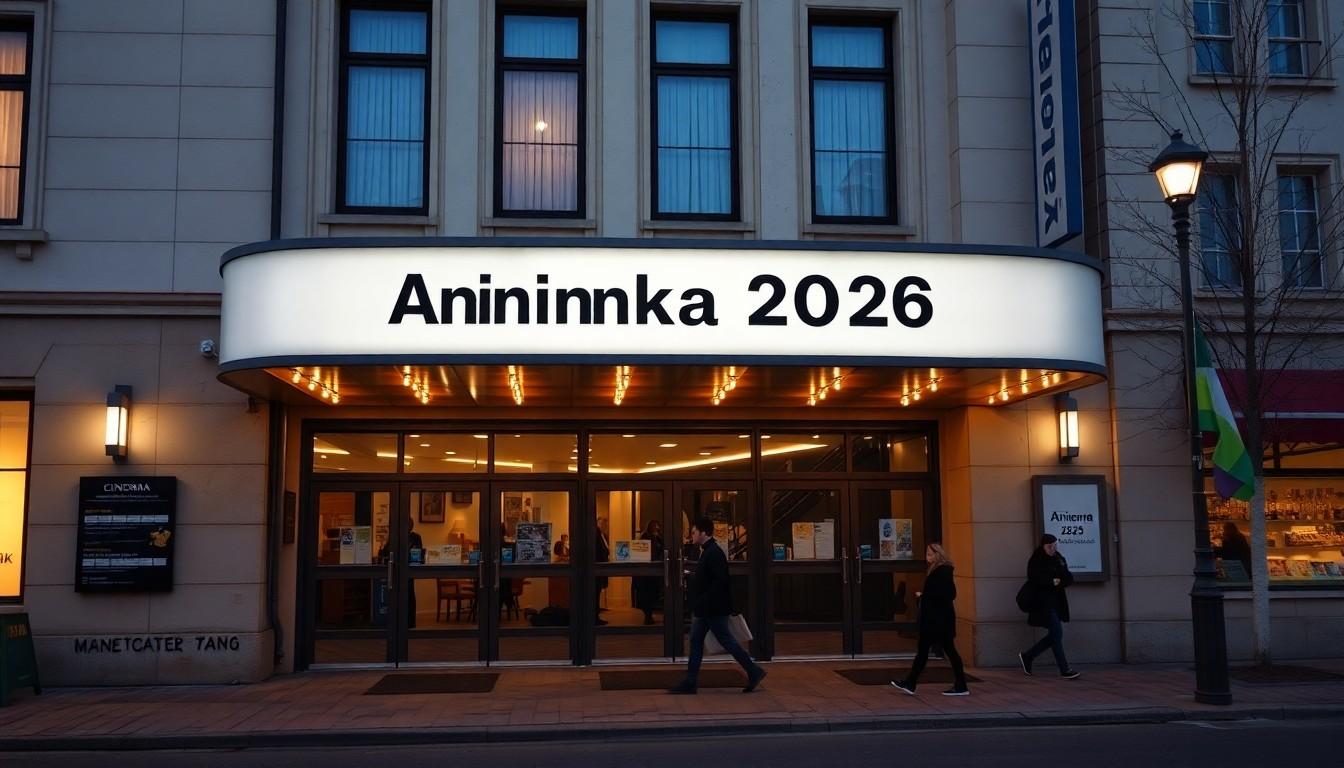
Animation fans are heading to Ljubljana for Animateka, where a wide-ranging film programme brings queer stories, restored cartoons and new work from across Europe into the spotlight. The festival pairs its regional competition with screenings for children, virtual-reality projects and industry events, making it a chance to explore animation well beyond the familiar big-screen formula.
Essential Takeaways
- A broad programme: Animateka’s official listings include competition strands, children’s films, features, virtual reality and restored classics.
- A regional focus: The Main Competition centres on animation from central, southern and eastern Europe.
- Queer stories take centre stage: A four-part retrospective explores queerness in animated film.
- A new look at animation history: The Restored Classics strand features films by Max and Dave Fleischer, including cartoons with Betty Boop, Koko, Bimbo and Superman.
- There’s more than film: The festival also offers children’s activities and professional-development events.
Queer animation takes the spotlight
A festival programme can do more than line up films; it can give audiences a fresh way to look at the medium. Animateka’s four-part retrospective, Queerness in Animated Film, explores LGBTQIA2S+ stories and representation, with screenings grouped under themes including history, pride and gender.
The Slovenian Cinematheque describes the selection as a look at pride, history and challenges to restrictive ideas about gender. That gives the retrospective a clear point of view, while the format leaves room for different kinds of films and perspectives.
Animateka’s official listings also include To Gaza with Love: A Global Anijam, a separate solidarity-themed selection. Together, these strands show how the festival makes space for animation that engages with identity and current concerns, alongside work chosen for its style or craft.
A regional competition with a wider reach
The Main Competition focuses on animation from central, southern and eastern Europe, while other strands bring in student films, children’s shorts and virtual-reality works. The official programme’s range makes the competition one part of a larger picture, rather than a single route through the festival.
For the competition, organisers reviewed 1,032 submitted animated shorts across four categories: the Main Competition, European Young Talents, the Elephant children’s competition and VR. That’s a sizeable selection process, and it helps explain why the programme is divided into distinct strands.
The format is useful for viewers, too. If you’re keen on regional animation, start with the Main Competition; if you’re bringing younger viewers, the Elephant programme offers a more direct starting point.
Restored Fleischer cartoons bring a different kind of magic
The new Restored Classics strand turns the clock back to the animation of Max and Dave Fleischer. Its selection includes cartoons featuring Betty Boop, Koko, Bimbo and Superman, bringing a colourful, often surreal corner of animation history into the festival programme.
Animateka’s programme notes describe the films as visually adventurous, with musicality, grotesque humour and a taste for the unexpected. That makes this strand appealing not only to animation buffs, but to anyone curious about how much expressive freedom a short cartoon can hold.
It’s also a pleasing counterpoint to the festival’s newer work. Watching restored films alongside contemporary animation can make the medium feel less like a straight line of progress and more like a conversation across generations.
Features, family films and a virtual reality detour
The feature programme spans films for adults and children, including Jim Queen, Son of a Bitch, Tangles, Olivia and the Invisible Earthquake, Born in the Jungle, Viva Carmen and Iron Boy. The range suggests a festival keen to treat animation as a format for many kinds of stories, rather than a genre reserved for one audience.
Children have their own route through the event in the Elephant programme, which combines film selections with activities. Meanwhile, VR@Animateka offers another way to experience animation, with works exploring subjects including identity, memory and belonging.
For a first visit, it helps to choose by mood as much as by title. A family screening, a themed retrospective and a VR session offer quite different ways into the festival, so checking the official programme and schedule is a sensible first step.
An industry programme alongside the screenings
Animateka also makes room for professional exchange through AnimatekaPRO. The official programme includes the Rise & Shine development workshop, organised with Animafest Zagreb and CEE Animation, while the Slovenian Cinematheque’s festival coverage also highlights professional discussions with filmmakers.
That strand offers a reminder that animation festivals aren’t only places to watch finished films. They can also bring artists and industry participants together around how new projects are developed and supported.
For audiences, the most rewarding plan may be to mix the familiar with the unexpected: a feature, a restored cartoon and one of the more experimental strands. Animateka’s programme gives you plenty of ways to do that.
Explore the official programme and pick a strand that takes you somewhere new.
Source Reference Map
Story idea inspired by: [1]
Sources by paragraph: