Dallas LGBTQ+ Democrats are marking three decades of local organising, from campaign leaflets and door-knocking to elected office. The anniversary puts the spotlight on Stonewall Democrats of Dallas, founded in 1996, and on the volunteers who helped build its place in county politics. Its history also offers a reminder that political change often starts with people willing to knock on a few doors.
Essential Takeaways
- Founded in 1996: Local activists formed Stonewall Democrats of Dallas to organise LGBTQ+ Democrats and allies.
- Campaign work at its core: The group has supported candidates through endorsements, canvassing, fundraising and campaign materials.
- A changing political landscape: Democrats swept Dallas County contests in 2006, amid wider electoral and demographic shifts.
- Representation in local office: The supplied report says Omar Narvaez was elected justice of the peace and would serve alongside incumbent Sara Martinez.
Thirty years of turning up
Politics can look like speeches and election-night results, but Stonewall Democrats of Dallas has built much of its story through the quieter work: walking neighbourhoods, sending mailers and backing candidates. In a 2016 anniversary feature, Dallas Voice described the organisation's growth from a small group into a significant local Democratic organisation.
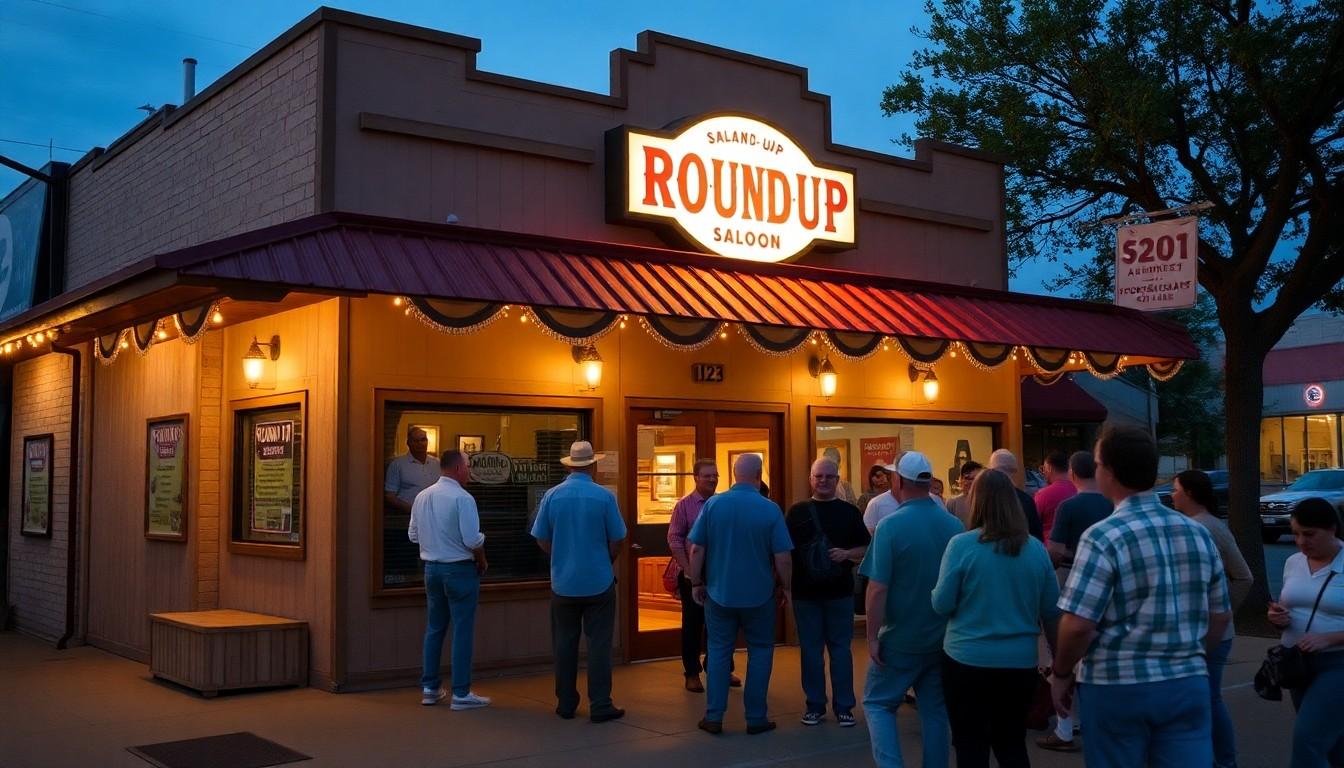
That work is part of the group's 30-year milestone. The supplied anniversary report says members and supporters planned to celebrate at the Round-Up Saloon on Cedar Springs Road. It's a fittingly local setting for a group whose story has been closely tied to Dallas County politics.
A response to local Republican organising
Stonewall's beginnings go back to 1996, when local LGBTQ+ Democrats came together to create an organisation of their own. Its formation followed political activity by the Log Cabin Republicans, including support for a candidate running against Democratic state representative Harryette Ehrhardt, according to The Dallas Way's historical account.
The organisation's own history and the University of North Texas Libraries' archival description also place its founding in 1996 and connect it to the Log Cabin Republicans' local activity. The Dallas Way describes Stonewall's aim as encouraging LGBTQ+ participation in campaigns and helping elect pro-equality Democrats. In other words, it was built not just as a club, but as a way to turn political involvement into practical work.
The 2006 blue shift had wider causes
Stonewall's 2016 anniversary coverage described the 2006 election as a turning point, crediting the group with grassroots campaign support. But the wider picture matters, too. The Houston Chronicle's contemporary report on that year's results pointed to national voting patterns and changing demographics alongside candidate efforts, as Democrats won control of county offices.
That distinction doesn't diminish the value of local organising; it simply gives the story more texture. A campaign group can help volunteers and resources reach candidates, while an electoral shift reflects a broader mix of forces. Stonewall's own historical accounts describe fundraising and campaign support as part of its work from the beginning.
From campaign volunteer to elected official
For some members, the organisation has also been a starting point for public service. In the supplied report, former president Erin Moore describes Stonewall as a place where people worked on campaigns and supported Democratic candidates across Dallas County. Dallas Voice's earlier anniversary feature likewise documents hands-on efforts such as block walking, phone banking, voter registration and donations.
The supplied report says Omar Narvaez, who followed Moore as president, was elected justice of the peace after serving on the Dallas County Schools board and Dallas City Council. It also says he would serve alongside incumbent Sara Martinez. The LGBTQ+ Victory Fund identifies Martinez as a Dallas County justice of the peace and an LGBTQ+ elected official, though that profile doesn't verify the report's claim about the court being the first in Texas with two LGBTQ+ elected officials.
Why the grassroots story still matters
Stonewall's history is a reminder that political participation isn't limited to holding office. The University of North Texas Libraries' collection covers organisational records from 1996 to 2008 and describes members organising and funding campaigns for LGBTQ+-friendly Democrats. The archive offers a documentary trail of the work behind the public milestones.
For anyone looking to understand how local political groups build influence, the practical lesson is simple: sustained effort matters. Endorsements and election results may draw attention, but organising depends on people willing to give time, raise money and help campaigns reach voters. That's not always glamorous work, but it's often where a political story begins.
Thirty years on, Stonewall's story is still written one campaign and one conversation at a time.
Source Reference Map
Story idea inspired by: [1]
Sources by paragraph: