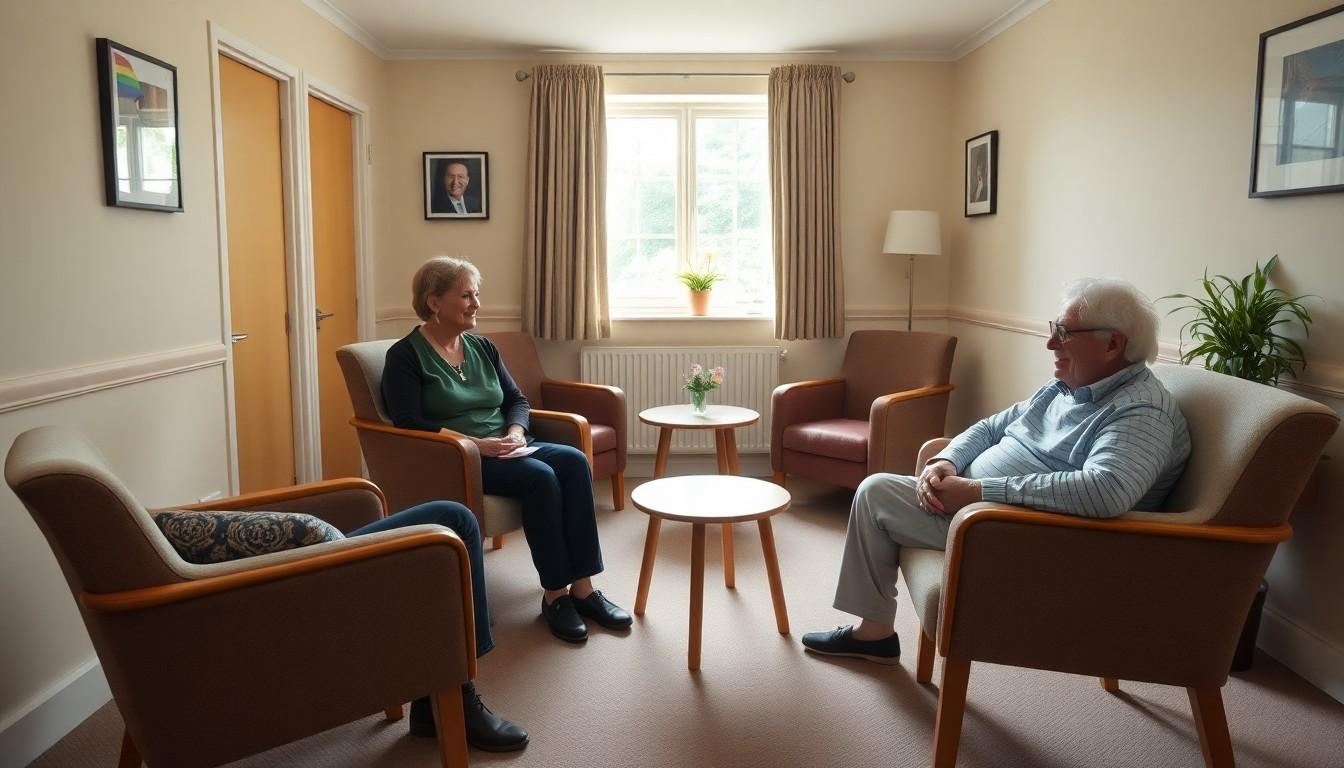
A new LGBTQ+ befriending service at St Wilfrid's Hospice in Chichester offers patients companionship, a listening ear and help finding support. It matters because some people can feel isolated or unsure about approaching healthcare services. The volunteer-led offer aims to make hospice care feel safer and more welcoming, while sitting alongside, not replacing, professional care.
Essential Takeaways
- A listening ear: The service offers emotional support and companionship to hospice patients who identify as LGBTQ+.
- Flexible contact: Patients can connect by telephone, at home or at the hospice.
- Extra help, not clinical care: The befriender can explain hospice services and signpost to further support, but doesn't replace counselling or clinical services.
- Training and boundaries: The volunteer will receive ongoing support, with confidentiality and professional boundaries in view.
A welcoming face, and room to talk
For someone facing a life-limiting illness, feeling understood can matter as much as knowing where to turn next. St Wilfrid's Hospice in Chichester has introduced an LGBTQ+ Befriender Volunteer Service to offer patients companionship and a non-judgemental space to talk.
According to Sussex Express, the service is for hospice patients who identify as LGBTQ+ and is intended to ease isolation and help people feel respected and valued. Contact can happen over the phone, through home visits or at the hospice, giving patients different ways to connect.
Why tailored support can make a difference
The new offer comes against a wider backdrop of barriers to palliative care. A UK Parliament report on end-of-life care describes how LGBTQ+ people can face difficulties at personal, interpersonal and service levels, while isolation or family estrangement may add to the strain of serious illness.
Hospice UK has also highlighted how past discrimination can leave people wary of seeking care or cautious about sharing personal details. Concerns about prejudice, being outed or having relationships misunderstood can make a welcoming environment more than a matter of good manners.
Befriending complements the care already available
The role is designed to sit alongside existing hospice support, not take the place of professional counselling or clinical services. The befriender can help patients understand what St Wilfrid's offers and direct them towards further support when appropriate.
That distinction is useful for patients and families to know: companionship can offer reassurance, while clinical needs remain with the relevant professionals. Marie Curie's guidance on LGBTQ+ palliative care likewise stresses respectful communication and creating space for people to express their identities and wishes.
A practical way to find support
St Wilfrid's says the volunteer can meet patients by phone, at home or at the hospice. If you're interested in the service, ask the hospice about the available arrangements and what kind of contact would suit you; the announcement doesn't give a specific referral process.
The hospice's wider services include support for people with life-limiting illness and their loved ones across different settings. Its services page describes care tailored to individual needs, while its volunteering page shows that volunteers already contribute in a range of roles across the organisation.
Trust grows through small, thoughtful steps
The hospice says the befriender will receive training and ongoing support, with confidentiality and appropriate professional boundaries emphasised. Chief Executive Lois Howell said the initiative reflects the hospice's aim to help people feel welcome and confident accessing care.
It's a modest-sounding offer with a human purpose: making sure someone has a person to talk to, and a clearer route to support when they need it.
A trusted conversation can be a helpful first step towards feeling at home in care.
Source Reference Map
Story idea inspired by: [1]
Sources by paragraph: