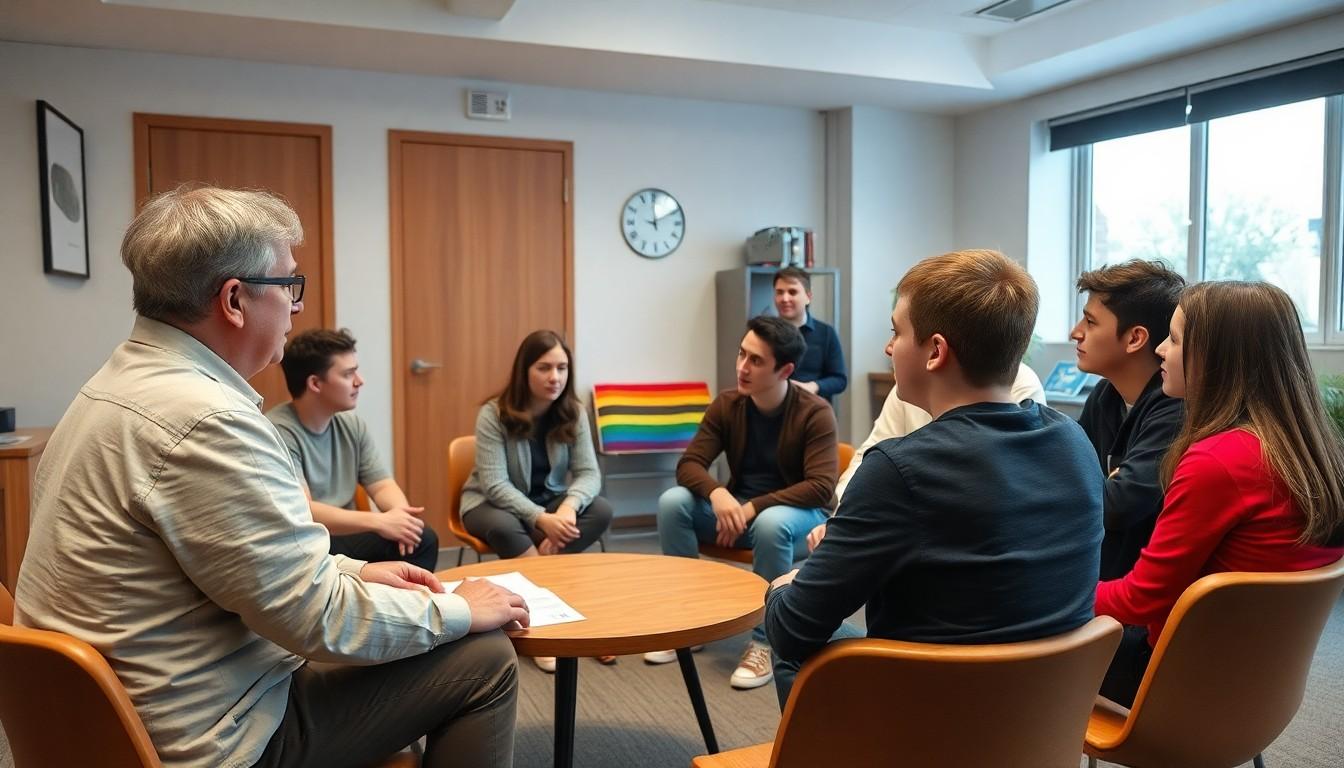
October’s National Bullying Prevention Month is a timely reminder that bullying can affect young people at school and online, and that workplace harassment deserves careful attention too. The numbers are especially concerning for LGBTQ+ youth, but the response needn’t be complicated: notice changes, make it safe to speak up and help people find support.
Essential Takeaways
- Bullying takes different forms: It can be physical, verbal, social or electronic, and young people may be targeted, bully others or experience both roles.
- It’s common among students: The CDC says about one in five high-school students report being bullied on school property, while more than one in six report electronic bullying.
- LGBTQ+ young people face particular risks: The Trevor Project’s 2025 survey found higher reported bullying among LGBTQ+ respondents aged 13–17 than among those aged 18–24.
- Support matters: The CDC identifies connection and support as protective factors, while the Trevor Project survey found lower reported suicide-attempt rates among young people in more accepting communities.
- Workplace mistreatment has legal nuances: The EEOC says not all rude or intimidating conduct meets the legal definition of unlawful harassment.
Bullying isn’t confined to the playground
Bullying can be physical, verbal, social or carried out through technology, the CDC says. Its reach is broad: about one in five high-school students reported being bullied on school property during the previous year, and more than one in six reported electronic bullying.
And the effects can show up in everyday life, not just in how someone feels. The CDC lists possible consequences including anxiety, depression, sleep difficulties, physical injury and lower academic achievement. A sudden change in behaviour, disrupted sleep or unexplained physical complaints may be a reason for a caring adult to check in.
Bullying can also reach beyond school. Adults may face unwelcome or intimidating behaviour at work, but there’s an important distinction: the EEOC says that not every instance of rude conduct amounts to unlawful workplace harassment under federal law.
LGBTQ+ young people report higher rates
The Trevor Project’s 2025 U.S. National Survey found that 48% of LGBTQ+ respondents aged 13–17 had experienced in-person bullying in the previous year, while 36% had experienced online bullying. Among respondents aged 18–24, the figures were 25% and 28%, respectively.
The survey also found an association between bullying and suicide attempts: 16% of LGBTQ+ young people who had experienced in-person or online bullying reported a past-year attempt, compared with 5% of those who hadn’t been bullied. That’s an association, not proof that bullying alone caused an attempt.
The wider point is one the numbers make hard to ignore: people shouldn’t have to manage harassment in silence. The Trevor Project found that LGBTQ+-affirming homes, schools and communities were associated with lower reported suicide-attempt rates.
Suicide risk needs a careful conversation
Bullying can add to suicide risk, but it’s rarely helpful to treat one experience as the sole explanation. The CDC says suicide risk can reflect a combination of individual, relationship, community and societal factors, and lists bullying among possible relationship-level risks.
That nuance matters. StopBullying.gov says most young people who are bullied don’t experience suicidal thoughts or self-harm, while also noting a strong connection between bullying history and suicidal warning signs. Taking distress seriously doesn’t mean jumping to conclusions; it means listening and helping someone reach appropriate support.
The CDC identifies connection to friends and family, as well as access to quality healthcare, among protective factors. One steady, accepting adult can offer a vital place to start.
Practical steps adults can take
Begin with the basics: model respect, listen without dismissing someone’s experience and take changes in behaviour seriously. The CDC also encourages communities to help prevent bullying, and says witnesses can safely intervene, interrupt the behaviour or speak out.
At school, work or in a community group, make reporting options clear and accessible. The EEOC recommends that employers use clear anti-harassment policies, provide safe reporting routes and act promptly when they learn about a complaint. It also says people who report concerns should be protected from retaliation.
If someone is struggling, don’t make them prove that things are “bad enough” before offering help. In the United States, the 988 Suicide & Crisis Lifeline offers free, confidential support by phone, text or chat for people in emotional distress or worried about someone else. The CDC also advises people experiencing mental-health distress, or concerned about someone they care about, to call or text 988.
Small acts of support can change the picture
Prevention isn’t just a campaign-month message; it’s the way adults respond when someone speaks up, or when a worrying change goes unnoticed. Clear reporting routes, steady support and thoughtful follow-through make it easier for people to seek help.
Bullying can’t be reduced to a single number or a single cause. But listening, responding and connecting people with support are practical places to begin.
Source Reference Map
Story idea inspired by: [1]
Sources by paragraph:
- Paragraph 1: [2]
- Paragraph 2: [2], [4]
- Paragraph 3: [5]
- Paragraph 4: [3]
- Paragraph 5: [3]
- Paragraph 6: [3]
- Paragraph 7: [6]
- Paragraph 8: [4], [6]
- Paragraph 9: [3], [6]
- Paragraph 10: [2]
- Paragraph 11: [5]
- Paragraph 12: [6], [7]
- Paragraph 13: [2], [5]
- Paragraph 14: [5]
- Paragraph 15: [6], [7]
- Paragraph 16: [2], [3], [5]