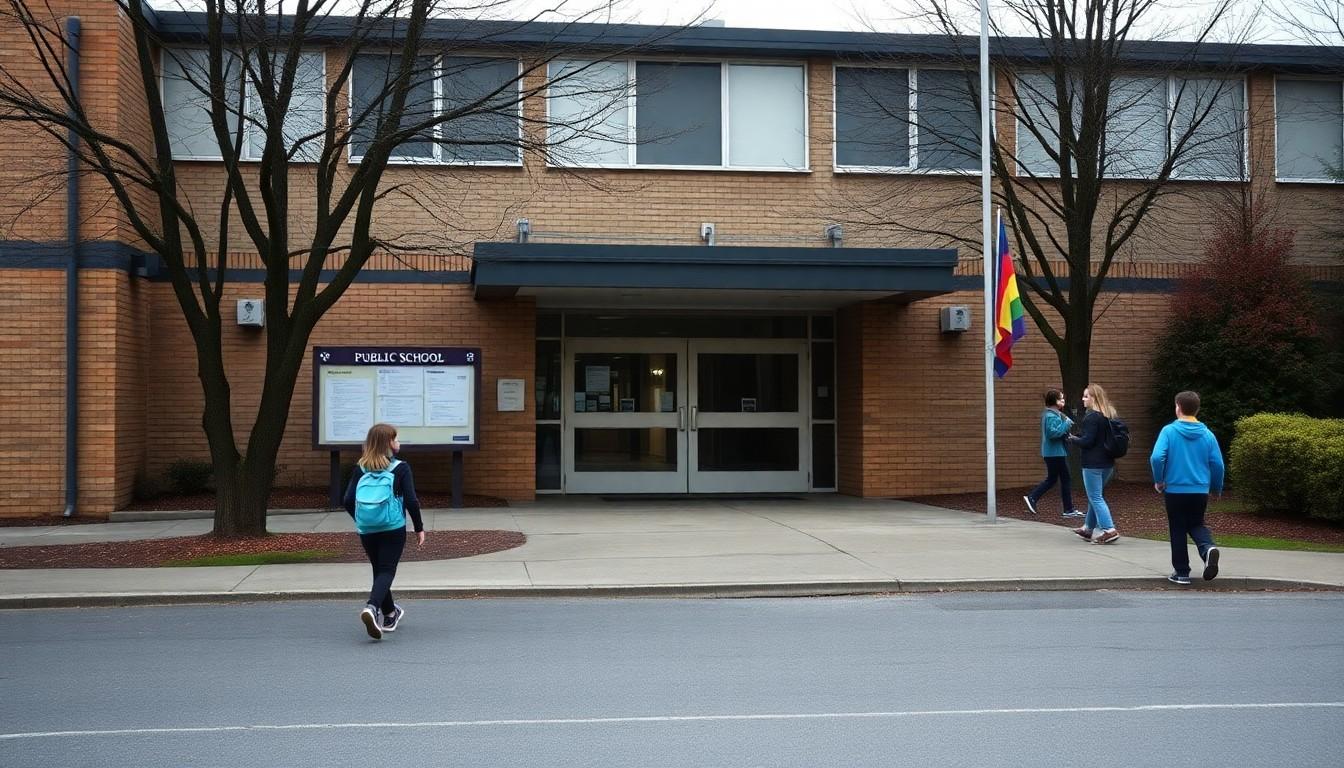
Fraser-Cascade schools say they’ll keep working to protect 2SLGBTQ+ students after British Columbia ordered SOGI 123 materials removed from provincial websites and classrooms. The district points to its own anti-discrimination policy, while teachers and families await clarity on what will be taken out of schools, how the change will happen and what, if anything, will replace the resources.
Essential Takeaways
- The province has ordered SOGI 123 materials removed from government websites and is working with school districts on removing them from schools.
- Fraser-Cascade says its commitments remain: the district cites Policy 2.20 and its code of conduct in responding to discrimination and harassment.
- The scope is still unclear: the government has not specified exactly which classroom materials will be removed or announced a replacement programme.
- Teachers say student protections continue: the B.C. Teachers’ Federation points to existing Human Rights Code protections and its commitment to welcoming schools.
- Research offers context, not a simple verdict: a UBC evaluation found declines in some reported forms of harassment over time, while also noting differences between student groups.
Fraser-Cascade says inclusion remains its duty
For students and families in Fraser-Cascade, the provincial order hasn’t changed the district’s stated approach to discrimination. Superintendent Dr Balan Moorthy says schools will continue to respond to complaints involving homophobia, transphobia and other forms of discrimination under district policy and its code of conduct.
That assurance matters because the province’s decision concerns a named set of resources, while schools still have responsibilities to students. Fraser-Cascade’s Policy 2.20 sets out a commitment to an inclusive environment and says discrimination and harassment complaints should be handled promptly and effectively.
What has B.C. ordered, and why?
The provincial government announced on 25 November 2026 that SOGI 123 materials would be removed from government websites and that it would work with school districts on removing them from schools. Premier Lorne Doerkson framed the move around giving parents a greater role in decisions about what children learn, and said the initiative had become divisive.
SOGI 123 was developed in 2016 through collaboration involving the ARC Foundation, education partners and 2SLGBTQ+ community organisations. The programme describes its resources as support for educators developing policies and more welcoming school environments, rather than a standalone curriculum.
The unanswered question: what comes next?
The government has not set out a detailed timetable for removing classroom materials or identified a replacement programme. That leaves families and educators with a practical question: what exactly will change in classrooms, and what support will remain available?
B.C. Teachers’ Federation President Carole Gordon has criticised the decision as appearing to be based on misinformation and asked which resources are in scope. The federation says teachers will continue working to build welcoming classrooms, while stressing that protections against discrimination based on sexual orientation and gender identity remain under the B.C. Human Rights Code.
What the research can, and can’t, tell us
A University of British Columbia evaluation examined student survey data from 2013, 2018 and 2023. It found declines in some reported forms of harassment across groups, but also recorded continuing differences between students with different sexual orientations.
That’s useful context in a debate where political statements can quickly become shorthand for a much bigger question. The evaluation tracks patterns over time; it doesn’t establish that every student’s experience improved or that SOGI 123 alone caused the changes. For families weighing claims about the programme, the measures and limitations matter as much as the headline result.
What families and students can watch for
For now, the clearest practical steps are to check how the district applies its own policies and code of conduct, and to look for further information from the province about the scope and timing of removals. Fraser-Cascade says complaints of discrimination or harassment will continue to be addressed under its existing commitments.
And for students, the human point is simple: a safe, welcoming school depends on more than a resource list. The next test will be whether families and educators get clear answers about what replaces the materials, and how schools will keep supporting every student.
Keep an eye on district updates as the province and school boards clarify what happens next.
Source Reference Map
Story idea inspired by: [1]
Sources by paragraph: