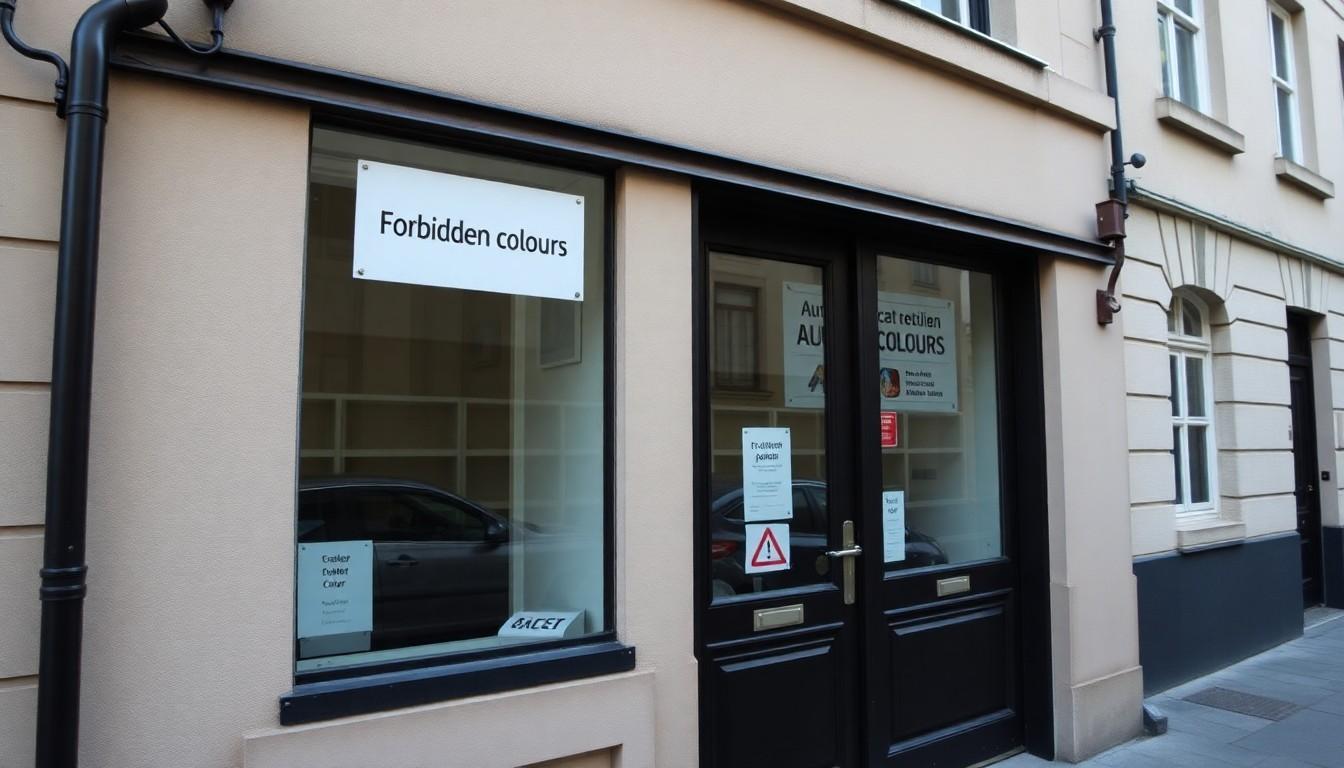
Tbilisi Pride is continuing its work from Brussels after closing its Georgian office in May 2025, as pressure on LGBTQ+ people and civil society grows. The move gives the group a base from which to keep advocating for rights and democracy in Georgia, but its relocation also underlines the risks facing activists who want to organise and speak publicly at home.
Essential Takeaways
- A new base: Tbilisi Pride has been working from the Brussels office of LGBTQ+ advocacy group Forbidden Colours since May 2025.
- A record of attacks: Pride events and organisers faced violence and intimidation in 2021 and 2023.
- Tighter restrictions: Georgia’s 2024 law restricts LGBTQ+ rights and public visibility, while separate measures put pressure on civil society.
- Work continues: Tbilisi Pride and Forbidden Colours are preparing an international initiative called “Pride in Exile”.
Brussels offers shelter, but the mission stays Georgian
Tbilisi Pride has moved its operations to Brussels, but not its focus. The group is working from the offices of Forbidden Colours after closing its Georgian office in May 2025, aiming to continue advocating for LGBTQ+ rights and democracy in Georgia. The change of address feels stark; the organisation says the work itself carries on.
Forbidden Colours says the relocation followed years of intimidation and attacks against Pride organisers. Amnesty International documented the violence around a planned Pride march in Tbilisi on 5 July 2021, when the event was cancelled after counter-protesters gathered and attacked the Pride office. Staff had to evacuate, and journalists covering the event were also assaulted.
Years of attacks have made safety a pressing concern
The 2021 violence was not the last serious disruption. A United Nations report describes far-right counter-demonstrators breaking through a police cordon at a Tbilisi Pride festival on 8 July 2023, destroying installations and burning Pride flags. Front Line Defenders also reported that the attack forced Tbilisi Pride to cancel its festival.
These incidents sit behind the organisation’s decision to leave its Georgian base. Amnesty International criticised the authorities’ failure to provide effective protection in 2021, while the UN report raised concerns about the response to both the 2021 violence and the 2023 attack. For organisers, repeated threats can turn a public celebration into a question of whether it can happen safely at all.
Georgia’s laws have narrowed the space for LGBTQ+ visibility
The dangers are not only on the streets. The Associated Press reported that Georgia’s 2024 legislation restricts LGBTQ+ rights, including public endorsement or depictions of LGBTQ+ people and relationships in media. The law also covers same-sex marriage, adoption by same-sex couples, gender-affirming care and changes to gender markers on official documents.
Meanwhile, restrictions on foreign funding and civil society add another layer of pressure. Human Rights Watch says unauthorised foreign funding can expose organisations to criminal penalties, and describes demands for sensitive information about groups, staff and beneficiaries. That broader climate helps explain why a rights organisation may see a secure base abroad as necessary to keep working.
Why Brussels matters beyond a change of address
Forbidden Colours says it is providing Tbilisi Pride with space to continue its advocacy and plans to intensify work with European institutions and governments. Its executive director, Rémy Bonny, has warned that the exile of human rights defenders in a country aspiring to join the European Union should concern European decision-makers.
The two organisations are also preparing “Pride in Exile”, an international initiative intended to draw attention to the situation facing LGBTQ+ people in Georgia. It gives their work a public-facing platform, while keeping the focus on the community and campaigners still dealing with restrictions at home.
What the move means for people following the story
Tbilisi Pride’s relocation is a practical response to mounting pressure, not a sign that its work has ended. The organisation says it never wanted to leave Georgia, but that defending its community’s rights had become increasingly dangerous. That distinction matters: a Brussels office can support continued advocacy, but it cannot erase the risks faced by LGBTQ+ people and civil society groups in Georgia.
For readers tracking what happens next, the key questions are whether the planned international advocacy gains traction and whether organisers can safely build public visibility for LGBTQ+ rights. “Pride in Exile” is one way the groups hope to keep those concerns in view.
A new address can protect the work; the fight for equal rights remains focused on Georgia.
Source Reference Map
Story idea inspired by: [1]
Sources by paragraph: