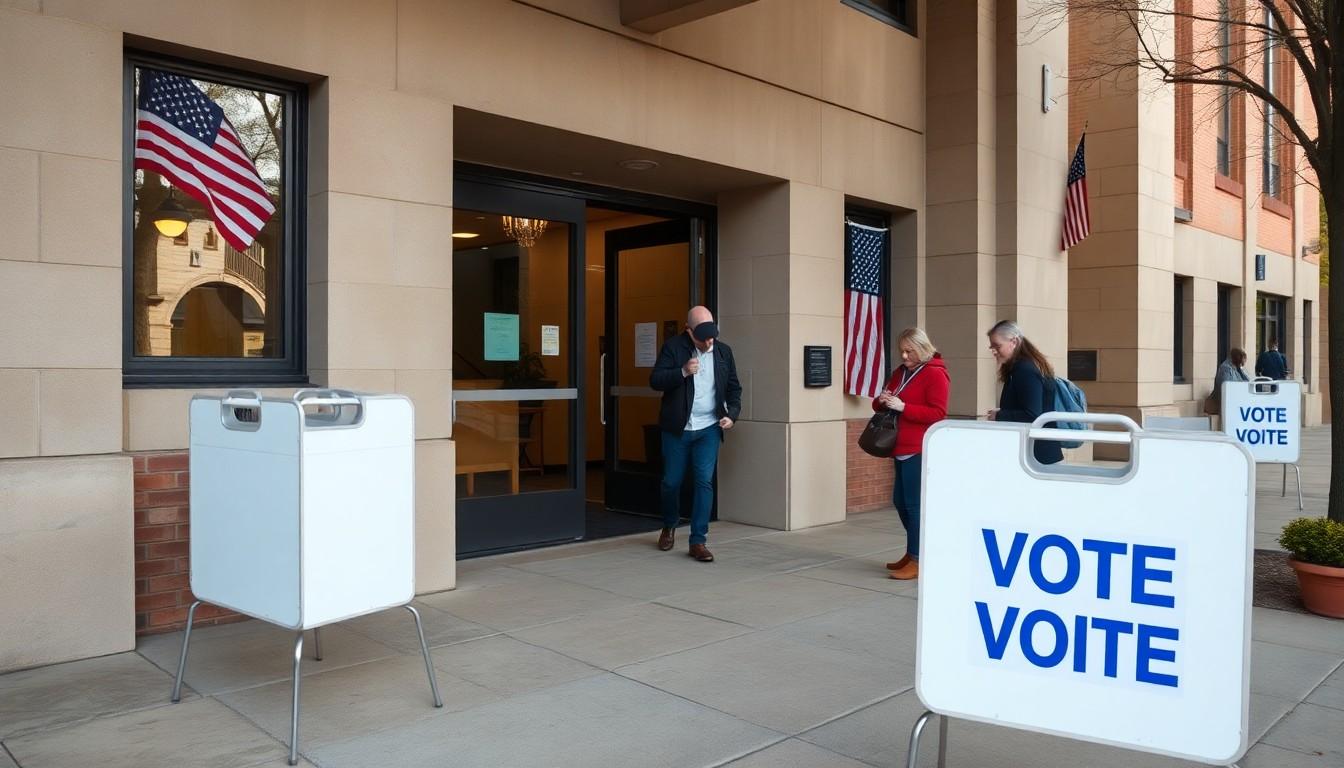
A bruising stretch of political anger gave way to a more hopeful reading of the 2026 midterm elections. The Advocate’s opinion essay argues that voters were moved by pocketbook worries, corruption and concerns about democracy, while also rejecting political attacks on transgender people. The result, it says, is a reason for cautious optimism, not a promise that the country’s problems are solved.
Essential Takeaways
- Money still mattered: Voters were concerned about household costs, including groceries, petrol and utilities.
- Corruption ranked highly: Polling found it was a major concern for many voters, alongside the economy and democracy.
- Trans people were a campaign target: Reports documented substantial Republican advertising focused on transgender-related issues.
- The result isn’t a cure-all: The essay describes the election as a source of hope while warning that discrimination and political anger remain.
A midterm result brings hope, not a clean slate
The Advocate’s writer describes the shift from despair after Trump’s 2024 victory to a tentative sense of possibility after the 2026 midterms. The central image is less a sudden national recovery than a knot beginning to loosen: some voters, the writer argues, had finally seen enough of the anger and political spite.
That distinction matters. The essay doesn’t suggest that one election can repair a divided country or end attacks on LGBTQ+ people. Instead, it finds room for hope in the possibility that voters weighed more than their immediate interests when they went to the polls.
Household costs and corruption both shaped the vote
The election wasn’t simply a referendum on one issue. The Associated Press reported that dissatisfaction with the economy was widespread, while more than half of voters said government corruption was crucial to their congressional vote. Its polling also found that many voters believed Trump’s policies had worsened the economy and that he didn’t have the right priorities.
CBS News’ exit polling likewise found widespread concern about household finances, including petrol, groceries and utilities. It reported that the economy was the most frequently selected top issue overall, with democracy next, while corruption was a major factor for roughly nine in ten voters. The mix suggests that personal finances and wider questions about public power sat side by side.
Why the transgender campaign message drew scrutiny
The Advocate’s essay argues that Republican rhetoric about transgender people, especially children, became a campaign theme and reflected a politics of fear. The Washington Post reported that Republicans and allied groups spent heavily on television advertising about transgender-related issues, even as polling placed the economy and cost of living well above transgender issues among voters’ priorities.
The Associated Press also documented the scale of that advertising, estimating Republican spending on transgender-related television ads at $183 million during the final phase of the midterms. That shows how prominent the messaging was, but it doesn’t establish that the ads alone changed election results. The useful comparison is between what campaigns emphasised and what voters said mattered most.
Voters weighed war and democratic checks, too
Economic anxiety wasn’t the whole story. CBS News reported that most respondents thought the United States had made the wrong decision to take military action in the Iran war. The Associated Press, meanwhile, found that voters wanted Congress to provide stronger oversight and checks on presidential power.
Taken together, those findings help explain the essay’s more complicated reading of the result: voters may have been motivated by prices, but also by corruption, conflict and concerns about democracy. It’s a hopeful interpretation, though not a claim that every voter shared the same priorities or endorsed the same political vision.
The next test is what elected officials do
The Guardian’s pre-election reporting found that corruption was already a major concern for likely voters, alongside the cost of living. That gives useful context to the post-election argument: these worries weren’t simply invented after the votes were counted, even if polling can’t tell us exactly why each person chose a candidate.
The Advocate’s writer leaves the next move with those elected: easing financial pressure and reducing threats to decency and democracy. That’s a much bigger task than winning a midterm, but the essay’s closing thought is modest enough to feel earned. A reason to hope isn’t the same as a guarantee.
For now, the essay’s invitation is simple: give thanks to the voters who showed up, while keeping expectations grounded.
Source Reference Map
Story idea inspired by: [1]
Sources by paragraph: