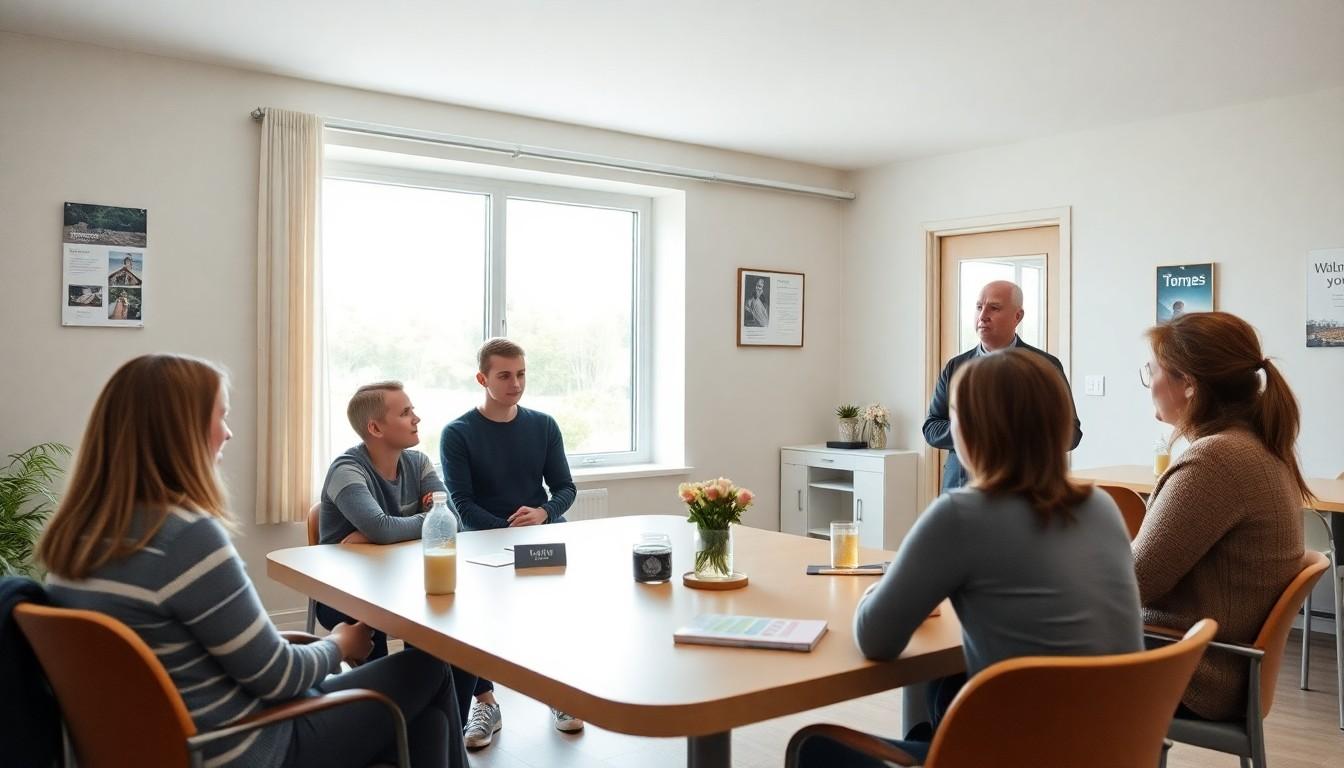
Adults and youth organisations can help LGBTQ+ young people feel heard, respected and free to explore who they are. In Lahti, an opinion piece argues that supportive communities and respectful everyday practices matter because adolescence is a formative time for identity. Guidance from UNICEF and other organisations offers practical context for what safer, more welcoming spaces can look like.
Essential Takeaways
- Belonging matters: UNICEF says safer spaces are built through deliberate choices that promote fairness, respect and participation.
- Small practices count: Respectful language, attention to young people’s own descriptions and protection from harassment are among the approaches highlighted by professional guidance.
- Inclusion can benefit a wider community: The CDC says supportive school practices can improve the environment for students more broadly.
- Lahti has local context: A Yle report describes a youth disco planned by Lahti Youth Services and Lahden Seta for young people belonging to sexual or gender minorities.
A sense of safety goes beyond the physical
A young person needs more than a room with a door to feel safe. UNICEF’s guidance on supporting LGBTQI+ youth describes safer spaces as environments shaped by fairness, respect and non-violence, where young people can take part and express their identities.
That distinction matters. The way adults speak, respond and organise activities can either make it easier for young people to participate or leave them feeling unwelcome. Safety, in other words, is built through everyday choices as much as through physical arrangements.
Adults can make room for self-definition
The Lahti opinion piece argues that young people should be able to define themselves, including their gender, without adults imposing narrow expectations. That is a call for attentive support, not a demand that anyone else make those decisions for them.
The American Psychological Association and the National Association of School Psychologists recognise diverse gender identities and expressions as normal variations of human experience. Their resolution recommends that schools support self-exploration and self-acceptance rather than steering young people towards a predetermined outcome.
Respectful language is practical, not abstract
Inclusive support needn’t begin with a grand programme. The CDC recommends staff development that covers identity and appropriate language, alongside supportive policies, safe spaces and student-led clubs. A willing, non-judgemental adult can also give a young person someone to turn to.
For youth services, a useful starting point is to listen to how each young person describes themselves and to treat that description respectfully. A thesis proposing an equality and non-discrimination plan for Lahti’s youth services discusses respectful terminology, self-definition and action against harassment, while making clear that a proposed plan doesn’t prove every recommendation is currently in place.
Lahti’s youth disco shows what local support can look like
A Yle report described a disco planned for 13- to 29-year-olds who belong to sexual or gender minorities. Lahti Youth Services and Lahden Seta organised the event as a safe, substance-free place to meet; the report said it had been proposed by young people, with youth-service staff present.
The event also attracted public debate, and Lahden Seta received hostile messages and a threat, Yle reported. That contrast is hard to miss: a space intended to offer connection can become the focus of hostility, too. The local example brings the opinion piece’s call for cooperation between young people, services and organisations into sharper focus.
Inclusive communities can support more than individuals
The CDC says supportive school practices are associated with better student health outcomes and can improve the school environment for everyone. Its guidance includes staff training, safe spaces, student alliances and anti-harassment policies, though its findings and recommendations concern US schools, not Lahti.
That’s a useful reminder that inclusion isn’t only about one person’s experience. When people can take part without being pushed into narrow expectations, a community has more room for understanding and connection. Adults can help create that room by listening, using respectful language and taking exclusion seriously.
Small, consistent acts of respect can help make a youth community feel safer for everyone.
Source Reference Map
Story idea inspired by: [1]
Sources by paragraph: