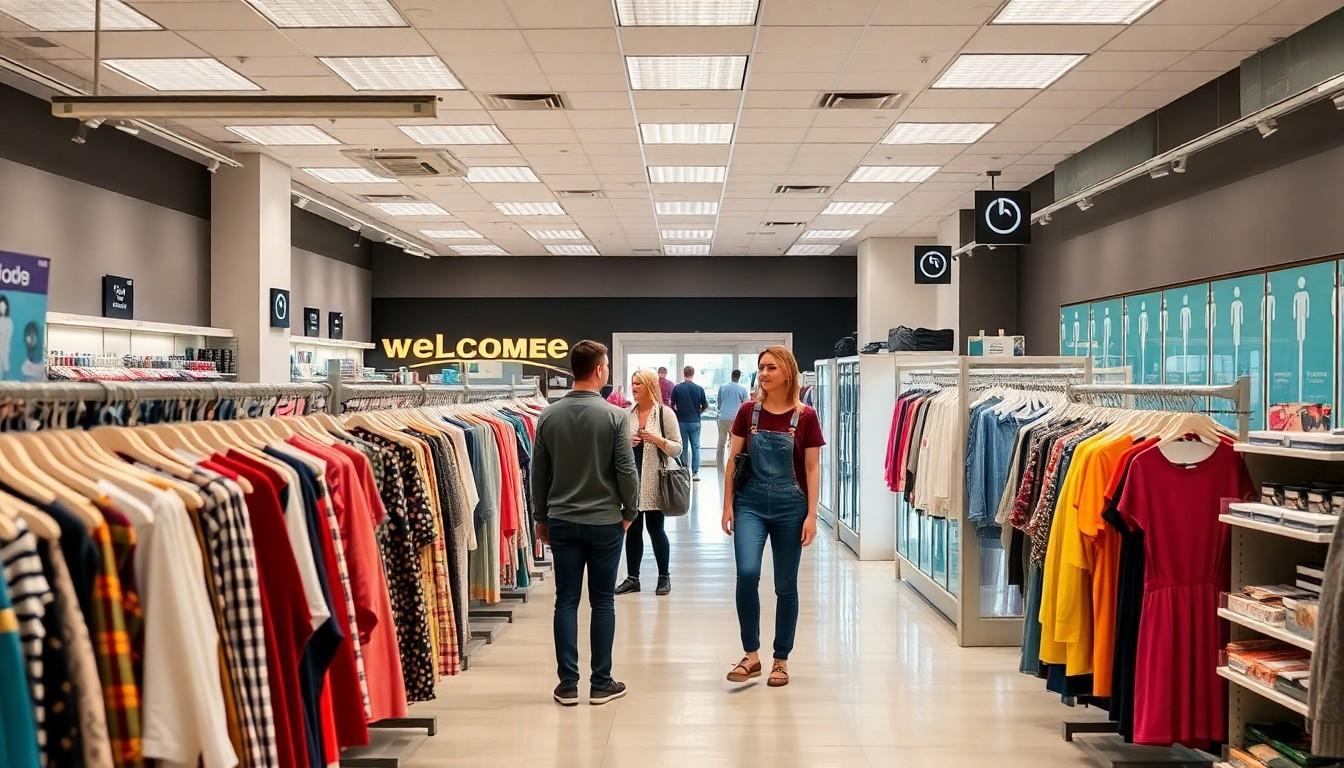
Finding a shop where you can browse comfortably matters as much as finding the right lipstick or outfit. A US-focused guide highlights seven retailers that have signalled support for transgender and gender-diverse customers through campaigns, community initiatives or published policies. Those examples can help you decide where to start, while remembering that individual experiences may differ from shop to shop.
Key takeaways
- Seven US retailers are featured: Sephora, Lush, Torrid, Target, Lane Bryant, Macy’s and Nike.
- Some examples are historical: Lush’s Trans Rights Are Human Rights campaign took place in 2018, while Target’s public clarification on facilities was reported in 2016.
- Sephora has an online community: Its Trans is Beautiful group is described as a space for trans, non-binary and gender-nonconforming members.
- Company statements aren’t a guarantee: Published policies and campaigns don’t prove that every store visit will feel the same.
- Your experience matters: If you’re treated disrespectfully, the original guide suggests taking your business elsewhere.
Look beyond the changing room
Shopping can feel wonderfully personal: the right colour, a soft fabric, a lipstick that makes you pause at the mirror. But feeling comfortable while you browse is part of the experience too. A guide from Feminization Secrets points readers towards seven US retailers it considers potentially welcoming to transgender and cross-dressing shoppers.
The list mixes beauty, clothing, department stores and sportswear: Sephora, Lush, Torrid, Target, Lane Bryant, Macy’s and Nike. Its examples range from public campaigns and online communities to company statements and policies, rather than one consistent measure of how every shop treats customers.
Sephora and Lush offer visible signs of support
Sephora’s Trans is Beautiful group gives trans, non-binary and gender-nonconforming community members a place to discuss beauty and representation, according to the Sephora Beauty Insider Community announcement. That’s a concrete online initiative, though it can’t tell you exactly what to expect at a particular counter or store.
Lush’s history is more campaign-focused. The company says its 2018 Trans Rights Are Human Rights effort raised $450,000 for campaign partners and other organisations supporting trans youth and their loved ones. That puts the campaign in a longer record of advocacy described by Lush itself, rather than offering an independent assessment of customers’ in-store experiences.
Clothing choices matter, but so does the welcome
The guide points to Torrid and Lane Bryant as plus-size fashion options, with Lane Bryant’s clothing range described there as running from sizes 10 to 40W. Lane Bryant’s own Unity and Diversity page sets out a broad message of belonging and highlights Pride-related activity, including its participation in a Pride march.
Those public signals can help you make an initial shortlist, but they’re not a promise about how any one visit will go. If you’re shopping for a particular fit or style, check the retailer’s current size and product information before heading out, then judge the in-store welcome for yourself.
What Target and Macy’s have said about facilities
Target’s position made headlines in 2016. The Washington Post reported that the retailer publicly clarified that transgender customers and employees could use restrooms and fitting rooms in line with their gender identity; the report said Target described this as an existing position it was making explicit, not a newly introduced policy.
Macy’s transgender policy document sets out guidance allowing transgender people to use facilities consistent with their gender identity or presentation. It also directs staff to offer an alternative to anyone who feels uncomfortable, rather than asking the transgender person to leave. The document was revised in 2016, so it’s useful historical evidence, not confirmation that the same guidance remains current or is followed uniformly today.
Choose your own starting point
Nike rounds out the guide through an advert featuring transgender voguer Leiomy Maldonado. That’s a different kind of signal from a store policy: it’s representation in marketing, rather than evidence about what a shopping trip will feel like.
So treat the list as a starting point, not a guarantee. Check current information where you can, and remember that a welcoming company statement can’t predict every interaction with staff. The guide’s simplest advice is also the most practical: if you aren’t treated with respect, you can take your business elsewhere.
A little research can help you feel more prepared, but your own experience deserves the final say.
Source Reference Map
Story idea inspired by: [1]
Sources by paragraph: