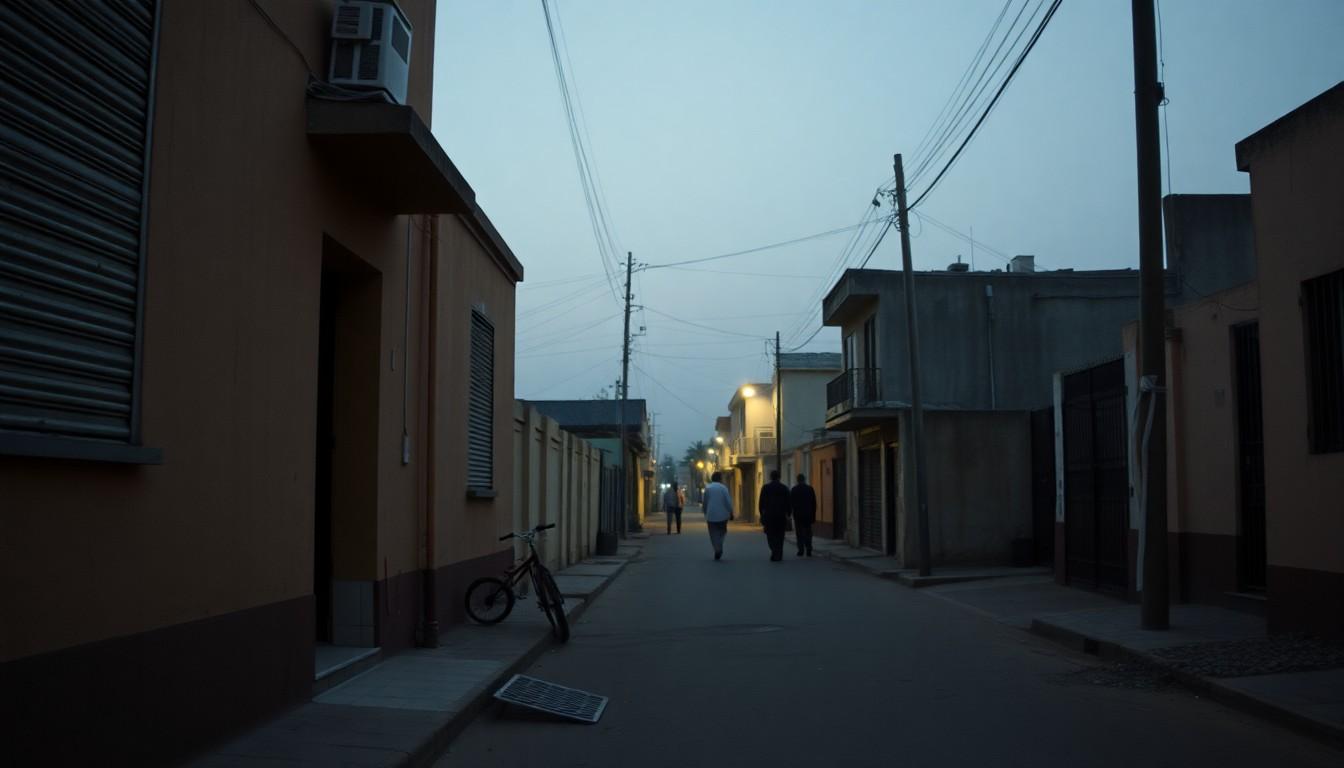
Fear is reshaping daily life for LGBT people in Senegal, where a tougher law and a wave of arrests have made ordinary routines feel risky. Human Rights Watch says some people are going into hiding and avoiding HIV testing or treatment. The crackdown matters not only for those detained, but also for the organisations and health workers trying to support them.
Essential Takeaways
- Tougher penalties: Senegal’s March 2026 law raised the maximum prison term for consensual same-sex conduct to ten years and criminalised some forms of support for LGBT people.
- Growing fear: Human Rights Watch says people are restricting everyday activities, with some going into hiding.
- Health risks: Rights organisations report that fear of arrest is discouraging some people from seeking HIV testing and treatment.
- Arrest figures vary: Monitoring groups have reported different totals, and Human Rights Watch says it has not independently verified the overall count.
A harsher law is changing everyday life
The clearest sign of the crackdown is how much people feel they must disappear from view. In its report on Senegal, Human Rights Watch says fear of arrest has led some LGBT people to curtail ordinary activities and go into hiding, turning simple decisions about where to go or whom to contact into sources of anxiety.
The law adopted in March 2026 doubled the maximum prison sentence for consensual same-sex conduct to ten years. Human Rights Watch says it also criminalised promoting or supporting LGBT people and organisations, extending the legal risk beyond private relationships.
Arrests have fuelled fear and uncertainty
The arrests began before the law was passed, according to Human Rights Watch, which describes detentions in Thiès in December 2025 and Dakar in February 2026, followed by arrests elsewhere. The organisation interviewed 39 people in Senegal, including previously detained people, lawyers, health professionals, officials and rights defenders.
There isn't one verified total for the arrests. The Associated Press reported figures from two organisations that counted at least 212 arrests and more than 300 over a period from February to July, while Human Rights Watch noted that reported totals vary and have not been independently verified by the organisation.
Le Monde's reporting gives a more intimate view of what those figures can mean: interviewees described living cautiously, fearing that private messages could expose them. Some people have fled the country, while others have remained hidden or faced imprisonment.
The crackdown reaches beyond private conduct
The legal changes also affect those who provide support. Human Rights Watch says the law makes certain forms of promotion or support for LGBT people and organisations a criminal matter, while Amnesty International warns that criminalising advocacy can undermine community services and HIV-related support.
That has consequences for people who may need confidential, practical help. Human Rights Watch reports concerns about forced HIV testing, disclosure of confidential medical information and difficulties finding legal representation. The HIV Justice Network also reports cases in which detainees were tested and personal information was disclosed, though its figures and case details reflect its own monitoring.
Fear can keep people from healthcare
A particularly troubling effect is the risk that people avoid HIV testing or treatment because they fear arrest or exposure. Human Rights Watch says some people have stayed away from those services, while Amnesty International warns that hostility towards peer educators and rights defenders could weaken community health support.
The Associated Press also reported that a court dismissed charges of voluntary HIV transmission against 82 people in August. The HIV Justice Network's chronology describes a separate court development that month, reporting dismissal of HIV-transmission and endangerment charges against 99 co-defendants, while charges relating to same-sex conduct remained for 71 defendants. Those accounts underline why legal details and arrest totals need careful attribution.
The human cost is more than a headline
Senegal had already criminalised same-sex sexual conduct before the 2026 changes, the Associated Press reported. The new law has raised penalties and widened the scope of criminal liability, while the reporting from rights groups and interviewees describes a climate in which stigma and fear can affect movement, relationships and access to support.
For people living through it, going quiet may feel like a way to stay safe, but it can also mean losing contact with care and community. The figures matter, but so does that quieter cost.
A safer path starts with protecting people’s rights, privacy and access to care.
Source Reference Map
Story idea inspired by: [1]
Sources by paragraph: