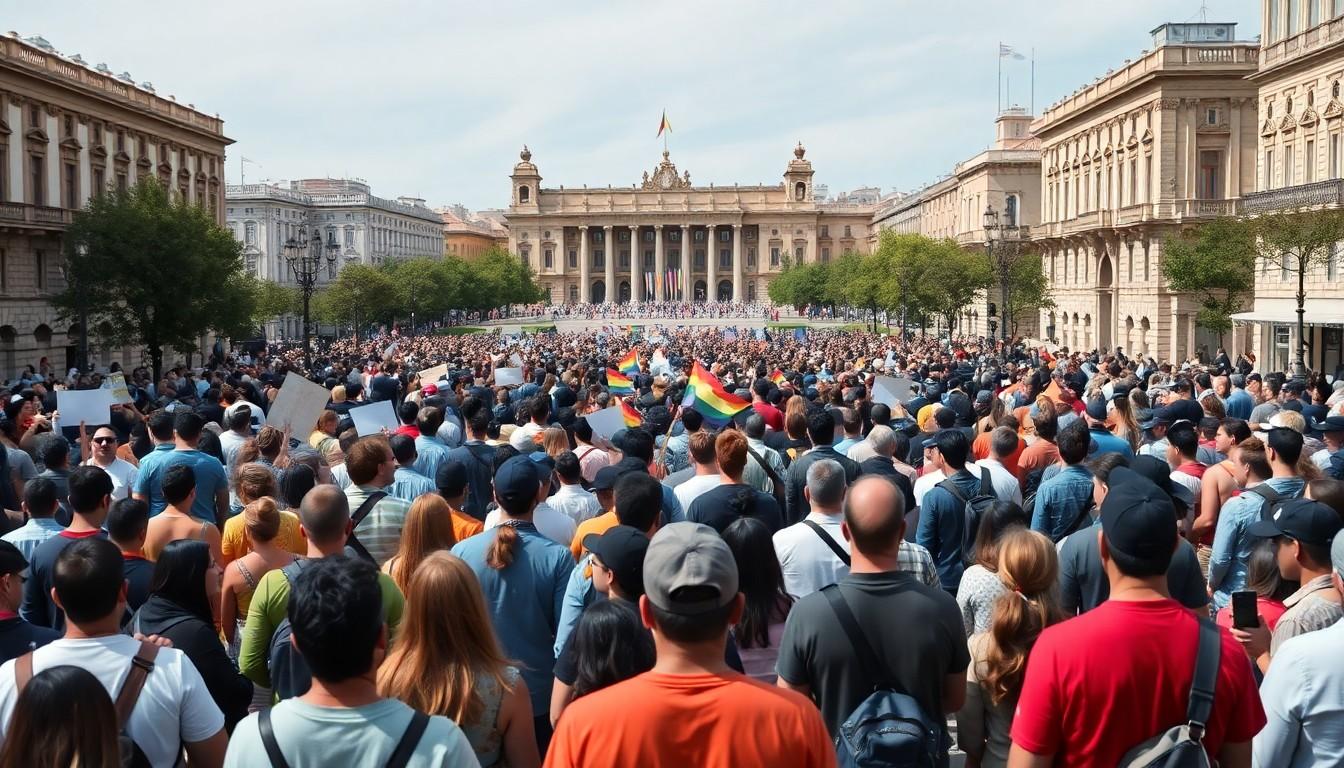
Córdoba’s 18th Pride March brought colour, music and a pointed political message to the city, as participants called for stronger protections against discrimination and violence. The procession moved from Parque Las Heras towards the Paseo del Buen Pastor, combining celebration with remembrance and demands for action on LGBTIQ+ rights.
A vibrant march carried a serious message
Banners, music and dancing filled Córdoba’s streets during the 18th Provincial Pride March. The procession brought together a festive atmosphere and a clear demand: participants wanted rights and protection, not special privileges.
Organisers’ slogan spoke directly to the climate of fear and hostility they said the community faced, insisting that people would meet in the streets with pride, memory and rebellion. The event’s mood held both joy and grief, with celebration set against calls to remember people killed in acts of violence. (Paragraph 1: [2], [3], [5])
From Parque Las Heras to the closing stage
The main procession set out from the Parque Las Heras area at around 16:00 and made its way through central Córdoba towards the closing stage near the Paseo del Buen Pastor. A separate group associated with left-wing organisations joined near General Paz and La Tablada, according to the lead report.
At the stage, organisers read a statement setting out the march’s central demands: a provincial anti-discrimination law, a comprehensive trans law, an integrated HIV response law, and action against hate crimes and hate speech. Recognition of sex work as work was also among the calls raised. (Paragraph 2: [2], [3], [5]) (Paragraph 3: [2], [3])
Calls for justice shaped the day
The march also carried calls for justice for Luciana Centeno, Samuel Tobares and Vica Montero, whose deaths were named in the lead report. Coverage by Cadena 3 had highlighted the cases of Tobares and Vica Monteros as part of the context behind the march’s focus on violence and discrimination. (Paragraph 4: [4])
That mix of mourning and resolve gave the demonstration its political weight. La Nueva Mañana likewise described an event shaped by both celebration and remembrance, with demands for stronger protections alongside public recognition of violence affecting the LGBTIQ+ community. (Paragraph 5: [3])
The message goes beyond one day
The organisers’ priorities were already clear before the march began. Hoy Día Córdoba reported on preparations and the prominent call for an anti-discrimination law, while the organisers’ website set out the event’s slogan, route and programme. (Paragraph 6: [5], [6])
For people weighing what a Pride march represents, the day’s message was not limited to a parade or stage programme. It was also a public call for legal protections and institutional responses, voiced by people who wanted to celebrate openly while insisting that safety and equal rights still matter. (Paragraph 7: [2], [6], [7])
A celebration with purpose
Colour, music and performance helped make the march a gathering as well as a protest. La Nueva Mañana’s account lists Loly Olguín among the performers at the closing event, while the organisers’ programme also named her. (Paragraph 8: [3], [5])
That balance is part of the march’s force: joy and political urgency can share the same street. In Córdoba, the celebration came with a clear appeal for lasting protections and an end to violence. (Paragraph 9: [2], [3])
The march’s message was simple: celebrate openly, remember those lost and keep pressing for equal rights.
Source Reference Map
Story idea inspired by: [1]
Sources by paragraph: