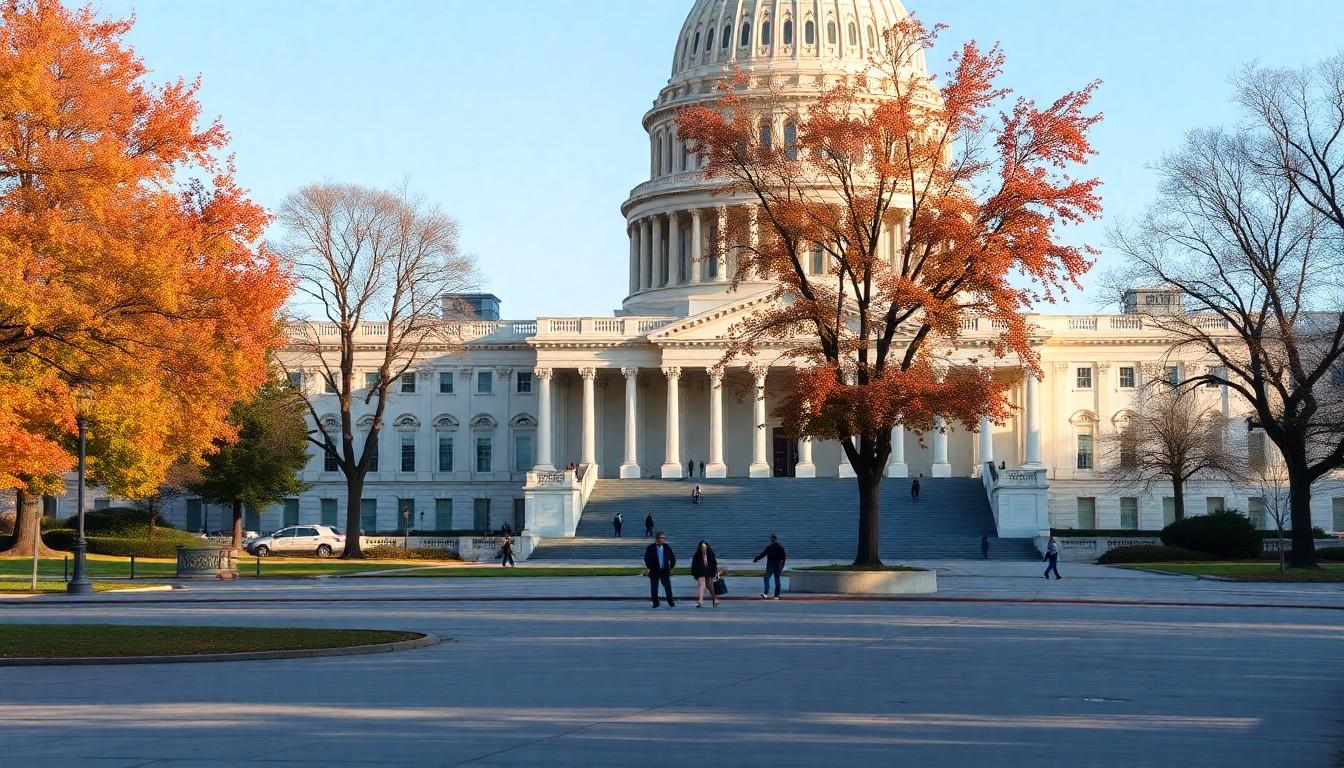
Voters have sent a record number of LGBTQ+ representatives to Congress, with New Hampshire’s Chris Pappas making history as the first openly gay man elected to the US Senate. The LGBTQ+ Victory Fund celebrated a wider wave of wins, including a landmark result in Michigan, while warning that anti-trans ballot measures show the fight over equality is far from settled.
Essential Takeaways
- A Senate first: Chris Pappas was elected as the first openly gay man to the US Senate.
- A record in Congress: The incoming 120th Congress is set to include 18 LGBTQ+ members.
- A Michigan milestone: Joanna Whaley became the first transgender woman elected to the Michigan Legislature.
- More work ahead: The Victory Fund celebrated candidate victories but pointed to anti-trans ballot measures as a continuing concern.
A historic Senate win, and a record in Congress
The result puts a new face in a chamber where representation has been thin: Chris Pappas will become the first openly gay man elected to the US Senate. The Associated Press reported that Democrats are set to hold a 56-seat majority, giving the next Congress a very different political balance as well as a notable milestone for LGBTQ+ representation.
The Victory Fund says the incoming 120th Congress will have 18 LGBTQ+ members, a record. That group includes Scott Wiener, who is set to become the first LGBTQ+ representative from San Francisco in Congress, succeeding Nancy Pelosi. The result makes representation visible in a way that numbers alone can't quite capture: voters will see more LGBTQ+ people making decisions at the federal level.
The Victory Fund celebrates a broad wave of wins
The scale of the gains stretches well beyond Washington. The Victory Fund's election report says 501 candidates it endorsed won their races, including transgender, non-binary, lesbian, bisexual, queer and pansexual candidates, as well as women and candidates of colour. The organisation describes the results as a major step towards building LGBTQ+ political influence.
That tally comes from the Victory Fund itself, and the organisation noted that some results were still being counted or confirmed when its report was published. Even so, the individual milestones are striking. In Michigan, Joanna Whaley became the first transgender woman elected to the state Legislature, a local first that adds another layer to the national picture.
Joanna Whaley says the work starts now
Whaley, a Democrat, said voters were tired of seeing the queer community targeted during campaigns. She pointed to dehumanising adverts that her children saw on television, and argued that the answer in office would be to show competence and get on with the work. CBS Detroit also reported on her election and her view that the main responsibility begins after the campaign.
Her win matters beyond the headline first. Whaley's story shows how representation can move from a campaign promise into the everyday work of public service. And for voters who are weary of political attacks, that change may feel less abstract than any national tally.
What helped shape the result?
Pappas said his campaign involved conversations with people who had voted for Donald Trump in past elections, as well as veterans who had become disillusioned with the war in Iran. Axios reported that Pappas defeated former senator John Sununu in a contest that kept the seat in Democratic hands. The result was watched nationally, with the race seen as important to the balance of power in the Senate.
The wider shift was substantial: the Associated Press reported that Democrats gained nine Senate seats and would begin the next Congress with a 56-44 majority. Those figures help explain the political backdrop, but they don't tell the whole story of why individual candidates won. Pappas credited New Hampshire voters, while the Victory Fund points to the importance of building a pipeline of LGBTQ+ candidates and supporting them through campaigns.
A celebratory result, with a clear warning
Evan Low, president and CEO of the Victory Fund, welcomed the historic results but also said there was more work to do after anti-trans ballot measures passed in several states. The contrast is hard to miss: LGBTQ+ candidates made ground in elections even as some campaigns and ballot questions pushed anti-trans messages.
The organisation is looking ahead to candidate recruitment and training, with Low stressing that LGBTQ+ officeholders are well placed to shape policy and respond to attacks on their communities. A record number of representatives is a meaningful milestone, but it isn't an end point. The next test is what those elected leaders can change.
The wins are worth celebrating; the work of turning representation into progress starts next.
Source Reference Map
Story idea inspired by: [1]
Sources by paragraph: