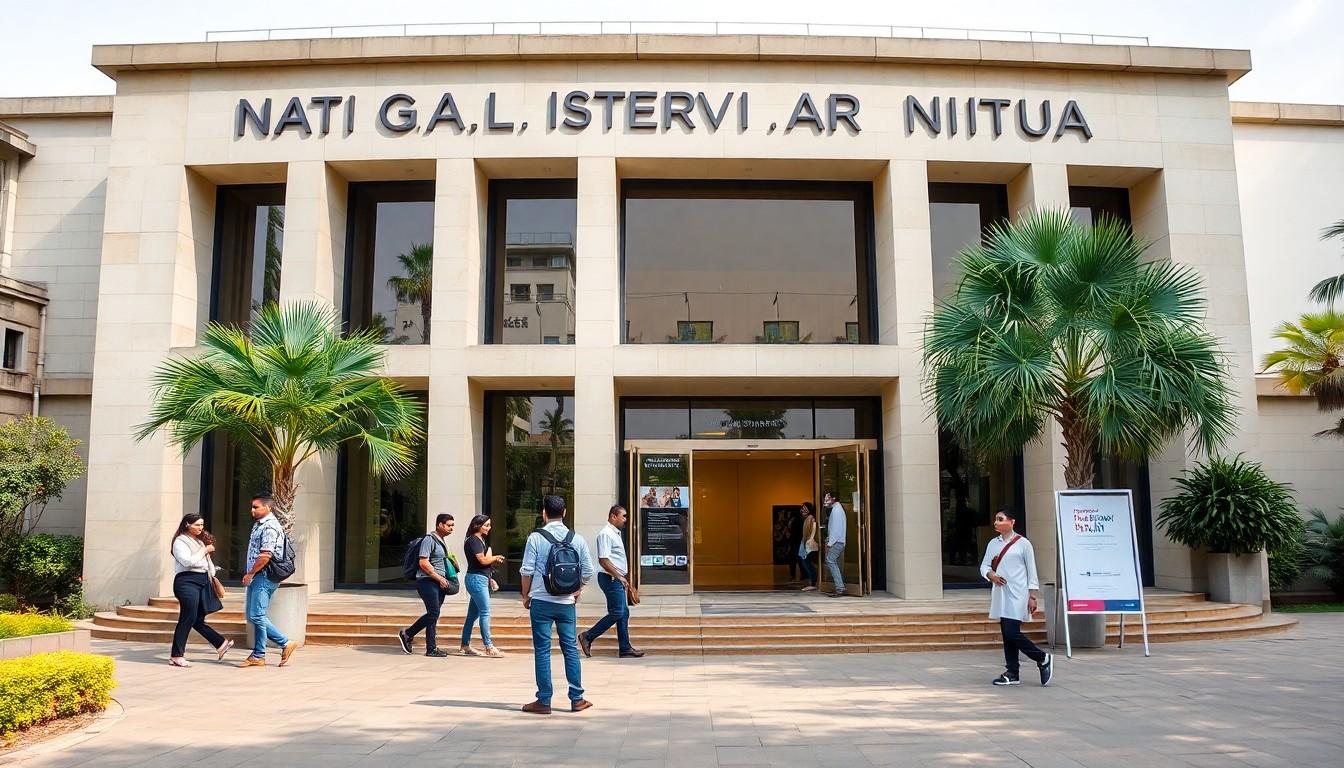
Bengaluru is getting its first KASHISH Pride Film Festival, with 44 queer films from 15 countries set to screen at the National Gallery of Modern Art from 20 to 22 November. The three-day programme brings international LGBTQIA+ stories to a new audience, while adding filmmaker conversations and other events to the mix.
Essential Takeaways
- First Bengaluru edition: KASHISH x BENGALURU 2026 runs from 20 to 22 November at the National Gallery of Modern Art.
- International selection: Organisers say the programme includes 44 films from 15 countries.
- More than screenings: The gallery listing includes filmmaker Q&As, panel discussions, cultural performances and audience awards.
- A pre-festival gathering: A curtain-raiser was held at the Museum of Art and Photography on 17 November.
- Practical details: NGMA lists daily hours of 11am to 7.30pm and says entry is for adults aged 18 and over, with free registration.
KASHISH brings queer cinema to Bengaluru
Forty-four films, 15 countries and three days: KASHISH Pride Film Festival is making its Bengaluru debut with a programme built around LGBTQIA+ lives, relationships and aspirations. The screenings are scheduled for 20 to 22 November at the National Gallery of Modern Art.
The festival’s Bengaluru edition is titled KASHISH x BENGALURU 2026. Festival director Sridhar Rangayan described the move as an important milestone, saying he hopes it will bring different voices together and prompt conversations about visibility, dignity and equality, according to News18. [2]
The gallery programme goes beyond screenings
The National Gallery of Modern Art’s Bengaluru listing frames the event as a celebration of cinema, diversity and LGBTQIA+ stories. It also names filmmaker question-and-answer sessions, panel discussions, cultural performances, audience awards and community engagement among the planned activities.
That gives the festival a broader shape than a run of films alone. For audiences, it means the opportunity to hear from filmmakers and take part in conversations around the work, as well as watch it. [3]
A curated selection, not just a smaller festival
Indulge Express reports that the Bengaluru programme is a specially curated selection, rather than simply a scaled-down version of KASHISH’s Mumbai festival. Rangayan told the publication that the selection aims to balance identities, genres, geographies and storytelling styles, with films chosen for their potential to move, challenge or inspire viewers.
That approach makes the headline total only part of the story. The mix of perspectives and styles is central to what the festival wants to bring to its new city audience. [4]
What to know before you go
NGMA lists the venue as its auditorium at Manikyavelu Mansion on Palace Road, Bengaluru, and gives daily opening hours of 11am to 7.30pm from 20 to 22 November. Its listing says entry is restricted to people aged 18 and over and offers a free-registration route.
The event listing on StayHappening also says registration is mandatory, while noting that registration information would be shared separately. If you're planning to attend, check the gallery or organiser’s latest information before setting out, particularly for registration details and any programme updates. [3][6]
The curtain-raiser set the scene
Before the main festival, a curtain-raiser took place on 17 November at Bengaluru’s Museum of Art and Photography. News18 reports that MAP’s head of inclusion, Meghana Rao, spoke about helping diverse audiences connect with art, culture and heritage in new ways.
The Hans India adds that the gathering brought filmmakers, artists, cultural figures and LGBTQ+ community members together for discussions and performances. It was a fitting opening note for an event that wants cinema to spark conversation beyond the screen. [2][5]
A first Bengaluru edition is a chance to see queer stories from around the world, and to make room for the conversations they inspire.
Source Reference Map
Story idea inspired by: [1]
Sources by paragraph: