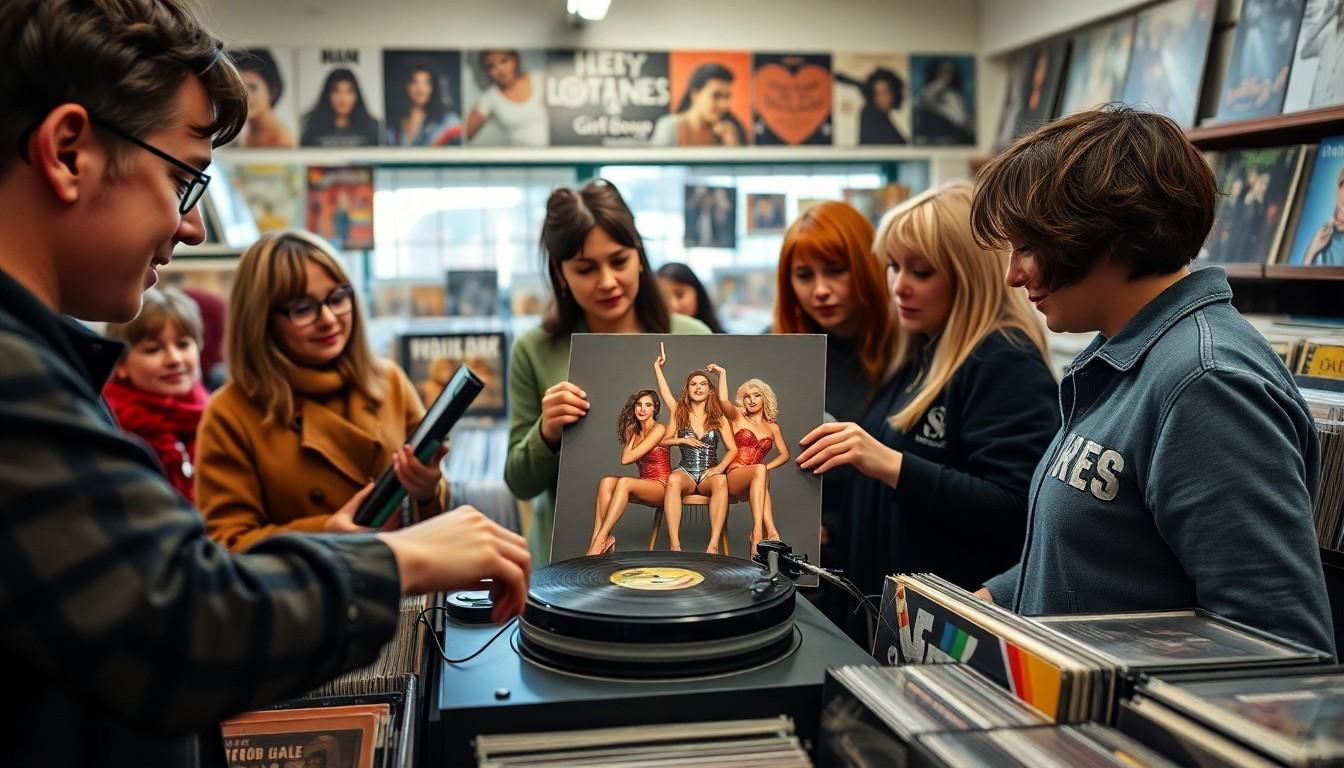
A 2020 DNA Magazine feature linked gay culture with a love of girl groups, praising their polished pop sound and the performers’ sass, feeling and glamour. It’s a lively cultural take, not a claim that every gay man shares the same taste. Music history and research into diva fandom offer a richer way to understand why female pop performers can mean more than a catchy chorus.
Girl groups get the spotlight
The DNA Magazine feature opens its “G” entry with girl groups: polished vocal acts whose songs, it says, have soundtracked gay culture for decades. Its description is colourful and deliberately opinionated, celebrating the singers’ sass, emotion and sex appeal.
The contrast with boy bands is part of the joke. The authors suggest that male groups can come across as cocky or over-eager, while female performers bring a different kind of pop appeal. It’s a punchy magazine generalisation, though, not a rulebook for what gay men enjoy.
The music has a history beyond fandom
There’s a documented musical story behind the affection for girl groups. The Library of Congress identifies the Shirelles as a prominent early-1960s group and places their recordings within the wider history of women’s contributions to recorded music.
That context helps separate two ideas: girl groups’ influence on popular music, and claims about who loves listening to them. The first can be traced through recordings and musical history; the second is a matter of individual taste and cultural interpretation.
Diva fandom can carry meaning
Research into gay men’s pop-diva fandom suggests that admiration may involve more than enjoying a voice or a song. A study published by John Benjamins examines how fans talk about female vocalists, and how their interpretations can connect with feminism, gender and sexuality.
A separate article published by Taylor & Francis looks at diva worship as a form of media reception. It considers how fans read performers’ public images and the material around them, including publicity and interviews, and how those readings can carry social meaning.
Neither study is a poll of all gay men, and neither establishes that girl groups are preferred to boy bands. Their value is subtler: they offer ways to think about how some fans make personal and political meaning through pop culture.
Enjoy the take, but keep it in perspective
DNA Magazine’s piece was first published in May 2020, and the available extract shows only its opening discussion of girl groups. The rest of the dictionary-style feature isn’t visible in the supplied material, so its other possible entries can’t be assessed here.
That makes a little caution worthwhile. The feature is cultural commentary, not a neutral reference work or research study, and its broad claims are best read as the authors’ playful framing rather than a description of every gay man.
Pop favourites are personal
Girl-group history and research on diva fandom both add depth to the magazine’s lively premise. One points to performers’ lasting place in recorded music; the other explores how some fans connect music with identity and ideas about gender.
And perhaps that’s the point: pop can be a shared cultural reference without everyone hearing it in quite the same way.
Enjoy the music, and leave room for different tastes.
Source Reference Map
Story idea inspired by: [1]
Sources by paragraph: