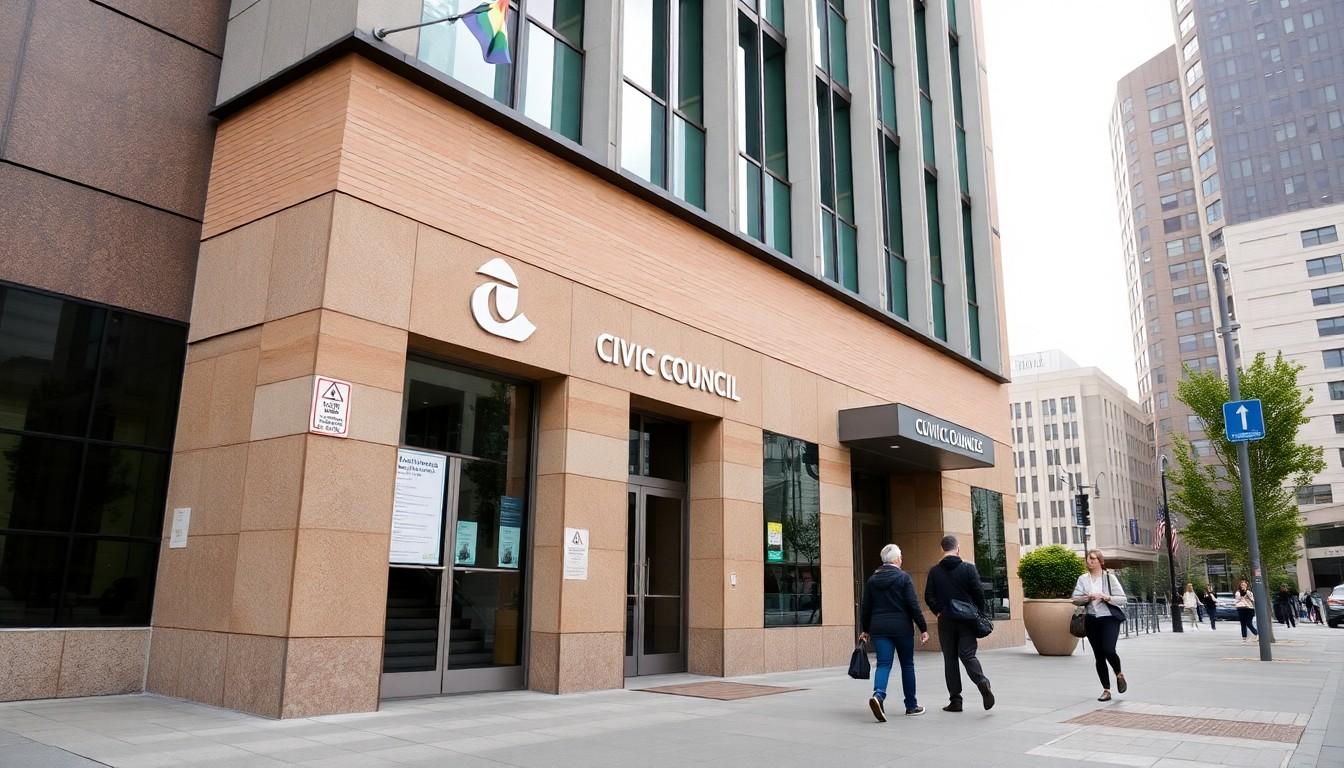
Perth councillors have again rejected an amended application for an LGBTQIA+ members-only club above the Pink Rabbit Adult Boutique in the CBD, but the vote failed to secure the required majority. With the City of Perth facing a potential tribunal hearing and tens of thousands of dollars in further legal costs, the dispute raises a practical question: should planning decisions turn on planning grounds, or on personal views about the venue?
A failed vote could mean a costly legal battle
Three councillors voted to approve the proposed club and two voted against it. But four elected members were absent, and the motion did not reach the majority needed to pass, leaving the City facing the prospect of defending its refusal at the State Administrative Tribunal.
PerthNow reports that the City has spent about $10,000 on tribunal proceedings, with a full hearing estimated to cost another $30,000 to $50,000, excluding staff time. Planning and sustainability director Maria Cooke told councillors that three planning firms had declined to defend the council.
The financial stakes give the vote a sharper edge. For ratepayers, the dispute is not only about whether the venue belongs at this address, but also about what it may cost to keep contesting the decision.
Why councillors split over the proposal
Councillor Chris Patton supported approval, saying he did not want ratepayers drawn into a costly legal fight he believed the City was unlikely to win. He said his vote reflected planning advice and the potential financial consequences, rather than personal support for the venue.
Councillor Liam Gobbert also argued that statutory planning decisions should be based on planning considerations, not personal opinions. Meanwhile, Lord Mayor Bruce Reynolds and councillor Viktor Ko opposed approval, with Ko saying he could not reconcile a permanent private members’ venue with the City’s LGBTQIA+ plan.
That divide matters because the planning officers recommended approval, while the council’s concerns included whether the proposed use suited the location. When those questions collide, a clear, defensible planning rationale becomes especially important.
What changed in the revised club plans?
The revised proposal cut the maximum attendance from 50 to 35 and limited approval to five years. Entry would be restricted to registered members, with no walk-ins or casual guests.
Planning officers said the updated management plan addressed safety, emergency procedures, cleaning and safer-sex standards. The venue was proposed for the upper floor above Pink Rabbit Adult Boutique on Barrack Street.
Those details are central to the current dispute: they show how the applicant changed the proposal after the earlier refusal, and why officers considered it suitable for approval. But the council’s failed motion means the tribunal question remains unresolved.
The argument goes beyond one address
The earlier application drew 341 public submissions, including 290 objections, according to OUTinPerth. The original proposal raised concerns around noise, public safety, antisocial behaviour and the changing residential character of the area.
Supporters, meanwhile, described the venue as a place for social connection and education as well as consensual sexual activity. That broader purpose helps explain why the debate has not stayed narrowly focused on room numbers or operating conditions.
For readers following the story, the key distinction is between the community debate and the planning test. The dispute centres on whether the revised use can be justified under the City’s planning framework, not simply on whether councillors or neighbours approve of it.
What happens next for the Perth club application?
The City’s rejection leaves open the prospect of a State Administrative Tribunal dispute, with legal representation and costs still in focus. The reports say the three firms approached by the City declined to defend the refusal, after considering the planning grounds.
There is no easy way to make a contentious land-use decision feel comfortable for everyone. But when public money is at stake, the strength of the planning case matters just as much as the intensity of the views around it.
For now, the proposed club remains unapproved, and the City’s next steps could bring the planning dispute back before the tribunal.
A costly case may turn on whether the refusal can be defended on planning grounds.
Source Reference Map
Story idea inspired by: [1]
Sources by paragraph:
- Paragraph 1: [2]
- Paragraph 2: [2]
- Paragraph 3: [2]
- Paragraph 4: [2]
- Paragraph 5: [2]
- Paragraph 6: [2]
- Paragraph 7: [2]
- Paragraph 8: [2], [3]
- Paragraph 9: [2], [3]
- Paragraph 10: [2], [3]
- Paragraph 11: [2], [3]
- Paragraph 12: [2], [3]
- Paragraph 13: [4]
- Paragraph 14: [4], [5], [6], [7]
- Paragraph 15: [2], [3]
- Paragraph 16: [2], [3]
- Paragraph 17: [2], [3]