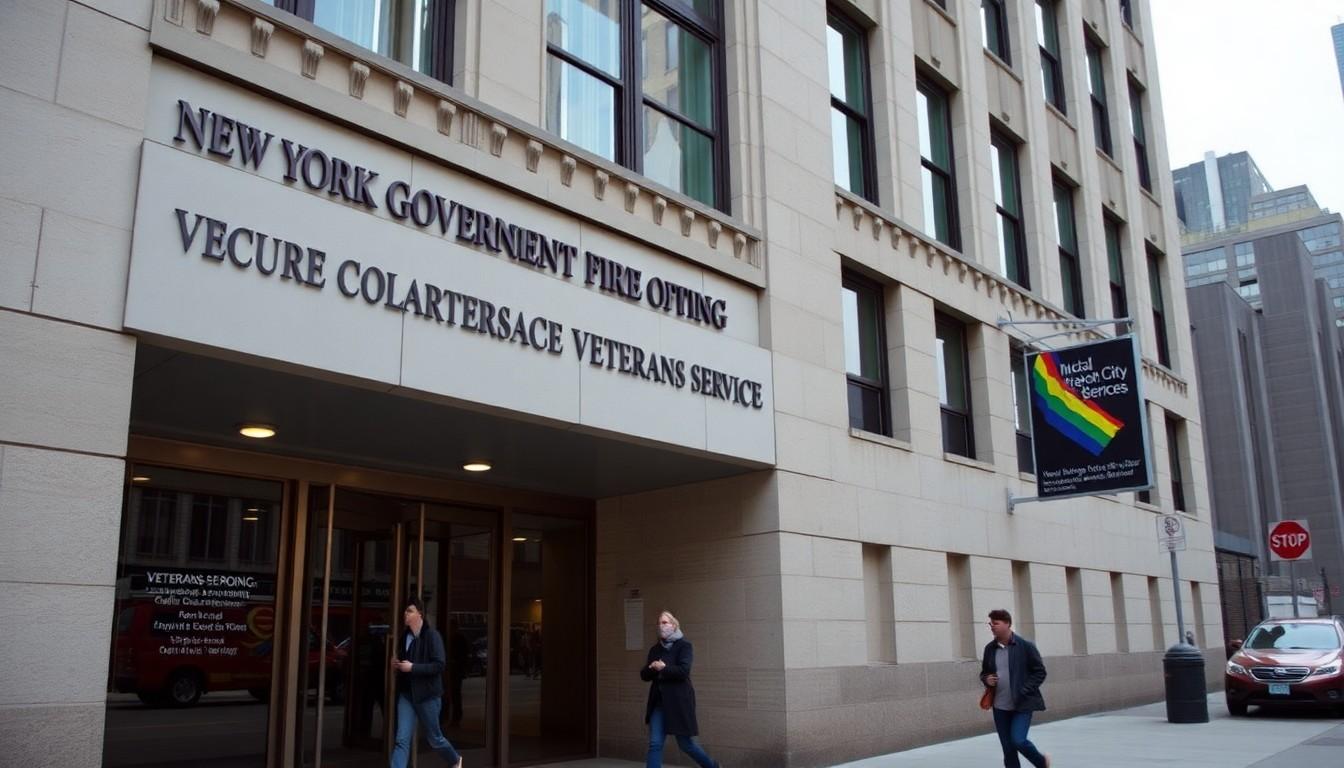
A permanent LGBTQ veterans liaison is at the centre of a New York City Council measure approved on 12 November. The proposal would give former service members a clearer route to help with discharge reviews and other support, while annual reporting would let the city track how that assistance is working. Here’s what the role could do, and what veterans should know about seeking a discharge upgrade.
Essential Takeaways
- A dedicated role: Introduction 928-A proposes an LGBTQ+ liaison in the city’s Department of Veterans’ Services.
- Practical support: The liaison would conduct outreach, connect veterans with services and coordinate help with discharge upgrades and record corrections.
- Upgrades aren’t automatic: The US Department of Veterans Affairs says eligibility and outcomes depend on individual circumstances and the relevant review process.
- Annual reporting: The proposed role includes reporting on veterans assisted, complaints and barriers to access.
- Part of a wider package: The measure was considered alongside proposals on disabled veterans’ property tax and veteran access to Mitchell-Lama housing.
A permanent contact could make a complicated process easier to navigate
For veterans trying to untangle a discharge record, a named point of contact can matter. New York City Council’s official legislation page says Introduction 928-A would establish an LGBTQ+ liaison in the Department of Veterans’ Services, with a continuing role rather than a one-off initiative. The Council’s meeting record lists the measure among the business considered on 12 November.
The proposed liaison would reach out to LGBTQ+ veterans, help coordinate assistance with discharge-characterisation upgrades and connect people with relevant government programmes and support services. The bill also provides for annual reporting on veterans assisted, complaints and barriers to access.
That makes the measure about more than a title on an organisation chart. A regular contact could help veterans work out which organisation handles each part of the process, without suggesting that the city itself can grant a federal discharge upgrade.
What veterans can do about an unfavourable discharge
The US Department of Veterans Affairs says former service members who believe their discharge characterisation is wrong can apply for an upgrade or correction. Its guidance identifies sexual orientation, including discharges connected to Don’t Ask, Don’t Tell, as a circumstance that may support an application.
But there’s no automatic fix. Veterans need to follow the relevant review process, and the result depends on the details of each case. The VA also distinguishes a military record correction from a separate VA review of whether someone qualifies for benefits.
That distinction is worth keeping in mind: a VA character-of-discharge determination may allow someone to qualify for some benefits without changing the original military record. New York City’s Department of Veterans’ Services lists discharge-upgrade assistance and referrals among its services for LGBTQ+ veterans, giving people a place to start as they work out their next step.
Why Don’t Ask, Don’t Tell still matters
The US Department of Defense says Don’t Ask, Don’t Tell operated from 28 February 1994 until its repeal on 20 September 2011, restricting gay, lesbian and bisexual service members from serving openly. Some veterans left service with less-than-honourable discharges that could affect access to benefits.
Those records don’t change simply because the policy has ended. The Department of Defense describes record reviews as a route for qualifying cases, while VA guidance makes clear that benefit eligibility and a military discharge upgrade are separate questions.
The result is an administrative maze with more than one door. A local liaison can’t decide a federal case, but, as the city’s service information indicates, referrals can help veterans find the organisations equipped to handle different parts of it.
One LGBTQ+ veterans measure in a wider city package
Introduction 928-A was presented as part of a Veterans Day legislative package alongside two other proposals. The New York City Council’s press release described a property-tax exemption proposal for qualifying permanently and totally disabled veterans, and annual reporting on veteran preferences in Mitchell-Lama housing.
The trio addresses different pressures, from housing and tax matters to access to support. The common thread is practical: making it easier for veterans to identify what assistance may be available and how to pursue it.
For LGBTQ+ veterans, the liaison proposal would add an identifiable contact and a reporting requirement. That accountability element matters too: it could give the Council a clearer picture of who is being reached and where people are still running into barriers.
A named contact can’t erase an unfair record, but it may make finding the right help less daunting.
Source Reference Map
Story idea inspired by: [1]
Sources by paragraph: