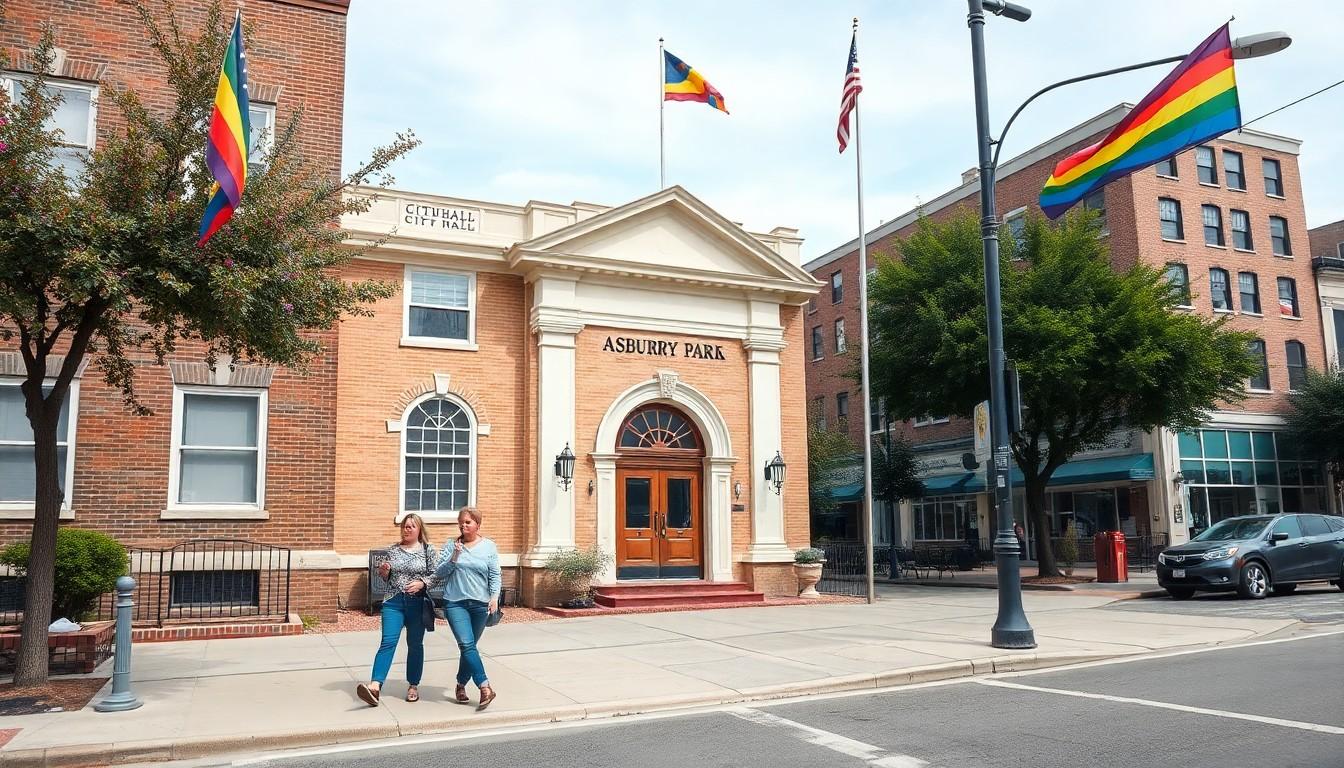
Asbury Park has elected Amy Quinn as its first openly lesbian mayor, bringing a local story of civic action, visibility and community into the spotlight. From a chance encounter with geese to a legal career and years of public service, Quinn’s path shows how small first steps can lead to city leadership - and why she wants more women to take theirs.
Essential Takeaways
- A historic result: New Jersey Globe reported that Quinn won Asbury Park’s mayoral race, defeating Dan Sciannameo.
- An unexpected start: Quinn’s first step into civic work followed her objection to geese being killed for population control.
- Visibility matters: Films and prominent women in public life helped her imagine possibilities for herself.
- She wants broader participation: Quinn is encouraging women and other under-represented voices to join local boards and decision-making.
- Affordability is a priority: She has raised concerns about property taxes, local retail, waterfront development and affordable housing.
A jog, a flock of geese and a first step
The route to city leadership began with a scene that stopped Quinn in her tracks: geese being loaded into a truck. After learning the birds had been killed as a population-control measure, she contacted state authorities and became involved in efforts to find a more humane solution. A neighbour then encouraged her to join a local committee - an early act of civic engagement that grew into a public career.
The interview with Out In Jersey offers more detail on that beginning. Quinn recalls the incident leading to work with the city’s Environmental and Shade Tree Commission, and says community involvement eventually drew her to council meetings and, later, elected office. Sometimes a town’s next political leader starts with little more than noticing something that doesn’t sit right.
Why seeing women in leadership matters
Quinn now wants other women to take their own first steps into public life. She has said it can take time to persuade women to join boards, even when they’re highly qualified, and argues that seeing people like yourself in leadership can make a role feel possible. Her encouragement is practical as well as personal: civic work can begin with a committee, commission or board.
Her own sense of possibility grew through representation in film and public life. The original profile describes how Bound, The Silence of the Lambs and Hillary Clinton’s presidential campaign helped Quinn imagine paths she hadn’t previously considered. The City of Asbury Park’s official profile also records her service on the Environmental and Shade Tree Commission and the Asbury Park TV Cable Advisory Committee - a reminder that public leadership is often built well before an election campaign.
A historic win, with a wider view of the city
The New Jersey Globe reported that Quinn defeated Planning Board member Dan Sciannameo in the mayoral race and was set to succeed retiring Mayor John Moor. The result makes her Asbury Park’s first openly lesbian mayor, while also placing a spotlight on the city’s continuing story of LGBTQ+ visibility and advocacy.
Quinn has described being a woman in politics as a particular challenge, including being talked over or finding herself the only woman in a room. She argues that decision-making suffers when too few perspectives are present. The City of Asbury Park’s profile also documents her work connecting resilience-design teams with local stakeholders after Hurricanes Irene and Sandy, illustrating how municipal work reaches beyond election day and into long-term planning.
Asbury Park’s LGBTQ+ history runs deep
The city’s connection to LGBTQ+ life is part of what drew Quinn there. Asbury Park’s history includes an attempted same-sex wedding at City Hall in 2004: local report The Coaster recounts how Deputy Mayor James Bruno officiated a ceremony, while clerk Kiki Tomek processed same-sex marriage licence applications. The state intervened, and the marriage and licence were invalidated.
Years later, Quinn and her wife, Heather Jensen, were among the first couples to marry legally in New Jersey, in a midnight ceremony on the Asbury Park boardwalk. The city’s official profile records their wedding at midnight on 21 October 2013. Its setting is part of the place’s appeal: the New Jersey Department of Community Affairs identifies Convention Hall’s architects as Warren and Wetmore, the same firm behind Grand Central Terminal.
The next local question: who gets to shape Asbury Park?
Quinn has said affordability was the concern she heard most while meeting residents and knocking on doors. In Asbury Park, she has linked that issue to property taxes and school funding, while stressing that she can’t control the school budget. Her priorities include avoiding further pressure from city-imposed taxes, supporting retail development on Springwood Avenue, shaping waterfront development around residents’ values and creating more affordable housing.
That work depends on who takes part in planning. The city’s official profile documents Quinn’s committee service, while her interview with Out In Jersey suggests a simple starting point for people curious about local government: attend a meeting or join a committee, commission or board. For anyone waiting to feel completely ready, that may be the most useful message of all.
As Quinn’s story suggests, a first step can change the shape of a whole community.
Source Reference Map
Story idea inspired by: [1]
Sources by paragraph: