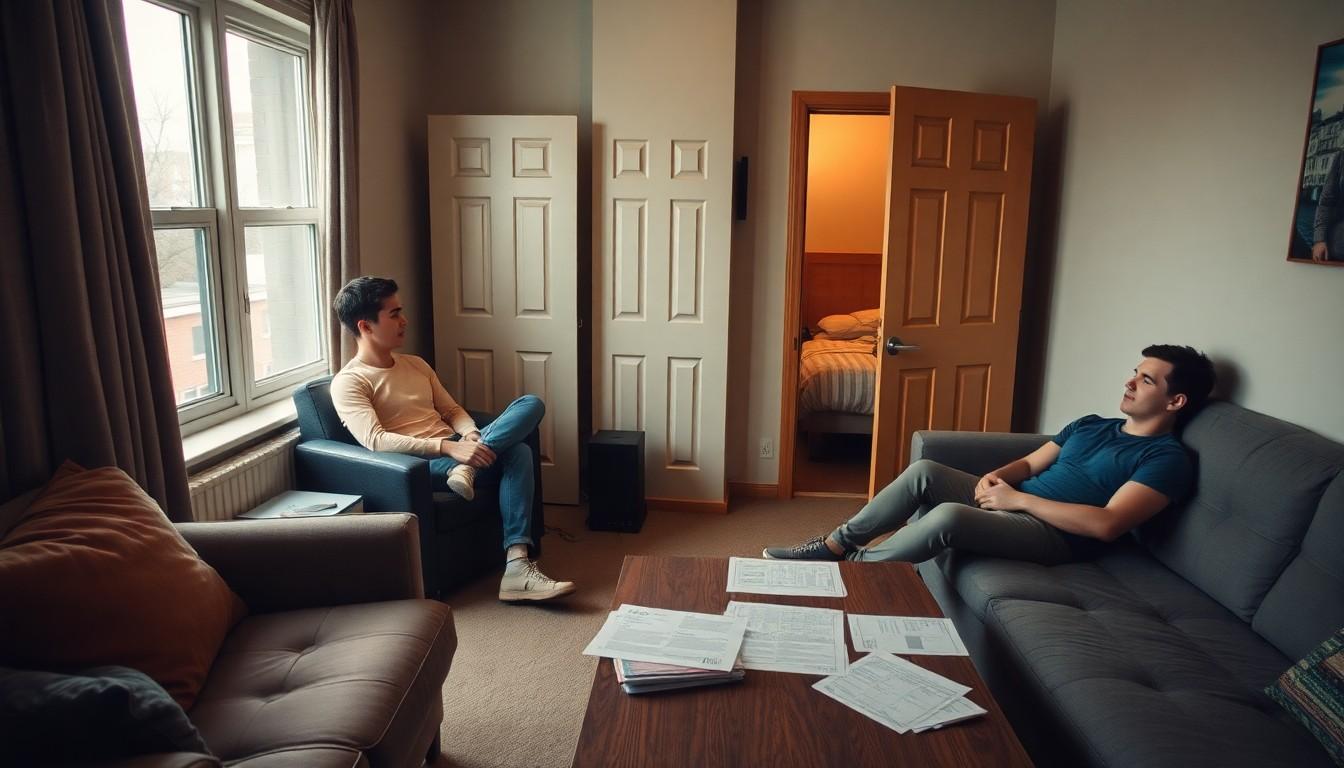
A new survey suggests young gay men are an exception to the wider drop in partnered sex among Gen Z adults in the United States. But desire alone doesn’t create opportunity: housing costs, limited privacy and the price of a night out can all shape how young people connect.
Essential Takeaways
- A notable exception: In the 2026 Gen Z Sex Survey, 35 per cent of gay men said they’d had ten or more sexual partners in their lifetime, more than any other group surveyed.
- Desire and opportunity differ: Researcher Rhonda Balzarini says financial strain and living with parents can make it harder to act on sexual interest.
- The survey needs context: The Indiana University report describes a sample of 2,373 US adults aged 18 to 29 and cautions against treating the results as a simple story of decline.
- Community creates routes to connection: LGBTQ social circles and digital platforms can help people meet, while San Francisco’s proposed Sanctum Baths is still a future project, not an open venue.
Why young gay men stand out
The wider picture in the 2026 Gen Z Sex Survey is one of fewer young adults having sex, but young gay men appear to buck that trend. The Bay Area Reporter, which covered the findings, says 35 per cent reported ten or more lifetime sexual partners, the highest share of any group in the survey.
That finding sits alongside broader signs of change: the Bay Area Reporter reports that around one in five respondents had never had sex, and a quarter hadn’t been sexually active in the past year. It’s a reminder that a headline about a “sex recession” can hide quite different experiences within the same age group.
The survey offers a snapshot, not a simple verdict
The survey involved 2,373 adults aged 18 to 29 in the United States. Indiana University’s Kinsey Institute describes the results as a complicated picture, rather than proof that young adults are simply less interested in sex.
Playboy’s comparison with its 1983 survey points to a striking difference in reported sexual experience, including a much larger share of young respondents saying they’d never had sex. But the older questionnaire drew responses from Playboy readers of many ages and wasn’t representative, while the two surveys differed in their methods. So the comparison is best treated as historical context, not a like-for-like measure.
Wanting sex isn’t the same as having the chance
For some young adults, the obstacle may be less about desire than circumstances. The Bay Area Reporter says Balzarini points to housing costs and the number of respondents living with their parents as factors that can limit privacy and make it harder to bring someone home.
A separate Kinsey Institute report makes the distinction clear: desire was similar among respondents living with their parents and those living elsewhere, while privacy and practical opportunities could differ. Fast Company also reports that money-related anxiety and the cost of dating were barriers for some respondents. In other words, a busy mind and a crowded household can complicate a private life.
Social spaces matter, online and off
Balzarini also links the decline in sexual activity with fewer “third places”, the spaces outside home and work where people might meet. And when a night out feels expensive, even a welcoming bar or club may be harder to reach.
LGBTQ communities and digital platforms offer other ways to find connection, the Bay Area Reporter notes. In the Bay Area, it mentions Berkeley’s Steamworks and San Francisco’s Eros; the proposed Sanctum Baths, meanwhile, has received planning approval but is not yet open. Axios reports on that approval, an important milestone for a planned gathering place, but not the same thing as a finished venue.
What the findings say about intimacy
The survey and its coverage point to several possible influences, from living arrangements to financial pressure and changing social habits. None of the reports establishes that any one factor causes the wider decline, and the Kinsey Institute stresses that the overall picture needs careful interpretation.
Still, the gap between wanting intimacy and being able to pursue it is worth noticing. For young people, having somewhere to go, enough privacy and the money to get there can matter just as much as desire.
A fuller picture of Gen Z sex lives starts with the conditions around intimacy, not just the numbers.
Source Reference Map
Story idea inspired by: [1]
Sources by paragraph: