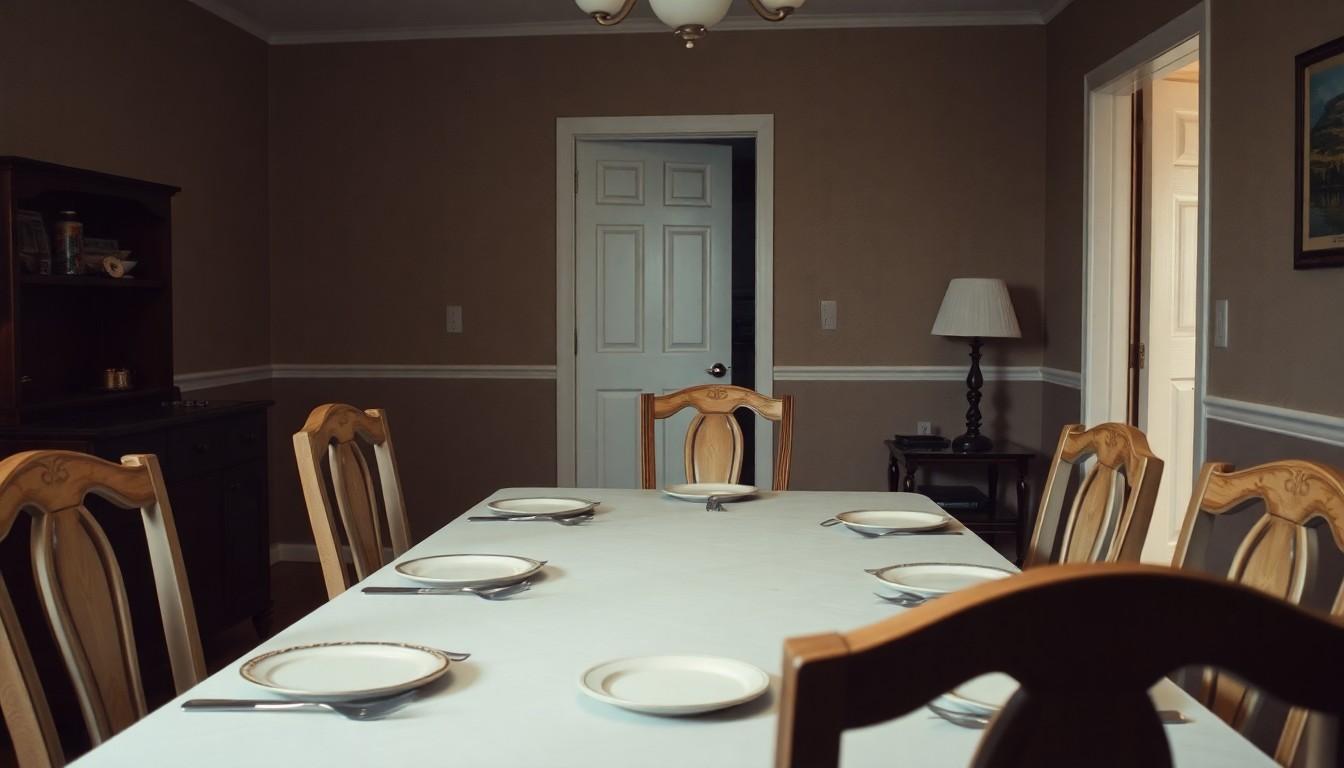
Siblings can be a lifeline when an LGBTQ person comes out, but religious and family pressures can also turn a close bond into a source of pain. Research offers a picture of both realities: many LGBTQ adults report accepting siblings, while studies of young people link sibling rejection with poorer wellbeing. Here’s what the evidence says, and why no one should feel obliged to repair a harmful relationship.
Siblings can offer support when it matters most
For LGBTQ people, a sibling may be the first family member they trust with a deeply personal truth. That first conversation can feel like a door opening, or one closing.
The Trevor Project’s 2022 survey found that 54% of LGBTQ young people who were out about their sexual orientation reported support from a sibling, compared with 48% who reported support from a parent or caregiver. The figures don’t mean every sibling is accepting, but they show how important siblings can be as sources of affirmation.
More recent figures from Pew Research Center offer a broader view of adult experiences in the United States. Among LGBTQ adults with at least one sibling, 69% said all the siblings who knew about their identity had been accepting. The finding is encouraging, though it concerns siblings who know, not necessarily everyone in a family.
Acceptance can be complicated by family beliefs
In some families, religious beliefs shape how siblings respond to an LGBTQ relative. A sibling may care deeply and still struggle with teachings that frame being LGBTQ as wrong, or acceptance as something conditional.
Research with transgender young people suggests that sibling relationships are worth considering in their own right. One study found that lower sibling acceptance was associated with increased suicidal ideation among transgender youth in its sample. That’s an association, not proof that rejection alone causes suicidal thoughts, and the result shouldn’t be treated as a prediction for every person.
A separate study of transgender and nonbinary young adults looked at sibling and parental responses alongside mental-health outcomes. Its findings add to the case for paying attention to sibling dynamics as well as parents’ attitudes, while also reminding us that family rejection and wellbeing are complex subjects.
Estrangement is rarely just one relationship
When siblings stop speaking, the divide may reflect more than a disagreement between two people. A qualitative study of 39 adults estranged from a sibling found that participants described family beliefs, identity-related rejection and wider family conflict as part of how relationships broke down.
That research offers detailed accounts, not a measure of how common each cause is across all families. Still, it helps explain why sibling estrangement can be tangled up with loyalties, parental attitudes and pressure to hide parts of a person’s life.
And even when someone understands where rejection came from, that doesn’t make its effects disappear. The numbers can show patterns across groups, but they can’t capture every private grief or tell someone what they should do next.
Repair should be a choice, not an obligation
For anyone hoping to improve a strained relationship, listening without conditions is a useful place to begin. That means respecting a sibling’s identity and relationships, rather than expecting them to conceal part of their life to keep family peace.
But reconciliation isn’t always possible, or safe. People who’ve been repeatedly rejected don’t owe anyone continued access to them, and it’s reasonable to set boundaries while deciding what contact, if any, feels manageable.
Chosen family can offer another kind of belonging
A qualitative study of 68 estranged adults explored how some people build a sense of family beyond their family of origin. Participants described finding support through friendships, other relatives and relationships with people outside their original family network.
That doesn’t mean chosen family erases the hurt of rejection, or that everyone finds support in the same way. It does show that meaningful connection can take different forms, and that belonging doesn’t have to depend on a sibling changing their mind.
A supportive sibling can matter enormously, but so can the freedom to step back and seek care elsewhere.
Source Reference Map
Story idea inspired by: [1]
Sources by paragraph: