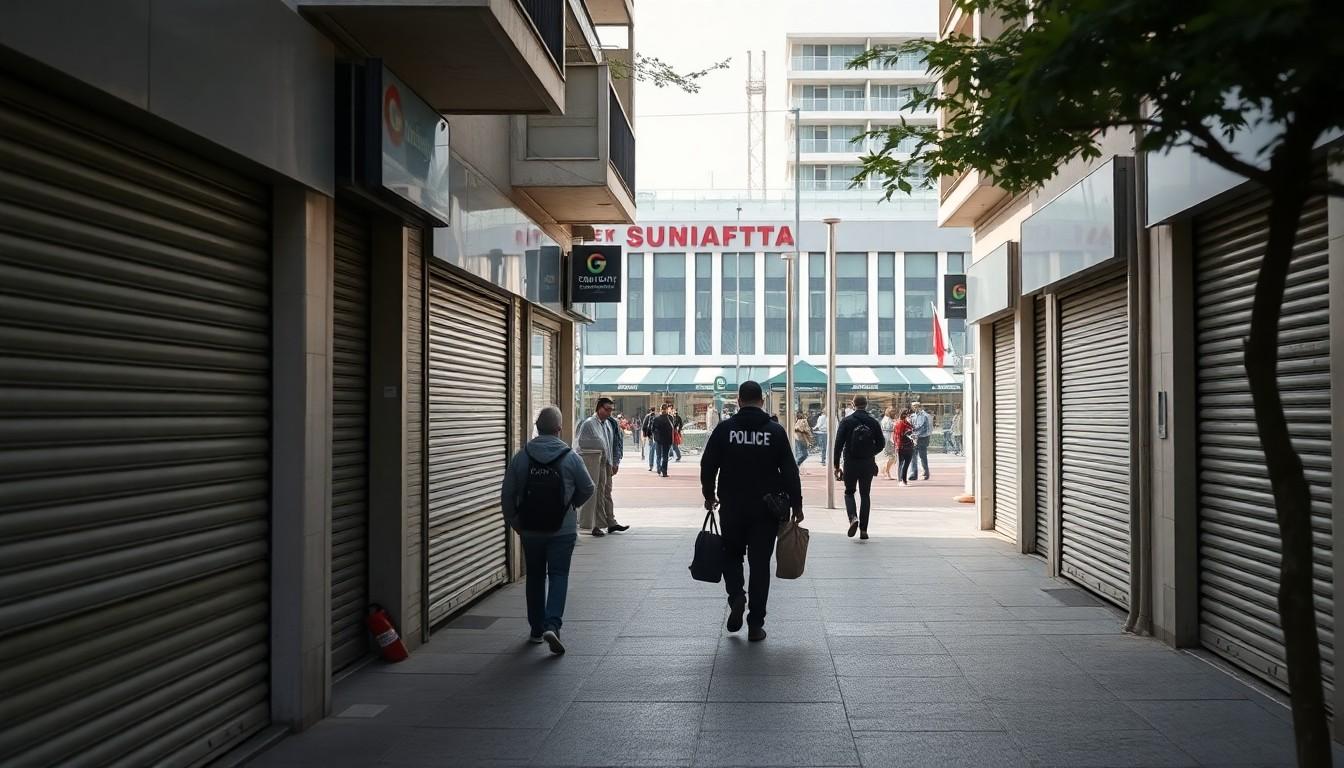
A global climate summit is unfolding in Antalya while LGBTQ people and organisations in Türkiye face a widening crackdown. COP31 runs from 9 to 20 November, but arrests, raids and the sealing of an advocacy group’s office have raised questions about who can safely organise and speak out around the conference.
Essential Takeaways
- COP31’s setting: The UN climate conference is taking place in Antalya from 9 to 20 November.
- September raids: Human Rights Watch reported that police operations targeted LGBTQ-rights groups and HIV-support organisations across several cities.
- Detentions continue: An advocacy groups’ briefing said 67 people arrested in the September operation, including 14 LGBTQ activists, remained in pre-trial custody as of 13 November.
- A community office sealed: Police sealed Lambda Istanbul’s premises on 11 November; the association disputes the allegation that it was operating an unauthorised venue.
- A summit under scrutiny: Concerns have been raised about restrictions on LGBTQ-related expression and a “public morality” pledge for some Green Zone participants.
COP31 opens against a troubling backdrop
A climate summit is meant to bring people together around a shared global challenge. In Antalya, though, COP31 is taking place as LGBTQ activists and organisations face arrests, police operations and restrictions on their work.
The UNFCCC lists the conference dates as 9 to 20 November and its venue as the Antalya EXPO Center. The city’s conference role is clear; the rights concerns unfolding around the summit are harder to set aside.
According to the Washington Blade, the latest wave of operations began on 12 September under the government campaign named “My Family Is Safe”. Human Rights Watch says the raids targeted LGBTQ-rights groups and organisations supporting people living with HIV, alongside bars and nightclubs.
From raids to continuing detentions
The pressure did not end with the September operations. The Washington Blade reported that advocacy groups said 67 people arrested in the raids, including 14 LGBTQ activists, remained in pre-trial custody as of 13 November.
Human Rights Watch’s earlier account gave a wider snapshot at the time of publication: it said at least 112 people had been arrested and 82 remained detained under court orders. Those figures refer to different reporting points, so they show how the picture was described at the time rather than a single final count.
The targeting has also extended to transgender women. The Washington Blade reported detentions in September, October and November, with some people later arrested. ILGA-Europe’s timeline likewise records an operation across seven cities on 23 October, in which 45 people were taken into custody, mostly transgender women.
Lambda Istanbul’s sealed office raises the stakes
On 11 November, police sealed Lambda Istanbul’s premises. Bianet reported that the Istanbul Governor’s Office alleged the association was operating an unauthorised venue, while Lambda Istanbul described its office as a community space for meetings, volunteer work and solidarity.
That distinction matters. A group’s office can be more than a place to keep paperwork; it can be where people find connection and organise together. Bianet places the latest sealing in the context of Lambda Istanbul’s long history, which includes involvement in Istanbul’s first Pride March in 2003 and formal association status in 2006.
The restrictions are not confined to one building. ILGA-Europe’s timeline describes websites and social-media accounts belonging to LGBTQ organisations being blocked, while Human Rights Watch says members of targeted associations could face separate proceedings aimed at closing their groups.
What does a climate summit allow people to say?
The concerns reach into the conference itself. The Washington Blade reported that some COP31 Green Zone participants were asked to promise their presentations would comply with “public morality”. A Turkish lawyer cited by the outlet warned that the term could leave uncertainty around discussion of gender equality and LGBTQ rights.
Meanwhile, LGBTQ activists joined the People’s Climate March in Antalya on 14 November, despite reported efforts to prevent rainbow flags and LGBTQ-related content. That puts the tension in sharp focus: climate participation is not only about attending a venue, but also about who gets to be visible and what they can safely express.
Amnesty International has called for charges against human-rights defenders to be dropped and detainees to be released. The Washington Blade also reported criticism of the crackdown from the UN High Commissioner for Human Rights. These are calls and concerns, not a ruling on the allegations against individuals or organisations.
The wider meaning of visibility
The story around COP31 is not simply one of two events happening at the same time. The conference has brought international attention to Antalya, while the reported raids and restrictions raise questions about the space available to LGBTQ people and advocates in Türkiye.
That context matters for visitors and delegates, too. The UNFCCC’s participant information page provides practical guidance on transport, accommodation and accessibility, but it does not address the rights concerns described in the news coverage. Practical planning can help with the journey; it cannot answer the larger questions about safety, expression and civic space.
For many people, a march or a community office may look like a small part of a much larger public debate. But those spaces can be where solidarity becomes something people can actually practise.
COP31’s climate agenda may be global, but the human-rights questions surrounding it are firmly rooted in Antalya.
Source Reference Map
Story idea inspired by: [1]
Sources by paragraph: