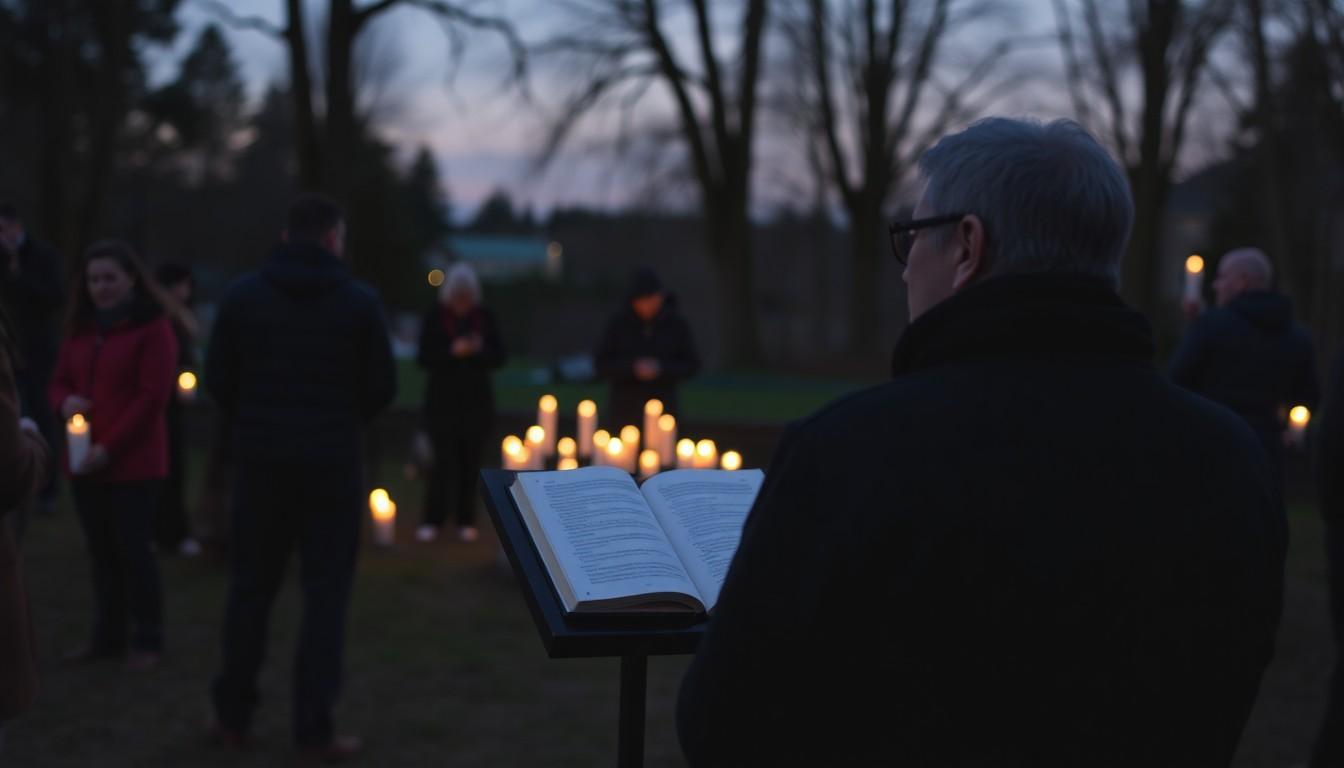
As Transgender Awareness Week leads into Transgender Day of Remembrance on 20 November, a candlelight vigil in Stanwood, Washington, will bring people together to honour lives lost to anti-transgender violence. The annual observance is also a chance to learn, show solidarity and find a meaningful way to remember, whether you attend a local gathering or mark the day at home.
Essential takeaways
- Awareness Week: It runs from 13 to 19 November, before Transgender Day of Remembrance on 20 November.
- Stanwood gathering: AWN and PFLAG Stanwood-Camano are hosting a candlelight vigil at 6 p.m. on 20 November.
- A shared act of remembrance: The vigil includes reading the names of those lost, followed by refreshments, conversation and community.
- There are other ways to take part: You can look for a nearby vigil, learn from credible resources or privately light a candle.
A candlelit gathering makes room for remembrance
A candle, a moment of quiet and the reading of names: the Stanwood vigil offers a public way to remember transgender people lost to anti-transgender violence. AWN and PFLAG Stanwood-Camano are hosting the gathering at 6 p.m. on 20 November in Stanwood, Washington.
According to the event listing on HappeningNext, the vigil is planned for the patio beside Stanwood Tattoo Company, with refreshments, conversation and support afterwards. If you're planning to go, check with the organisers before setting out in case details have changed.
What Transgender Day of Remembrance means
Transgender Awareness Week runs from 13 to 19 November, leading into the annual remembrance day on 20 November. GLAAD describes the week as an opportunity for transgender people and allies to share experiences, educate others and advocate on issues including prejudice, discrimination and violence.
The remembrance day began in 1999, when transgender advocate Gwendolyn Ann Smith organised a vigil for Rita Hester, a transgender woman killed in 1998. GLAAD says the observance has since grown into an international tradition centred on honouring people whose lives were lost to anti-transgender violence.
Reading names keeps lives in focus
Vigils often include reading the names of those who have died. GLAAD notes that local advocates and LGBTQ organisations commonly host these gatherings, making remembrance visible and shared rather than leaving people to grieve alone.
The Stanwood organisers say they will also support people still fighting to survive and speak out against violence. San Mateo County's remembrance information similarly links public ceremonies and name-reading with the wider purpose of drawing attention to continuing violence against transgender people.
Can't attend? There are thoughtful ways to take part
Not everyone can make it to an in-person event, and that doesn't rule out marking the day. You might look for a local vigil, learn more about transgender experiences and the history of the observance, or light a candle privately. GLAAD encourages people to use credible educational resources and take steps towards becoming better allies.
The Trans Remembrance Project offers a virtual event and memorial stories, as well as support information for people affected by grief. A quiet act can still feel significant; remembrance doesn't have to be loud to be sincere.
Remembering is part of speaking out
Transgender Day of Remembrance is a day for mourning, but the sources also emphasise public awareness and action. The City of Boston describes the observance as a time for remembrance, reflection and action, while GLAAD encourages people to learn about violence affecting transgender people and support efforts to address it.
That combination matters: honouring lives lost and standing alongside people still facing harm belong in the same conversation. Whether you join the Stanwood vigil or mark the day another way, the point is to make space for both.
A candle, a name remembered and a moment of solidarity can all be ways to mark the day.
Source Reference Map
Story idea inspired by: [1]
Sources by paragraph: