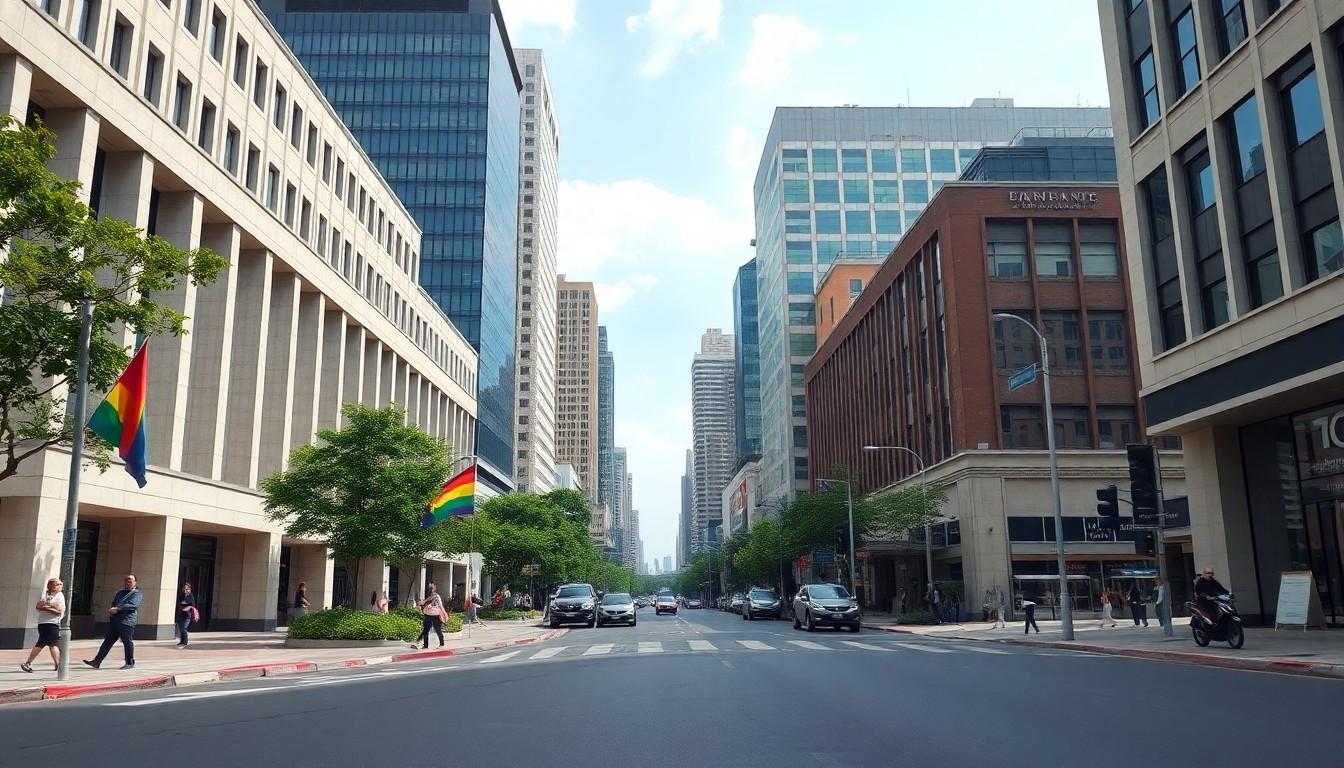
Thailand’s Senate is urging stronger LGBTQIA+ protections as Bangkok pursues its WorldPride 2030 bid. Its Pink Economy report argues that the opportunity is about more than a high-profile event: it calls for practical change in workplaces, healthcare and public services, so greater economic participation goes hand in hand with equality.
Essential Takeaways
- A broad review: The Senate working group examined 15 industries connected with LGBTQIA+ communities, from television and publishing to beauty services and gender-affirming healthcare.
- Rights as a foundation: The report links discrimination with economic costs, including lost productivity, mental-health impacts and insecure employment.
- Four proposed pilot cities: Bangkok, Pattaya, Phuket and Chiang Mai are identified for possible Pink Economy initiatives.
- Everyday equality matters: Recommendations cover legal gender recognition, healthcare, fair working conditions and access to loans, property and public services.
- A longer view of success: The report says lasting protections and safer cities matter more than event attendance alone.
Thailand’s WorldPride bid is about more than a parade
A WorldPride bid can bring attention, but the Thai Senate report asks what happens after the crowds go home. Its central point is that Thailand’s growing Pink Economy should be built on equal rights and inclusion, not just on the commercial opportunities associated with LGBTQIA+ communities.
The working group examined 15 related industries, including television, publishing, beauty services and gender-affirming healthcare. As The Scotsman reported, the report argues that people’s rights should not be treated as a price of economic growth. That’s a welcome distinction: an inclusive economy is about people being safe and recognised in everyday life, not simply counted as consumers or workers.
The case for inclusion starts with daily life
The report draws on research linking discrimination and stigma with lost productivity, poorer mental health and employment insecurity. The World Bank’s Thailand research provides wider context, documenting exclusion affecting employment, education, healthcare, housing and access to legal protection. It also reports especially frequent and severe exclusion among transgender respondents.
That makes the policy question tangible. If people face barriers at work or when seeking healthcare, the effects reach well beyond a single workplace or appointment. The Senate report’s argument is that stronger rights can build trust and participation, while the World Bank’s findings underline why legal protections and practical access to services matter.
Four cities could help turn proposals into practice
The Senate report recommends bringing Pink Economy policies into Thailand’s next national development plan, with Bangkok, Pattaya, Phuket and Chiang Mai proposed as possible pilot cities. Its recommendations include legal gender recognition and gender-neutral nationality rules for Thai-foreign couples.
It also argues that marriage equality should translate into practical access to loans, property ownership and public services. Healthcare is another focus: the report calls for gender-affirming care to be available to Thai citizens as well as international visitors. These proposals make the bid’s rights language more concrete, though they remain recommendations rather than evidence that the changes have already been made.
Fair work matters across creative industries
The report looks beyond formal legal rights to the conditions faced by LGBTQIA+ people working in entertainment, beauty and creative fields. It calls for fair contracts, appropriate pay and social security protections for workers such as drag performers, writers, make-up artists and film crews.
For creators in Boys’ Love and Girls’ Love genres, it also recommends stronger intellectual property protections and opportunities for ongoing royalties. The point is straightforward: visibility can open doors, but fair terms help people benefit from the work they create.
Bangkok wants the bid to leave a lasting legacy
Bangkok Pride’s candidate-city campaign presents its WorldPride bid as a rights-based initiative, with proposed plans including a human-rights forum and Bangkok Action 2030, a roadmap intended to promote solidarity and structural change. Separately, Thailand’s Government Public Relations Department reports that the Thailand Convention and Exhibition Bureau has begun coordinating bid preparations with public, private and LGBTQIA+ partners.
The Senate report also proposes voluntary certification for businesses promoting themselves as LGBTQIA+-friendly, with outside oversight to guard against “rainbow washing”. In other words, a badge should mean more than colourful marketing. The report’s measure of success is whether Thailand delivers stronger laws, safer cities and better protections, not simply whether a future event draws a crowd.
Closing Line
The bid’s biggest promise may be what it helps change long after WorldPride.
Source Reference Map
Story idea inspired by: [1]
Sources by paragraph: